General information, not legal advice. This answer was written by the PhilippineLaws team from the law it cites and checked for accuracy to the best of our knowledge, last on Sep 21, 2026. It has not been reviewed by a lawyer. Read the cited law yourself, and for your own situation talk to a lawyer or the Public Attorney’s Office (PAO).
My husband or boyfriend doesn't hit me, but he humiliates me, controls our money, cheats, or stopped supporting our child. Is that a VAWC case?
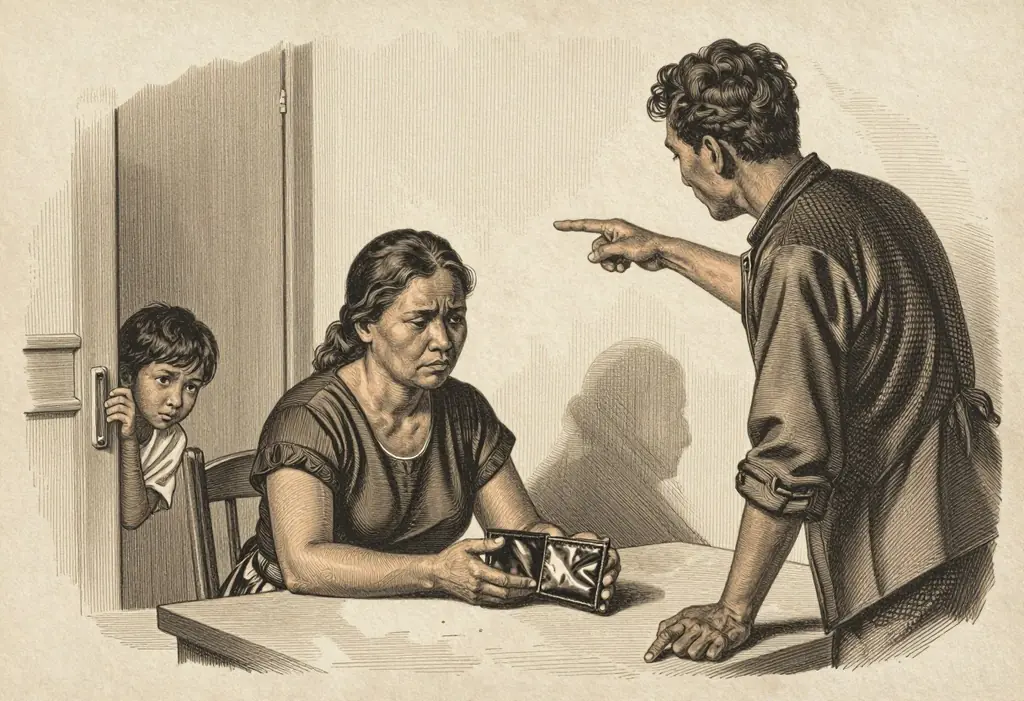
It can be. RA 9262 punishes not only physical and sexual violence but also psychological violence, such as repeated verbal abuse, public humiliation, stalking, and mental infidelity that cause mental or emotional suffering, and economic abuse, such as withdrawing or denying financial support. It protects a wife, former wife, a woman in a present or past dating or sexual relationship, a woman who has a child with the offender, and her children. VAWC is a public crime that does not go through barangay conciliation.
Illustrated Legal Brief
 Full Plate
- Wife or former wife
- Woman in a present or past dating or sexual relationship
- Woman with whom he has a common child
- Her child, legitimate or illegitimate, including children in her care
- Physical: bodily harm, threats, or attempts
- Sexual: forced sexual acts, harassment, treatment as a sex object
- Psychological: humiliation, stalking, repeated verbal abuse, mental infidelity
- Economic: withholding support, controlling her money, blocking her work
VAWC is a public crime (Sec. 25) and is not subject to barangay conciliation (Sec. 33).
Why
Republic Act No. 9262, the Anti-Violence Against Women and Their Children Act of 2004, covers acts committed against a woman who is the offender's wife or former wife, a woman with whom he has or had a sexual or dating relationship, or a woman with whom he has a common child, and against her child, legitimate or illegitimate, whether the abuse happens inside or outside the home. Under Section 3, a 'dating relationship' means living together as husband and wife without marriage, or being romantically involved over time and on a continuing basis; a casual acquaintance is not enough. A single sexual act counts as 'sexual relations'.
Section 3 recognizes four forms of violence. Physical violence causes bodily harm. Sexual violence includes rape, sexual harassment, and treating a woman as a sex object. Psychological violence is any act or omission causing, or likely to cause, mental or emotional suffering, such as intimidation, harassment, stalking, damage to property, public ridicule or humiliation, repeated verbal abuse, and mental infidelity. Economic abuse includes withdrawing financial support, preventing the woman from working or running a business, depriving her of the use of conjugal or common property, destroying household property, and controlling her own money.
Section 5 lists the punishable acts. Besides causing, threatening, or attempting physical harm, they include using force or threats to control what a woman or her child does, which covers depriving or threatening to deprive them of financial support legally due, or deliberately giving the children insufficient support (Section 5(e)); stalking, lingering outside her home, and other conduct that causes her substantial emotional distress (Section 5(h)); and causing mental or emotional anguish, public ridicule, or humiliation, including repeated verbal and emotional abuse and denial of financial support or custody of the children (Section 5(i)). Under Section 6, acts under Sections 5(h) and 5(i) are punished by prision mayor, plus a fine of ₱100,000 to ₱300,000 and mandatory psychological counseling or psychiatric treatment. The penalty is imposed in its maximum period if the act is committed while the woman is pregnant or in the presence of her child.
Section 25 makes VAWC a public offense: any citizen with personal knowledge of the facts can file the complaint, not only the victim. Section 33 bars barangay officials from forcing a victim to compromise, and makes the Katarungang Pambarangay conciliation rules inapplicable, so you do not need a barangay certification to file. Under Section 7, the Regional Trial Court designated as a Family Court hears these cases. Under Section 24, acts under Sections 5(a) to 5(f) prescribe in 20 years, and acts under Sections 5(g) to 5(i) in 10 years. Section 27 says being drunk or on drugs is not a defense, and Section 44 keeps the records confidential.
Criminal prosecution and protection orders can run side by side. A Barangay Protection Order can be issued the same day to stop the abuse, and a Temporary or Permanent Protection Order from the court can grant support, custody, and stay-away orders. An employed victim is also entitled under Section 43 to up to 10 days of paid leave, on top of other leave, extendible when the protection order requires it. To prove psychological violence, your own testimony about the anguish you suffered, backed by messages, witnesses, and, where available, a psychologist's evaluation, helps show the harm the law requires.
People also read
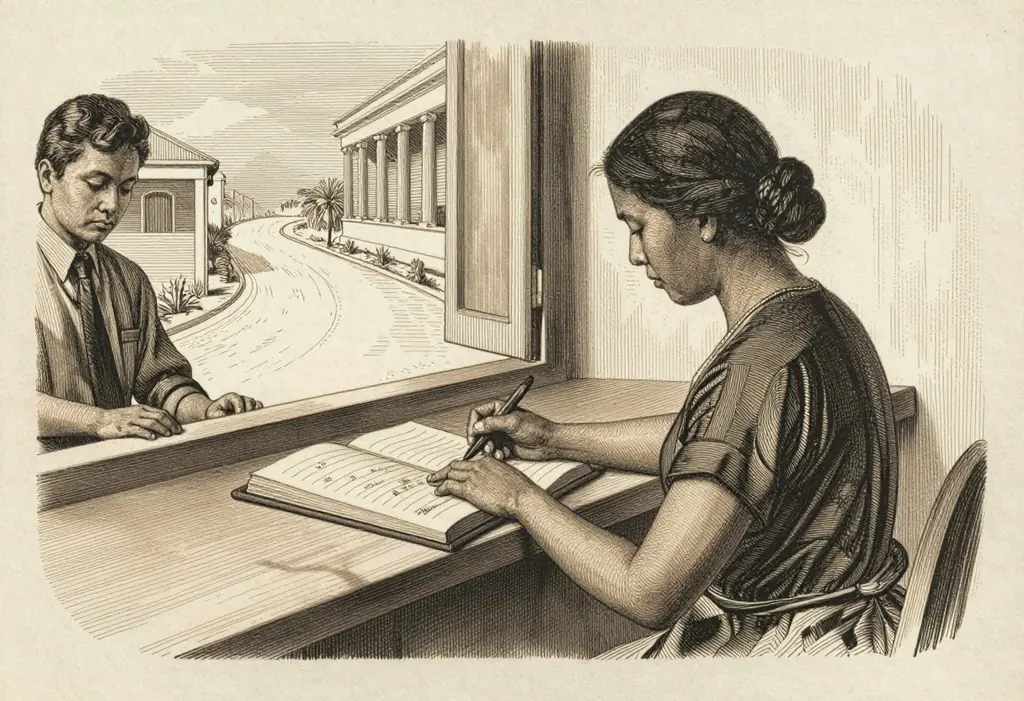
I already had the incident blottered at the barangay or police. Does that mean a case has been filed?
No. A blotter is only a logbook record that you reported an incident; it does not start a case, summon the other person, or stop the deadline for filing. To actually pursue someone, you file a complaint with the Lupong Tagapamayapa for minor disputes between people living in the same city or municipality, or a sworn complaint-affidavit with the prosecutor's office.
Not lawyer-reviewedRead the answer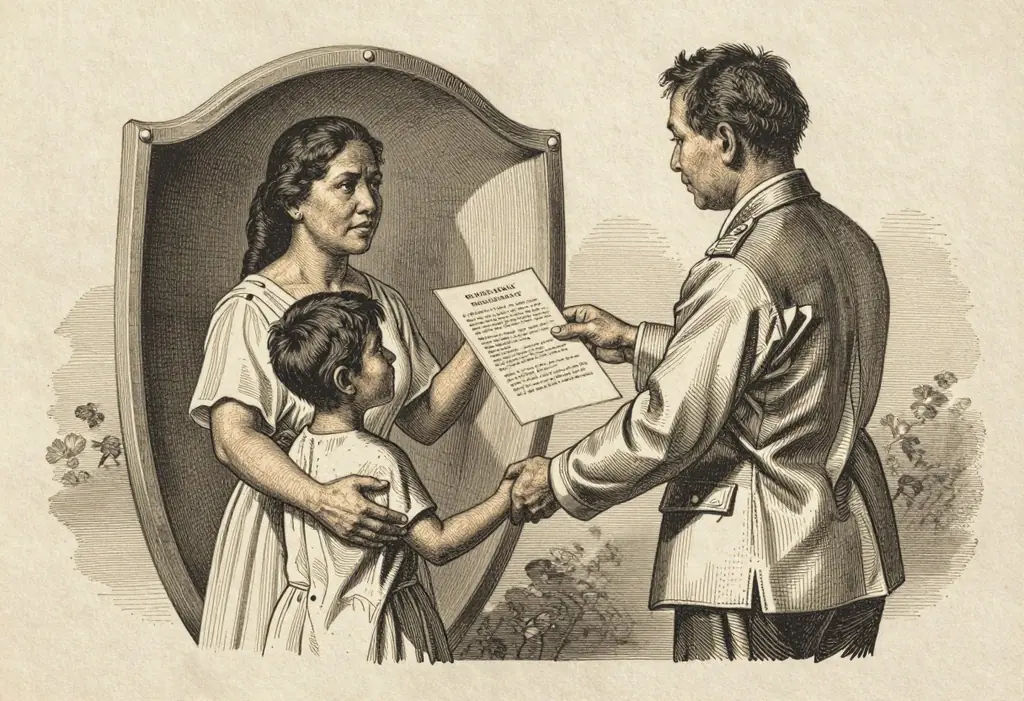
How can a mother get an immediate protection order (BPO, TPO, PPO) against an abusive partner under RA 9262?
A mother facing domestic abuse can obtain an immediate Barangay Protection Order (BPO) valid for 15 days from the Punong Barangay to prohibit violence and harassment. To secure temporary child custody, court-ordered child support, and exclusion of the abuser from the home, she must file for a Temporary Protection Order (TPO) in Family Court, which judges must act upon ex parte within 24 hours.
Not lawyer-reviewedRead the answer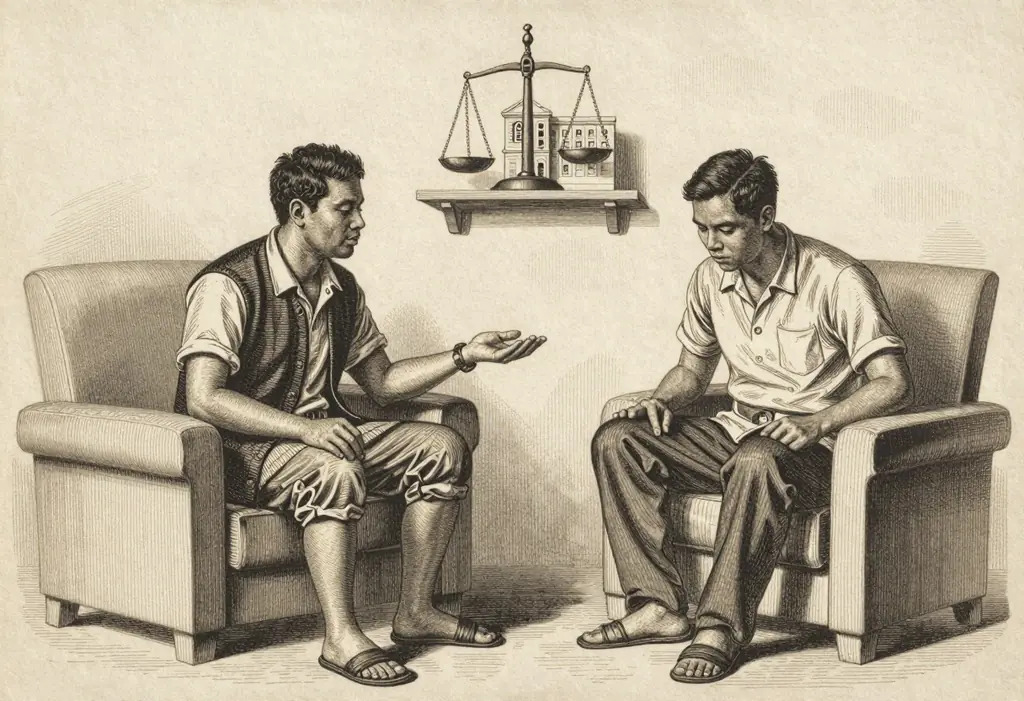
Someone borrowed money from me and won't pay it back. Can I file estafa and have them jailed?
Usually not. Failing to pay a loan is a civil matter, because the Constitution says no one may be imprisoned for debt; estafa applies only when there was deceit at the start, such as a fake identity or invented property used to get the money, or when money handed over in trust for a specific purpose was misappropriated. For an ordinary unpaid utang, the remedy is a written demand, barangay conciliation, and a collection case such as small claims.
Not lawyer-reviewedRead the answer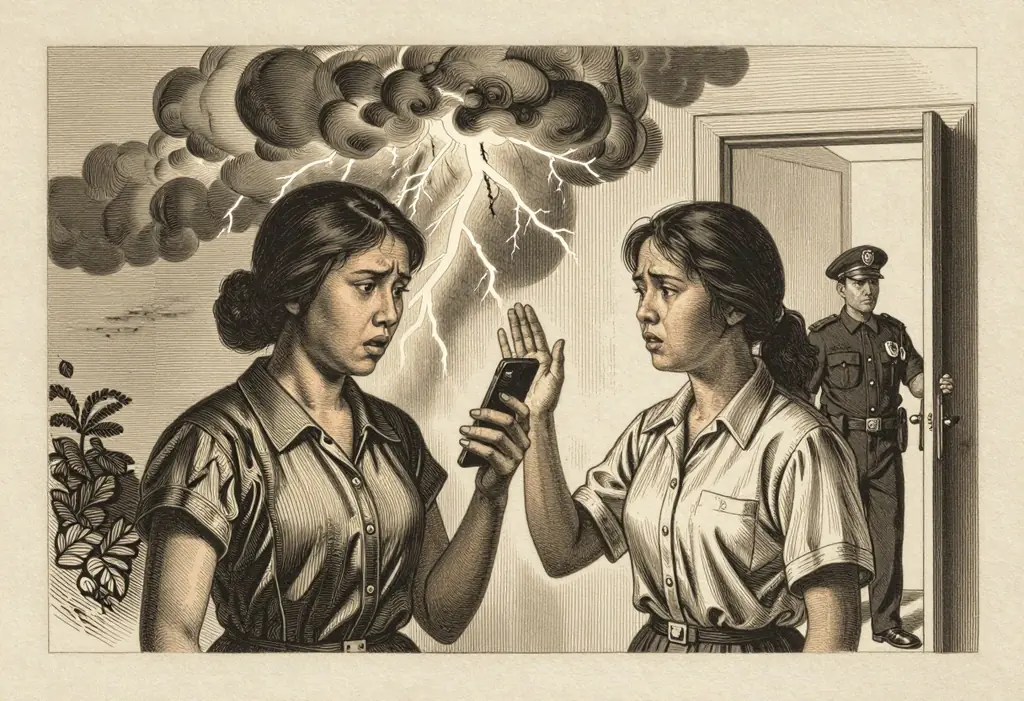
Someone keeps threatening me by text and chat, saying they'll hurt me or my family. Is that a crime, and what can I do?
Yes, it can be. Threatening to inflict on you or your family, or on your property, a wrong that would itself be a crime, such as killing, hurting, or burning, is grave threats under Article 282 of the Revised Penal Code; threats of lesser wrongs are light threats or other light threats. When the threat is sent through text, chat, or social media, the Cybercrime Prevention Act raises the penalty by one degree, so save the messages and report them.
Not lawyer-reviewedRead the answer