General information, not legal advice. This answer was written by the PhilippineLaws team from the law it cites and checked for accuracy to the best of our knowledge, last on Sep 21, 2026. It has not been reviewed by a lawyer. Read the cited law yourself, and for your own situation talk to a lawyer or the Public Attorney’s Office (PAO).
Someone borrowed money from me and won't pay it back. Can I file estafa and have them jailed?
Usually not. Failing to pay a loan is a civil matter, because the Constitution says no one may be imprisoned for debt; estafa applies only when there was deceit at the start, such as a fake identity or invented property used to get the money, or when money handed over in trust for a specific purpose was misappropriated. For an ordinary unpaid utang, the remedy is a written demand, barangay conciliation, and a collection case such as small claims.
Illustrated Legal Brief
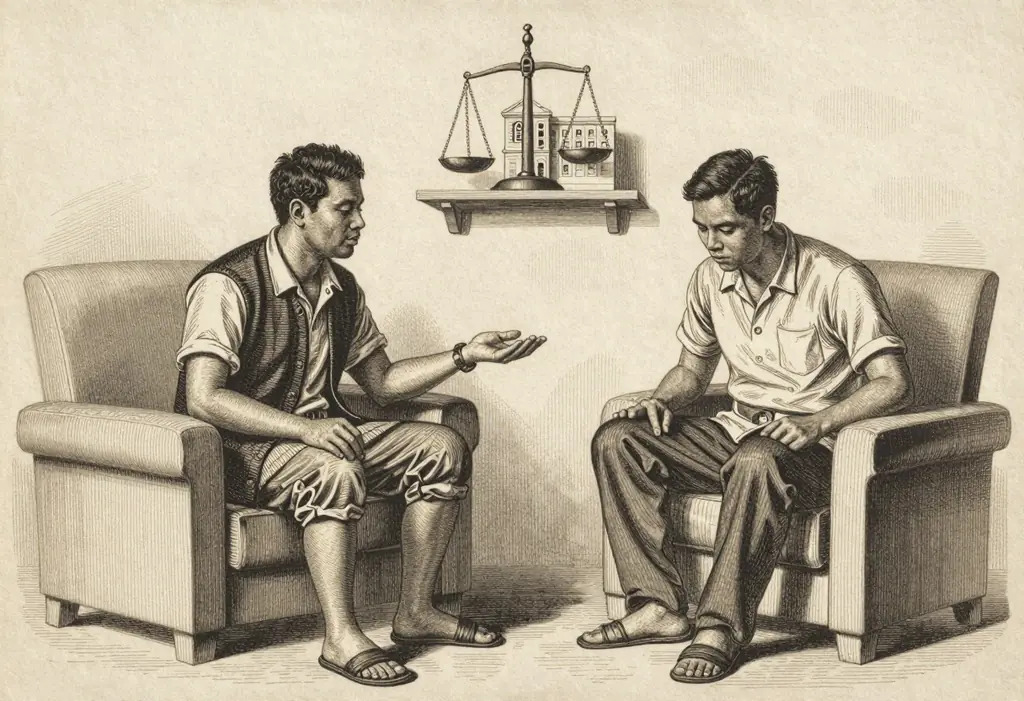 Full Plate
- Borrower asked for a loan honestly and later failed to pay
- Borrower owns the money and owes an equal amount back
- Remedy: demand letter, barangay, small claims or collection case
- No jail for the debt itself (Const., Art. III, Sec. 20)
- Fake name, property, credit, or business used to get the money
- Money received in trust or for a specific purpose, then misappropriated
- Postdated check issued knowing there were no funds, without telling you
- The deceit came before or at the time the money was handed over
A later broken promise to pay does not turn a loan into estafa. The fraud has to exist when the money changed hands.
Why
Article III, Section 20 of the 1987 Constitution provides that no person shall be imprisoned for debt. A loan of money is a mutuum under Article 1933 of the Civil Code, and under Article 1953 the borrower becomes the owner of the money and is bound to pay back an equal amount. Because the money became the borrower's own, spending it is not a crime, and failing to repay it is a breach of a civil obligation.
Estafa under Article 315 of the Revised Penal Code is different: the offender must defraud the victim through one of the means the law lists. Two come up most often. First, misappropriating money or property received in trust, on commission, for administration, or under any other obligation to deliver or return that same property, for example an agent who pockets collections or someone given money to buy a specific item who spends it on something else. Second, false pretenses or fraudulent acts made before or at the same time as the handing over of the money, such as using a fictitious name or pretending to have property, credit, a business, or imaginary transactions. A promise to pay that is simply broken later is not, by itself, that kind of deceit.
Checks are a separate matter. Issuing a postdated check knowing there are no or insufficient funds, without telling the payee, is one of the means of estafa under Article 315, and a bounced check can also be prosecuted under Batas Pambansa Blg. 22. If the deceit was carried out online, Section 6 of the Cybercrime Prevention Act (RA 10175) raises the penalty by one degree.
For a plain unpaid loan, the civil route works. Under Article 1169 of the Civil Code, the debtor is in delay from the time you demand payment, judicially or extrajudicially, so a written demand letter matters. Interest is due only if it was expressly agreed in writing (Article 1956); if none was agreed, Article 2209 lets you recover legal interest as damages once the debtor is in delay. You have ten years to sue on a written loan agreement and six years on an oral one (Articles 1144 and 1145). If you and the borrower are individuals living in the same city or municipality, the dispute usually goes to the Lupong Tagapamayapa first, then to small claims court or a regular collection case.
Be careful how you collect. Threatening a debtor with a jail term the law does not allow, shaming them online, or seizing their belongings can expose you to liability. Under Article 287 of the Revised Penal Code, seizing a debtor's property by violence to apply it to the debt is light coercion, and a public post accusing someone of being a scammer can lead to a libel or cyberlibel complaint.
People also read
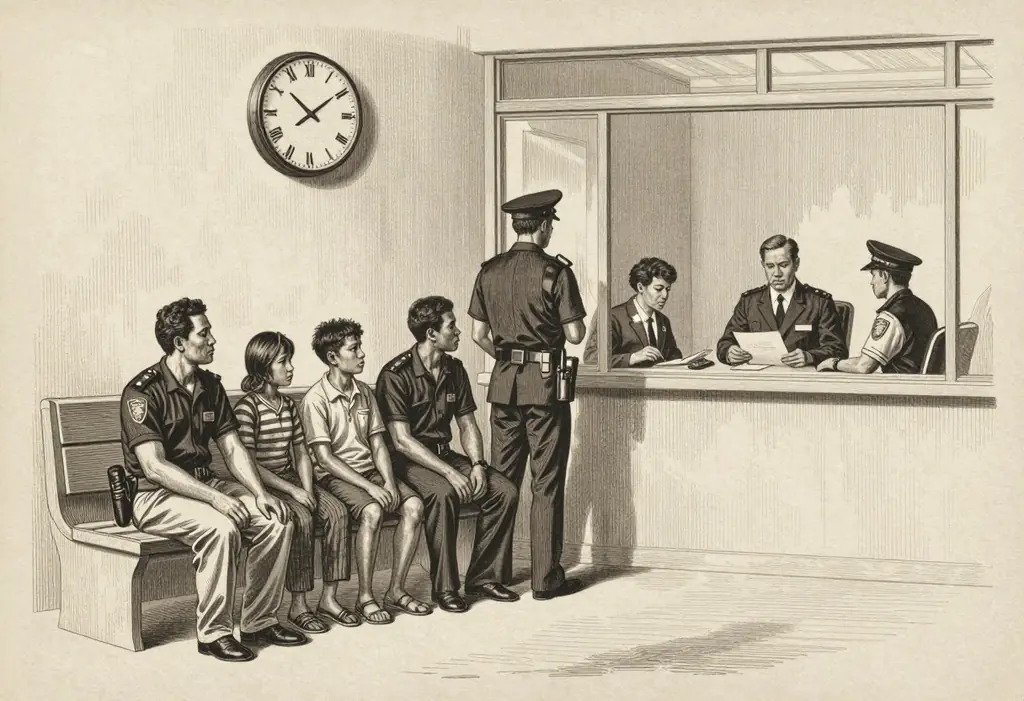
My relative was arrested without a warrant. How long can the police hold him before a case is filed, and what is an inquest?
Under Article 125 of the Revised Penal Code, a person arrested without a warrant must be delivered to the proper judicial authorities within 12, 18, or 36 hours, depending on whether the offense carries a light, correctional, or afflictive penalty. In practice this means an inquest prosecutor must file the case in court within that time or the person should be released, and throughout the detention he has the right to remain silent and to a lawyer.
Not lawyer-reviewedRead the answer
I already had the incident blottered at the barangay or police. Does that mean a case has been filed?
No. A blotter is only a logbook record that you reported an incident; it does not start a case, summon the other person, or stop the deadline for filing. To actually pursue someone, you file a complaint with the Lupong Tagapamayapa for minor disputes between people living in the same city or municipality, or a sworn complaint-affidavit with the prosecutor's office.
Not lawyer-reviewedRead the answer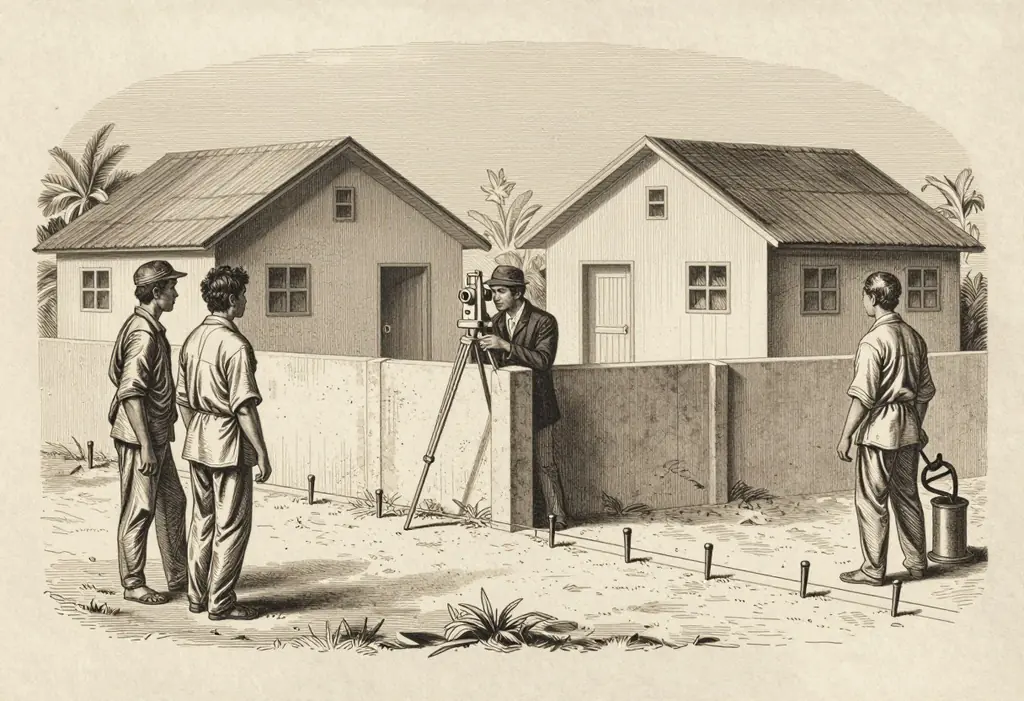
My neighbor's fence or house extension is built over our boundary line. What can I do?
First prove where the line really is, through a relocation survey by a licensed geodetic engineer based on the technical description in your title, then bring the dispute to the barangay where the land is. If that fails, a court can order the encroached portion returned; what happens to a structure on your side depends on whether it was built in good or bad faith (Civil Code, Arts. 448–453).
Not lawyer-reviewedRead the answer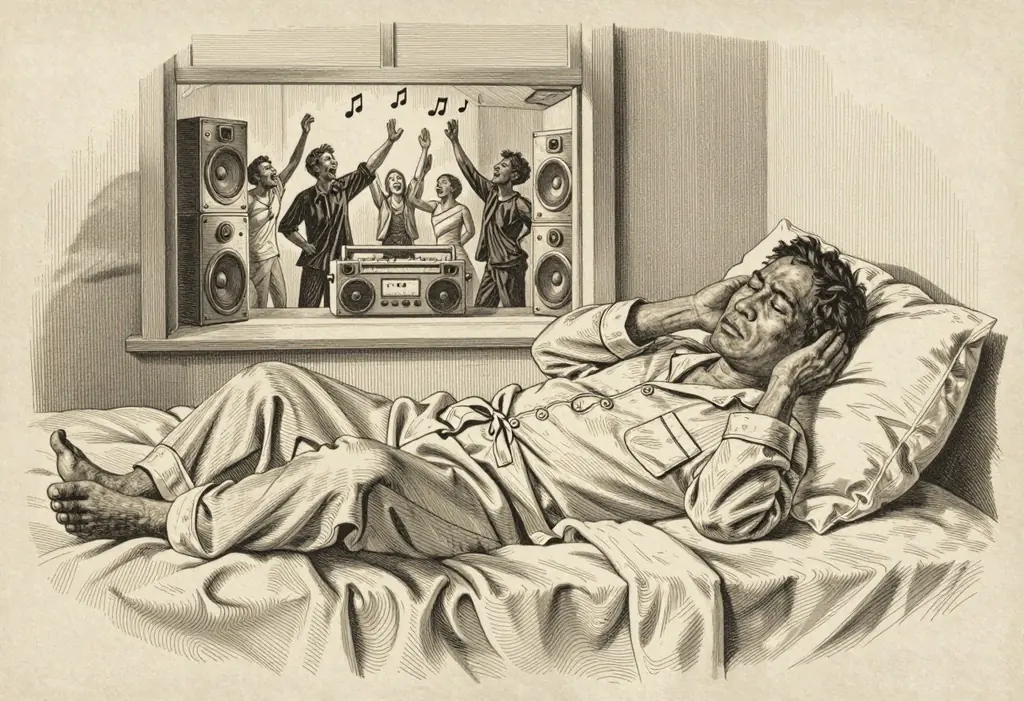
My neighbors blast loud karaoke late at night. What are my legal remedies in the Philippines?
Unreasonable and excessive noise can be an actionable nuisance under the Civil Code and may violate your city or municipality's anti-noise ordinance and, in some cases, the Revised Penal Code. Your first step is usually to call your barangay tanod or local police to enforce the quiet hours set by your local ordinance (often starting around 10 PM), followed by a formal complaint before the Lupong Tagapamayapa.
Not lawyer-reviewedRead the answer