General information, not legal advice. This answer was written by the PhilippineLaws team from the law it cites and checked for accuracy to the best of our knowledge, last on Sep 21, 2026. It has not been reviewed by a lawyer. Read the cited law yourself, and for your own situation talk to a lawyer or the Public Attorney’s Office (PAO).
My neighbor's fence or house extension is built over our boundary line. What can I do?
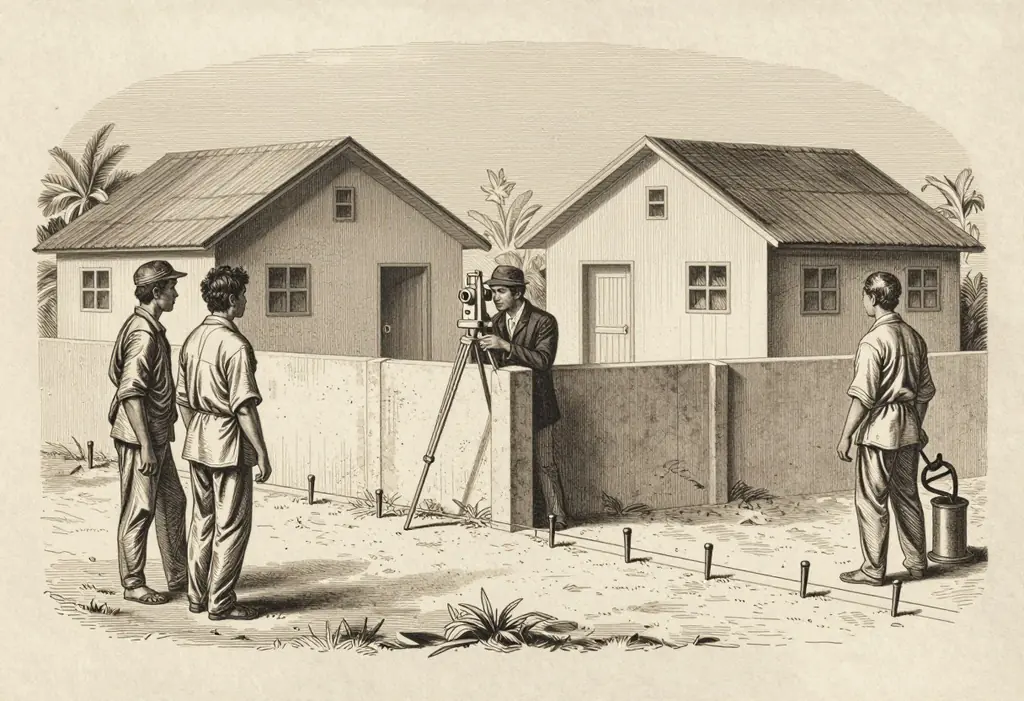
First prove where the line really is, through a relocation survey by a licensed geodetic engineer based on the technical description in your title, then bring the dispute to the barangay where the land is. If that fails, a court can order the encroached portion returned; what happens to a structure on your side depends on whether it was built in good or bad faith (Civil Code, Arts. 448–453).
Illustrated Legal Brief
 Full Plate
- You may keep the structure after paying indemnity
- Or make the builder buy the land it occupies
- If the land is worth considerably more, the builder pays rent instead
- Terms of the lease are fixed by the court if you cannot agree
- Builder loses the structure without right to indemnity
- You may demand demolition at the builder's expense
- Or make the builder pay the price of the land
- You may also claim damages
If you knew about the construction and did not object, the law treats you as in bad faith too (Art. 453). Object in writing early.
Why
Boundary fights are won with documents, not with who has been there longest. Under Article 434 of the Civil Code, a person suing to recover property must identify it and rely on the strength of his own title. That means your certificate of title and its technical description, the approved survey plan, and a relocation survey showing where the corners and monuments (mohon) actually fall. For titled land, Section 47 of the Property Registration Decree (PD 1529) provides that no title to registered land can be acquired by prescription or adverse possession, so a neighbor's fence standing on your side for years does not make that strip his.
Do not tear down the fence yourself. Article 429 lets an owner use reasonable force only to repel an actual or threatened invasion as it happens. Once a structure is already standing, Article 536 requires anyone who claims a right to the property to go to court if the holder refuses to give it up. Article 430 does let you fence your own land, as long as you stay on your side of the line.
If you and your neighbor are individuals living in the same city or municipality, the dispute generally goes first to barangay conciliation, and under Section 409(c) of the Local Government Code (RA 7160) a dispute involving real property is brought in the barangay where the property, or its larger portion, is located. A written amicable settlement, for example agreeing to move the fence to the surveyed line, becomes as binding as a final judgment after 10 days unless repudiated.
If talks fail, the court case depends on timing. If the neighbor took the strip by force, intimidation, threat, strategy, or stealth, you may file forcible entry under Rule 70 of the Rules of Court within one year. After that, you file an action to recover possession (accion publiciana) or ownership (accion reivindicatoria). Under Batas Pambansa Blg. 129 as amended by RA 11576, these go to the first-level courts if the assessed value of the property is ₱400,000 or less, and to the Regional Trial Court if it is higher. If a document or claim casts doubt on your title, Article 476 allows an action to quiet title.
For a building already on your land, the Civil Code turns on good faith. If the neighbor built in good faith, you may either keep the structure after paying the indemnity under Articles 546 and 548, or make him buy the land it stands on; if the land is worth considerably more than the building, he pays reasonable rent instead (Article 448). If he built in bad faith, he loses what he built without indemnity, and you may demand its demolition at his expense or make him pay for the land, with damages (Articles 449–451). Under Article 453, you are considered in bad faith if the work was done with your knowledge and without your objection, so object in writing as soon as construction starts. Separately, moving or altering boundary marks is a crime under Article 313 of the Revised Penal Code, and taking someone's land by violence or intimidation is punished under Article 312.
People also read

The seller only has a tax declaration, or is selling 'rights', not a land title. Is it safe to buy the land?
It is risky. A tax declaration is a record for real property tax, not a certificate of title; at most it supports a claim of ownership, and a seller of 'rights' may be selling only possession of land that belongs to someone else or to the government. If you still buy, first verify the land's status and the seller's chain of ownership, use a notarized deed of sale, and record it with the Register of Deeds.
Not lawyer-reviewedRead the answer
My neighbors blast loud karaoke late at night. What are my legal remedies in the Philippines?
Unreasonable and excessive noise can be an actionable nuisance under the Civil Code and may violate your city or municipality's anti-noise ordinance and, in some cases, the Revised Penal Code. Your first step is usually to call your barangay tanod or local police to enforce the quiet hours set by your local ordinance (often starting around 10 PM), followed by a formal complaint before the Lupong Tagapamayapa.
Not lawyer-reviewedRead the answer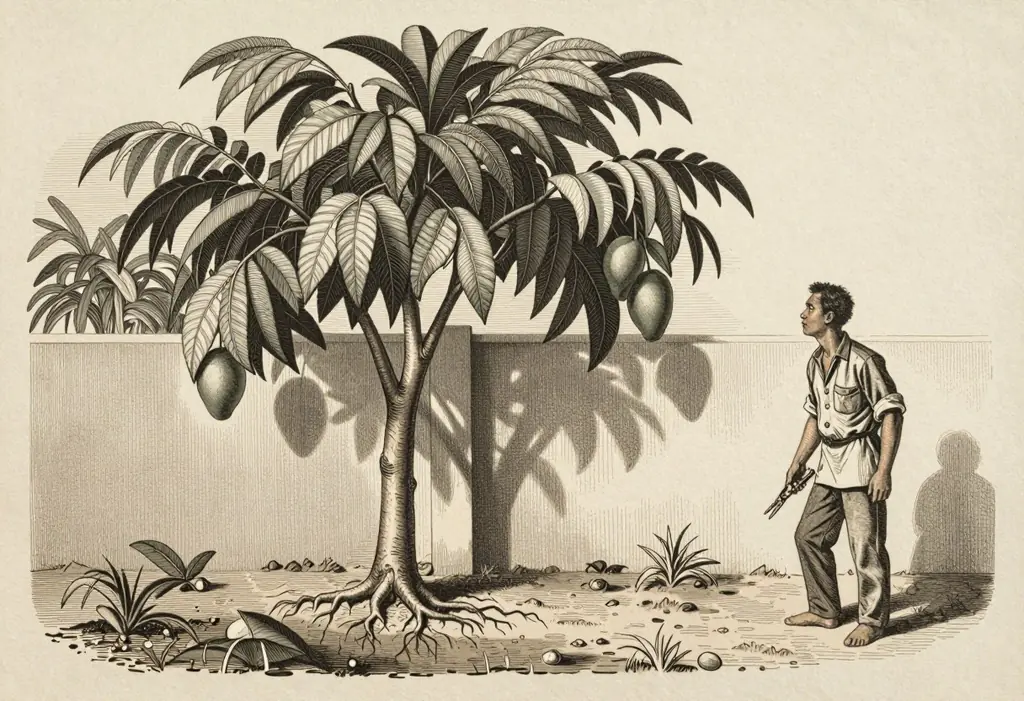
Can I cut down tree branches or roots from a neighbor's tree that cross into my property?
Under Article 680 of the Civil Code, you can cut tree roots that penetrate into your land yourself; however, you cannot cut overhanging branches on your own. You must formally demand that your neighbor cut the overhanging branches, and if they refuse, you can compel them through the barangay or court.
Not lawyer-reviewedRead the answer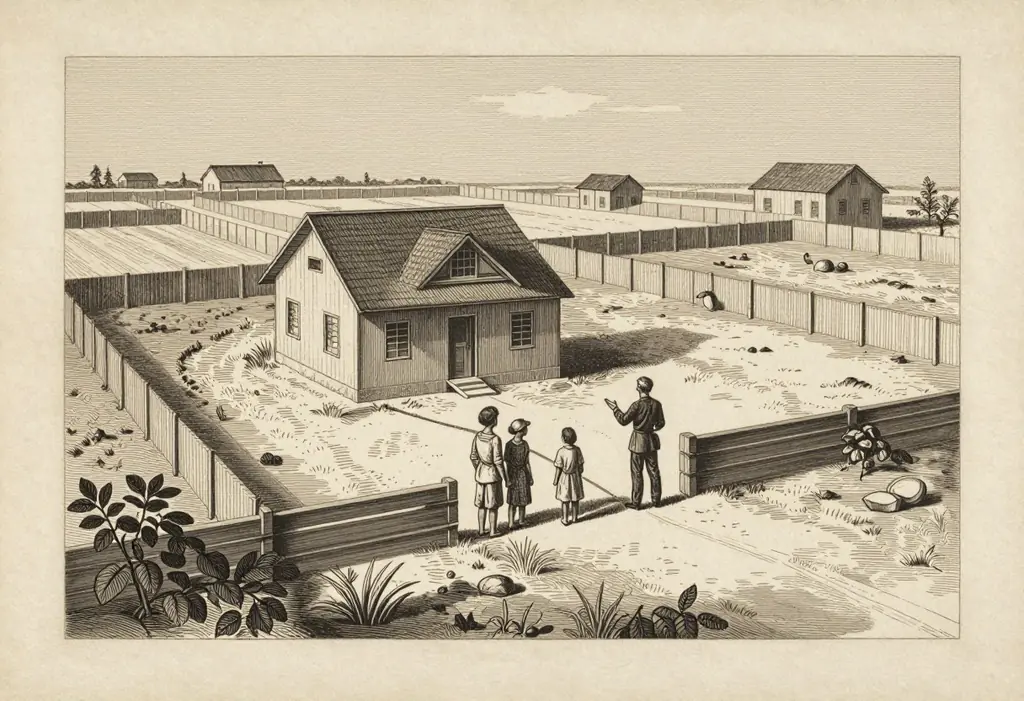
Our lot has no access to the road, and the neighbor just blocked the path we've used for years. Can we demand a right of way?
Yes, if your land is surrounded by other people's land with no adequate outlet to a public road and you did not cause the isolation yourself, Article 649 of the Civil Code lets you demand a right of way, but you must pay the neighbor proper indemnity and the path must run where it causes the least damage. Years of using a path do not, by themselves, give you a legal right to it, so the right of way must be set out in a written agreement or ordered by a court.
Not lawyer-reviewedRead the answer