General information, not legal advice. This answer was written by the PhilippineLaws team from the law it cites and checked for accuracy to the best of our knowledge, last on Sep 21, 2026. It has not been reviewed by a lawyer. Read the cited law yourself, and for your own situation talk to a lawyer or the Public Attorney’s Office (PAO).
Our lot has no access to the road, and the neighbor just blocked the path we've used for years. Can we demand a right of way?
Yes, if your land is surrounded by other people's land with no adequate outlet to a public road and you did not cause the isolation yourself, Article 649 of the Civil Code lets you demand a right of way, but you must pay the neighbor proper indemnity and the path must run where it causes the least damage. Years of using a path do not, by themselves, give you a legal right to it, so the right of way must be set out in a written agreement or ordered by a court.
Illustrated Legal Brief
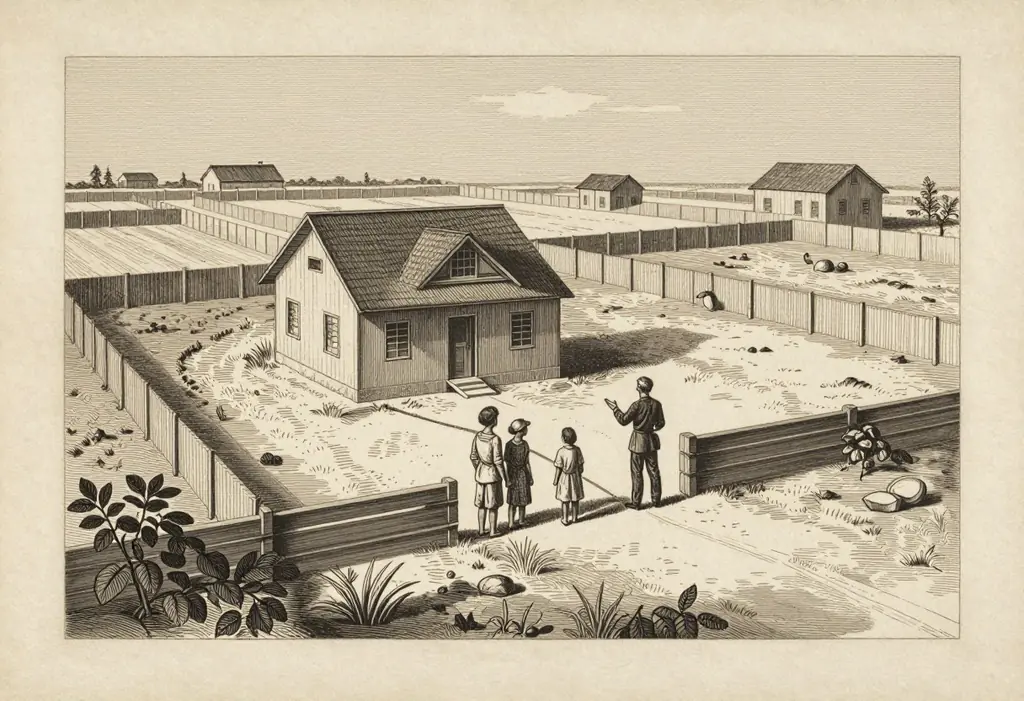 Full Plate
Your land is surrounded by other estates
Other people's properties enclose it
No adequate outlet to a public highway
There is no sufficient existing access to a public road
Caution: You did not cause the isolation
The easement is not compulsory if the isolation is due to the owner's own acts
You pay proper indemnity
Land value plus damage for a permanent path; damage only for a cultivation path; none if Art. 652 applies
Allowed: The path runs where it causes the least damage
And, consistent with that, by the shortest route to the road
A right of way cannot be acquired by years of use alone (Art. 622). Get it in a notarized deed or a court judgment.
Why
Article 649 of the Civil Code gives the owner of land, or anyone with a real right to use it, the right to demand a passage through neighboring land when the property is surrounded by other estates and has no adequate outlet to a public highway, after paying the proper indemnity. The easement is not compulsory if the land became isolated because of the owner's own acts, for example if he sold or built over the part of his land that used to reach the road.
The law also decides where the path goes and how wide it is. Under Article 650, the right of way is set at the point least prejudicial to the neighbor's land, and, as far as that allows, where the distance to the public highway is shortest. Under Article 651, its width is whatever is sufficient for the needs of your property, and it may change over time as those needs change.
The indemnity depends on the kind of passage. For a permanent passage that can be used continuously for all your property's needs, you pay the value of the land occupied plus the damage caused to the neighbor's property. For a passage needed only to cultivate the land and gather its crops, without a permanent path, you pay only the damage caused (Article 649). There is an important exception in Article 652: if your lot was acquired by sale, exchange, or partition and is surrounded by the other land of the seller, the other party to the exchange, or your co-owners, they must give the right of way without indemnity. This commonly applies when a family property is subdivided among heirs and one lot ends up with no road access. Under Article 654, you maintain a permanent passage and reimburse a proportionate share of its taxes, and under Article 655, the neighbor may ask to end the easement, returning what you paid, once your land gains its own access to a public road.
Long use alone does not create the right. A right of way is a discontinuous easement, because it is used at intervals and depends on people's acts (Article 615), and under Article 622 discontinuous easements can be acquired only by title, not by prescription. So a neighbor who tolerated your use of a path for years may generally close it. Your remedy is to demand a compulsory right of way under Article 649 and pay the indemnity, or to agree on a voluntary one; under Article 623, a deed of recognition from the neighbor or a final court judgment can supply the missing title. Separately, Article 656 requires a neighbor to allow temporary passage of materials or scaffolding when it is indispensable for construction or repair, after being paid for the damage.
Because this is a dispute over real property, if you and the neighbor are individuals living in the same city or municipality, it generally goes first to barangay conciliation in the barangay where the land is located (Sections 408 and 409(c) of RA 7160). If no agreement is reached, you may file a case in court to have the easement established and the indemnity fixed.
People also read
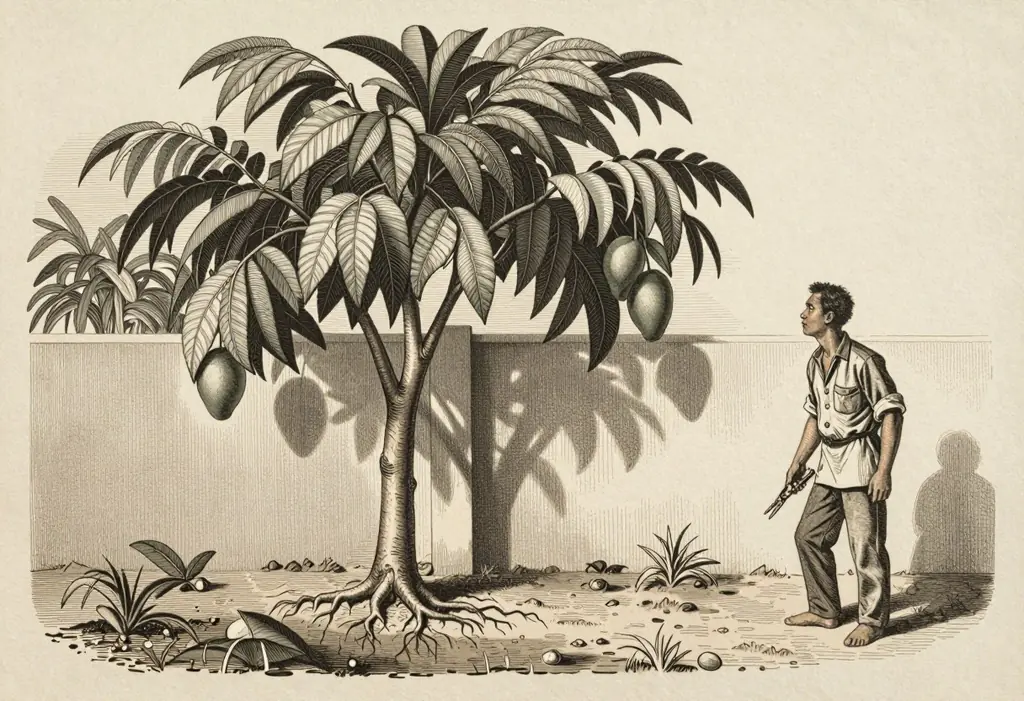
Can I cut down tree branches or roots from a neighbor's tree that cross into my property?
Under Article 680 of the Civil Code, you can cut tree roots that penetrate into your land yourself; however, you cannot cut overhanging branches on your own. You must formally demand that your neighbor cut the overhanging branches, and if they refuse, you can compel them through the barangay or court.
Not lawyer-reviewedRead the answer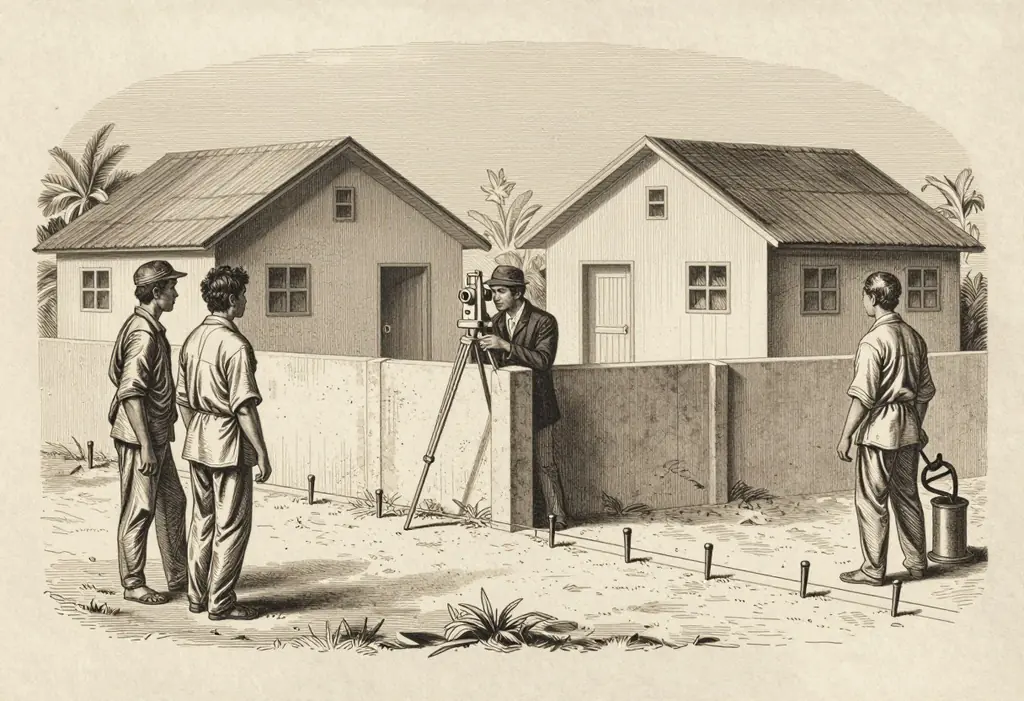
My neighbor's fence or house extension is built over our boundary line. What can I do?
First prove where the line really is, through a relocation survey by a licensed geodetic engineer based on the technical description in your title, then bring the dispute to the barangay where the land is. If that fails, a court can order the encroached portion returned; what happens to a structure on your side depends on whether it was built in good or bad faith (Civil Code, Arts. 448–453).
Not lawyer-reviewedRead the answer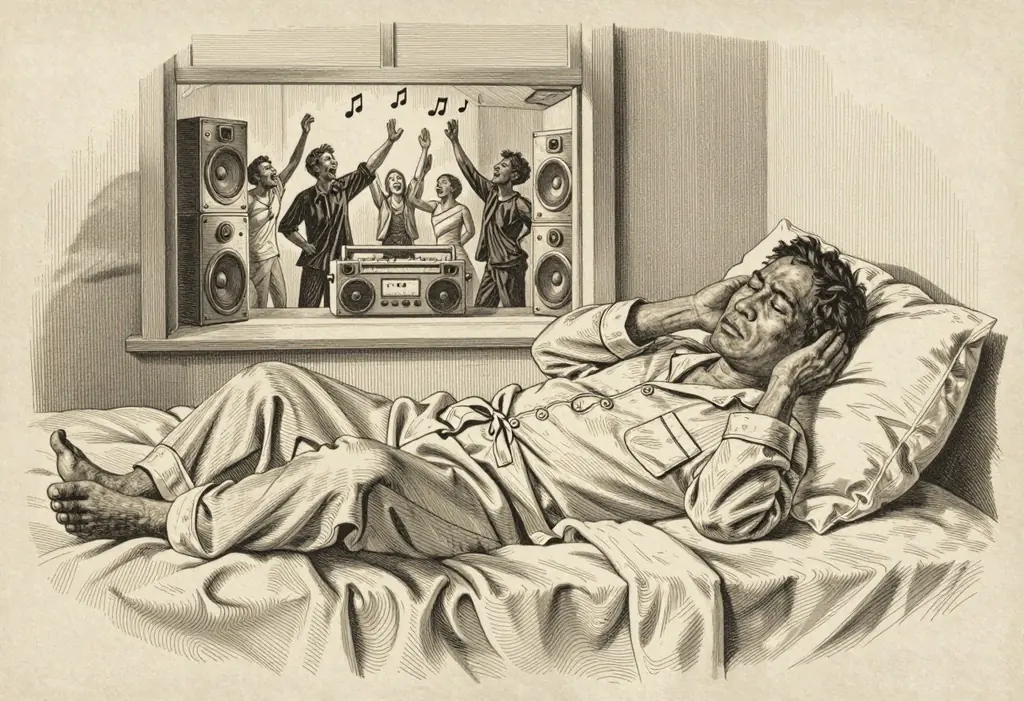
My neighbors blast loud karaoke late at night. What are my legal remedies in the Philippines?
Unreasonable and excessive noise can be an actionable nuisance under the Civil Code and may violate your city or municipality's anti-noise ordinance and, in some cases, the Revised Penal Code. Your first step is usually to call your barangay tanod or local police to enforce the quiet hours set by your local ordinance (often starting around 10 PM), followed by a formal complaint before the Lupong Tagapamayapa.
Not lawyer-reviewedRead the answer
Someone borrowed money from me and won't pay it back. Can I file estafa and have them jailed?
Usually not. Failing to pay a loan is a civil matter, because the Constitution says no one may be imprisoned for debt; estafa applies only when there was deceit at the start, such as a fake identity or invented property used to get the money, or when money handed over in trust for a specific purpose was misappropriated. For an ordinary unpaid utang, the remedy is a written demand, barangay conciliation, and a collection case such as small claims.
Not lawyer-reviewedRead the answer