General information, not legal advice. This answer was written by the PhilippineLaws team from the law it cites and checked for accuracy to the best of our knowledge, last on Sep 29, 2026. It has not been reviewed by a lawyer. Read the cited law yourself, and for your own situation talk to a lawyer or the Public Attorney’s Office (PAO).
Can I cut down tree branches or roots from a neighbor's tree that cross into my property?
Under Article 680 of the Civil Code, you can cut tree roots that penetrate into your land yourself; however, you cannot cut overhanging branches on your own. You must formally demand that your neighbor cut the overhanging branches, and if they refuse, you can compel them through the barangay or court.
Illustrated Legal Brief
 Full Plate
- You CAN cut them yourself directly
- Must stay strictly within your boundary line
- No prior consent or demand required by law
- Lawful remedy to protect foundations & fences
- You CANNOT cut them yourself without consent
- Must formally demand that the owner cut them
- Barangay conciliation if the neighbor refuses
- Naturally fallen fruits belong to you
Cutting down a neighbor's branches without demand or consent can expose you to liability for damages and malicious mischief.
Why
Disputes over neighborly trees and property boundaries are governed by Articles 679, 680, and 681 of the Civil Code of the Philippines, which draw a sharp legal distinction between invading roots below ground and overhanging branches in the air.
Under Article 680, if the roots of a neighbor's tree penetrate into your land, you have the immediate legal right to cut them off yourself within the boundaries of your property. You do not need to seek permission or wait for the tree owner to act before severing invasive roots that threaten your foundation, driveway, or garden.
However, the rule for branches is strictly the opposite. Under the same Article 680, if the branches of a neighbor's tree extend over your property, you do NOT have the authority to cut them down yourself. The law states that you 'may demand that they be cut off' by the tree owner. Taking a saw or shears to cut down your neighbor's tree branches without their consent is considered an act of self-help and can make you civilly liable for damages or criminally liable for malicious mischief under the Revised Penal Code.
Fruits are governed by Article 681: fruits that naturally fall from a neighbor's tree onto your land belong to you by operation of law. However, you are not allowed to shake the branches, throw rocks, or pluck fruits directly from branches that are still attached to the neighbor's tree.
If an overhanging branch is rotten, unstable, or endangers people or structures below, it constitutes a legal nuisance under Article 694 of the Civil Code, which empowers the barangay or local engineering office to order its urgent pruning or abatement.
People also read
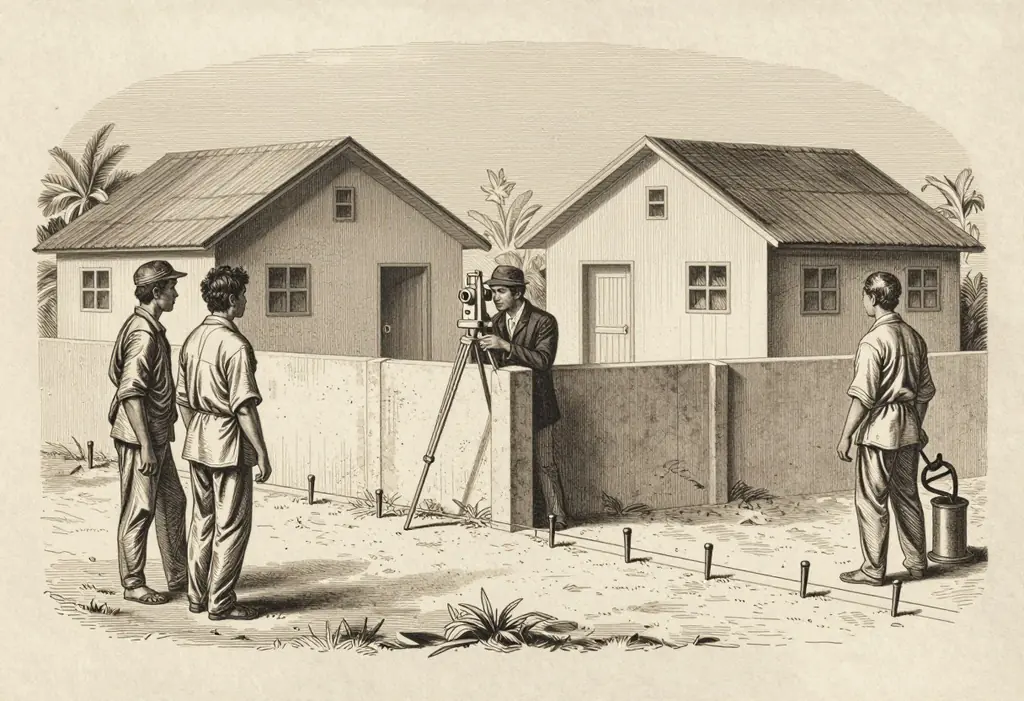
My neighbor's fence or house extension is built over our boundary line. What can I do?
First prove where the line really is, through a relocation survey by a licensed geodetic engineer based on the technical description in your title, then bring the dispute to the barangay where the land is. If that fails, a court can order the encroached portion returned; what happens to a structure on your side depends on whether it was built in good or bad faith (Civil Code, Arts. 448–453).
Not lawyer-reviewedRead the answer
My neighbors blast loud karaoke late at night. What are my legal remedies in the Philippines?
Unreasonable and excessive noise can be an actionable nuisance under the Civil Code and may violate your city or municipality's anti-noise ordinance and, in some cases, the Revised Penal Code. Your first step is usually to call your barangay tanod or local police to enforce the quiet hours set by your local ordinance (often starting around 10 PM), followed by a formal complaint before the Lupong Tagapamayapa.
Not lawyer-reviewedRead the answer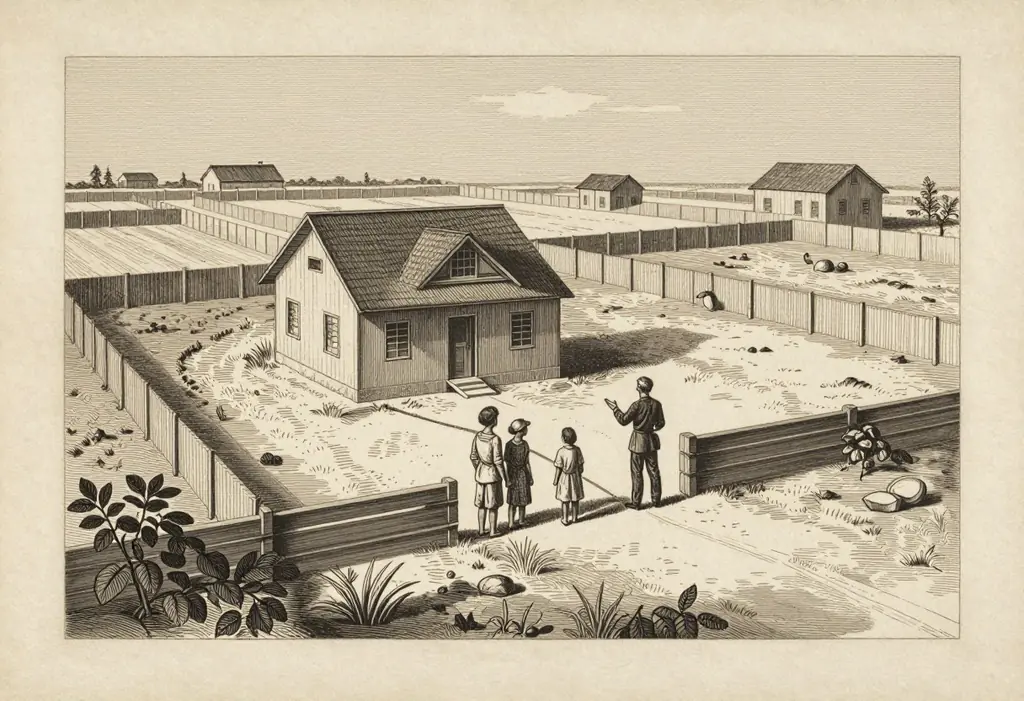
Our lot has no access to the road, and the neighbor just blocked the path we've used for years. Can we demand a right of way?
Yes, if your land is surrounded by other people's land with no adequate outlet to a public road and you did not cause the isolation yourself, Article 649 of the Civil Code lets you demand a right of way, but you must pay the neighbor proper indemnity and the path must run where it causes the least damage. Years of using a path do not, by themselves, give you a legal right to it, so the right of way must be set out in a written agreement or ordered by a court.
Not lawyer-reviewedRead the answer
My landlord changed the locks and kept my things. Is that legal?
No. In the Philippines, a landlord cannot practice self-help eviction. Only a court can order an eviction, and only a court sheriff can physically enforce it. A landlord who changes the locks, cuts utilities, or seizes your belongings to force you out is using self-help the law does not allow, and, depending on the facts, may face a forcible entry case, damages, or criminal complaints such as coercion.
Not lawyer-reviewedRead the answer