General information, not legal advice. This answer was written by the PhilippineLaws team from the law it cites and checked for accuracy to the best of our knowledge, last on Sep 21, 2026. It has not been reviewed by a lawyer. Read the cited law yourself, and for your own situation talk to a lawyer or the Public Attorney’s Office (PAO).
My landlord changed the locks and kept my things. Is that legal?
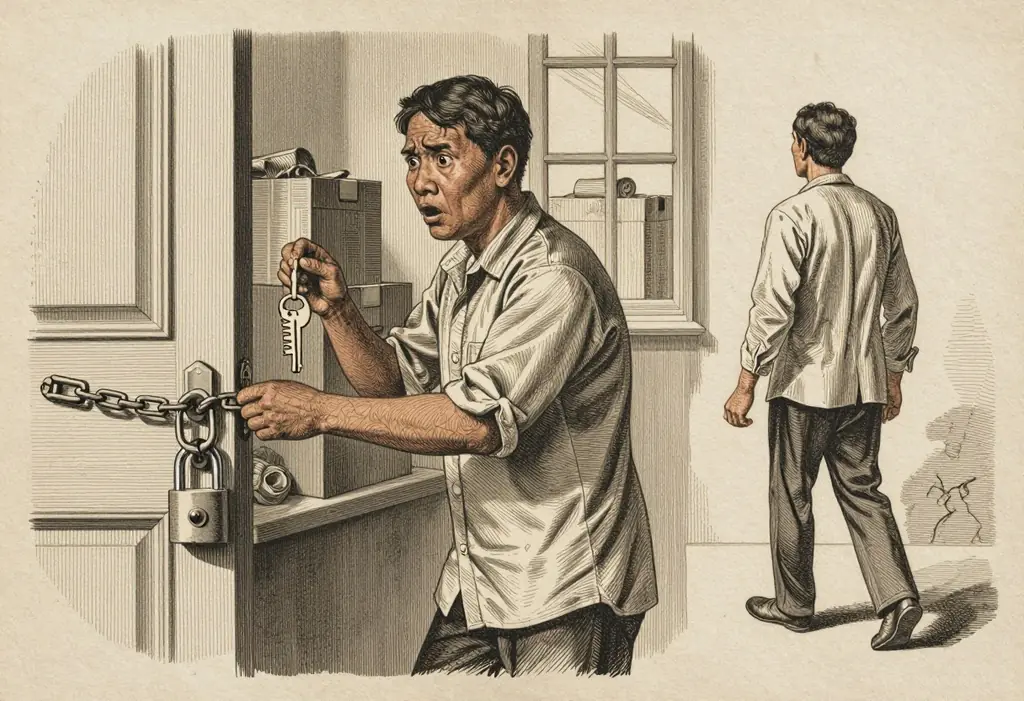
No. In the Philippines, a landlord cannot practice self-help eviction. Only a court can order an eviction, and only a court sheriff can physically enforce it. A landlord who changes the locks, cuts utilities, or seizes your belongings to force you out is using self-help the law does not allow, and, depending on the facts, may face a forcible entry case, damages, or criminal complaints such as coercion.
Illustrated Legal Brief
 Full Plate
- Step 1
Written Notice & Demand
Landlord serves a written demand to pay and vacate (5 days for buildings, 15 days for land, unless the lease says otherwise)
- Step 2
Barangay Conciliation
Confrontation before the Lupong Tagapamayapa if the parties are individuals residing in the same city or municipality
- Step 3
Court Ejectment Suit
File Unlawful Detainer in the Municipal Trial Court within 1 year of the last demand
- Prohibited
Not allowed: Self-Help Lockout
Changing locks, cutting utilities, or withholding belongings without a court writ is illegal
Only a court sheriff enforcing a writ issued by the court can lawfully eject a tenant against their will.
Why
Philippine law strictly prohibits self-help evictions. Even if a tenant is legitimately behind on rent, an owner cannot take the law into their own hands. Under Article 536 of the Civil Code, a person who believes he has a right to take a thing from its holder must ask the court for help if the holder refuses to give it up. The lawful route is the ejectment process under Rule 70 of the Rules of Court: a written demand to pay and vacate, barangay conciliation where required, a judgment from the Municipal Trial Court, and enforcement of the writ by a court sheriff.
When a landlord locks you out, removes doors, or installs padlocks without a court writ, you may have a case for Forcible Entry under Rule 70, Section 1, which covers a person deprived of possession by force, intimidation, threat, strategy, or stealth. The case must be filed within one (1) year from the dispossession (counted from discovery if it was done by stealth), and under Rule 70, Section 15 you may move, within five (5) days from filing the complaint, for a writ of preliminary mandatory injunction to restore you to possession while the case is pending.
Shutting off utilities—such as water or electricity—to force a tenant out is another form of self-help. Under Article 1654 of the Civil Code, the lessor must maintain the lessee in the peaceful and adequate enjoyment of the lease for the whole term, so cutting services to drive you out can support a claim for damages, and depending on how it is done, a criminal complaint.
Confiscating or withholding a tenant's personal property, appliances, or clothes is equally unlawful. The Civil Code gives a lessor a preference for up to one year's unpaid rent over the lessee's personal property in the leased premises (Article 2241), but that preference is enforced through the courts; it does not let the landlord seize your things. Under Article 287 of the Revised Penal Code, seizing a debtor's property by violence to apply it to the debt is light coercion, and preventing you by violence, threats, or intimidation from doing something lawful, such as retrieving your belongings, may be grave coercion under Article 286. Other harassment may be unjust vexation.
If the tenant and the landlord are individuals residing in the same city or municipality, the dispute must generally first be brought to the Lupong Tagapamayapa under Republic Act No. 7160 (Katarungang Pambarangay), and you will need a Certificate to File Action before going to court. Under Section 412(b), however, you may go directly to court when the action is coupled with a provisional remedy such as a preliminary injunction or the delivery of personal property, or when the case may otherwise be barred by the statute of limitations.
People also read
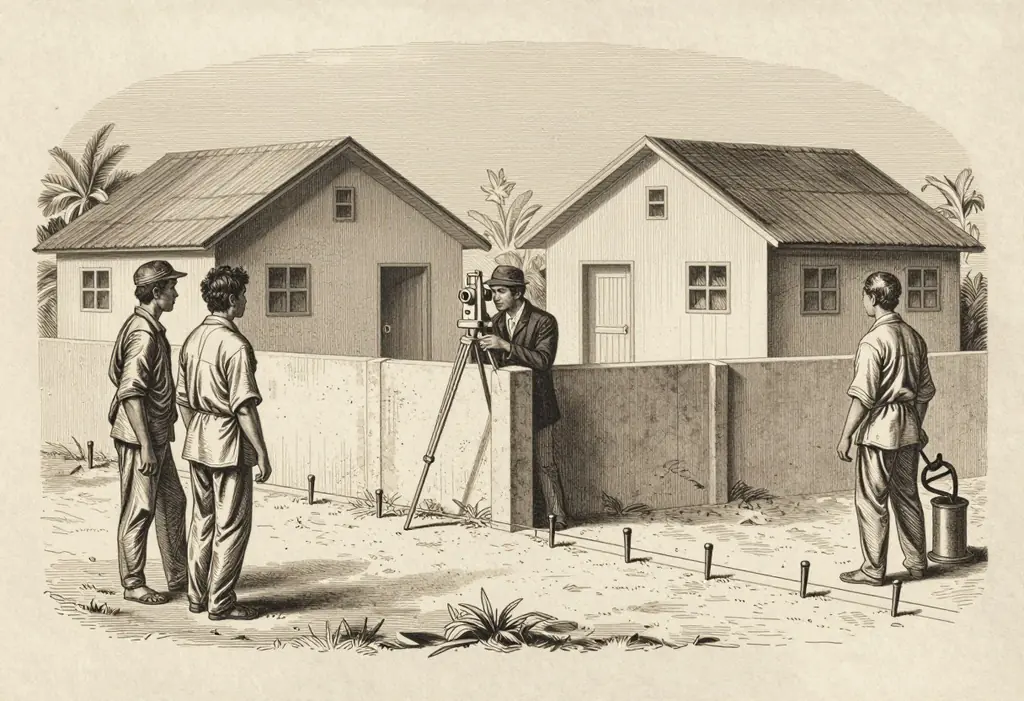
My neighbor's fence or house extension is built over our boundary line. What can I do?
First prove where the line really is, through a relocation survey by a licensed geodetic engineer based on the technical description in your title, then bring the dispute to the barangay where the land is. If that fails, a court can order the encroached portion returned; what happens to a structure on your side depends on whether it was built in good or bad faith (Civil Code, Arts. 448–453).
Not lawyer-reviewedRead the answer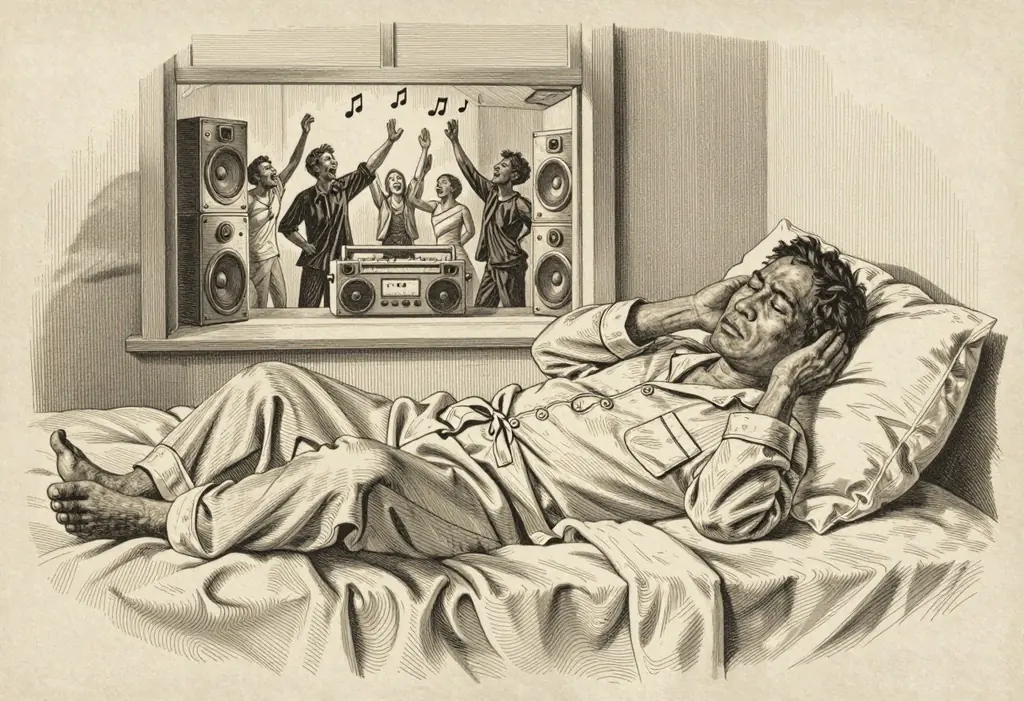
My neighbors blast loud karaoke late at night. What are my legal remedies in the Philippines?
Unreasonable and excessive noise can be an actionable nuisance under the Civil Code and may violate your city or municipality's anti-noise ordinance and, in some cases, the Revised Penal Code. Your first step is usually to call your barangay tanod or local police to enforce the quiet hours set by your local ordinance (often starting around 10 PM), followed by a formal complaint before the Lupong Tagapamayapa.
Not lawyer-reviewedRead the answer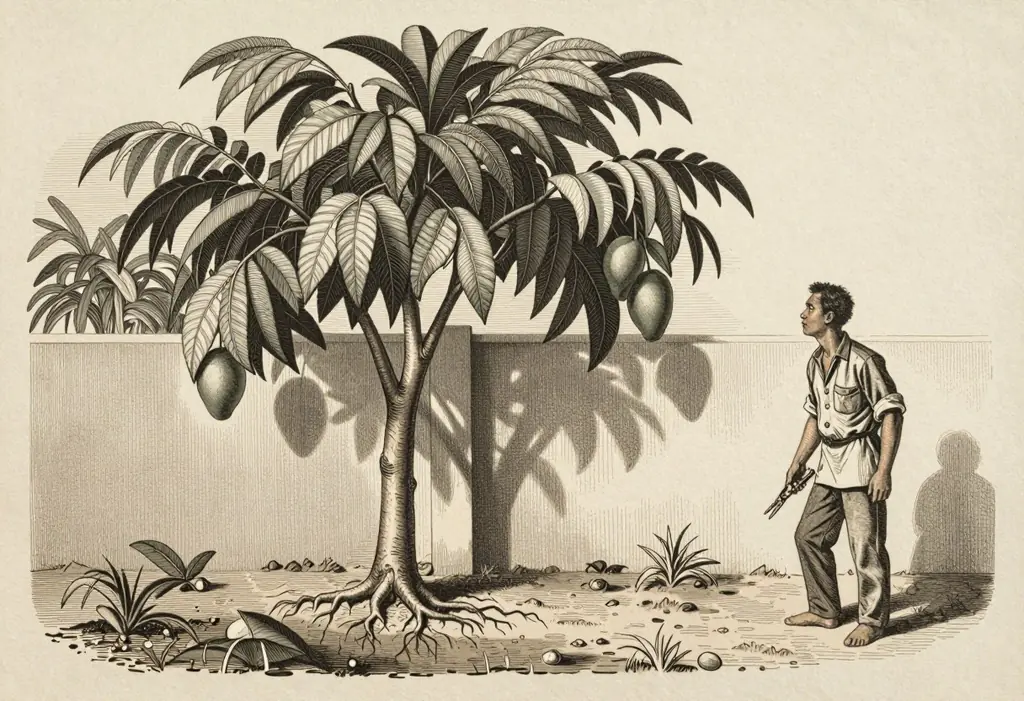
Can I cut down tree branches or roots from a neighbor's tree that cross into my property?
Under Article 680 of the Civil Code, you can cut tree roots that penetrate into your land yourself; however, you cannot cut overhanging branches on your own. You must formally demand that your neighbor cut the overhanging branches, and if they refuse, you can compel them through the barangay or court.
Not lawyer-reviewedRead the answer
How much can a landlord increase rent each year in the Philippines?
Under Republic Act No. 9653 (the Rent Control Act) and DHSUD regulations, rent for covered residential units cannot be raised beyond the statutory annual ceiling (typically 4% to 7% for continuing tenants). Landlords are also strictly forbidden from demanding more than one month advance rent and two months security deposit.
Not lawyer-reviewedRead the answer