General information, not legal advice. This answer was written by the PhilippineLaws team from the law it cites and checked for accuracy to the best of our knowledge, last on Sep 21, 2026. It has not been reviewed by a lawyer. Read the cited law yourself, and for your own situation talk to a lawyer or the Public Attorney’s Office (PAO).
The seller only has a tax declaration, or is selling 'rights', not a land title. Is it safe to buy the land?
It is risky. A tax declaration is a record for real property tax, not a certificate of title; at most it supports a claim of ownership, and a seller of 'rights' may be selling only possession of land that belongs to someone else or to the government. If you still buy, first verify the land's status and the seller's chain of ownership, use a notarized deed of sale, and record it with the Register of Deeds.
Illustrated Legal Brief
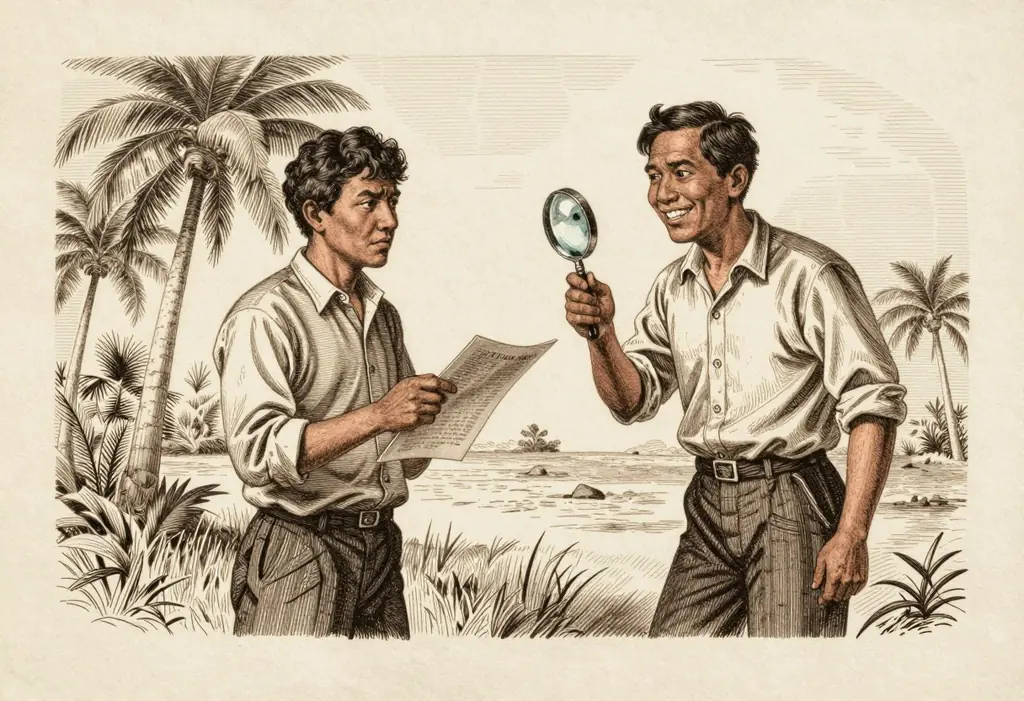 Full Plate
- Names the registered owner
- Cannot be lost to squatters through prescription
- Liens and claims are annotated on the title
- Buyer gets a new TCT once the sale is registered
- Shows who declared the land for real property tax
- Land may still be public or covered by another's title
- Deed binds third persons only if recorded with the Register of Deeds
- Titling later requires 20 years of qualifying possession
Check the land's classification with the DENR and search for existing titles before paying anything.
Why
Titled land is registered under the Torrens system of the Property Registration Decree (PD 1529), and the certificate of title shows who the registered owner is. A tax declaration is issued by the local assessor so that real property tax can be collected. It shows who declared the land for taxation and can support a claim of possession or ownership, but it is not proof of ownership on its own. Untitled land may be private land held through long possession, or it may still be land of the public domain. Under Article 1113 of the Civil Code, property of the State that is not patrimonial cannot be acquired by prescription, no matter how long someone has occupied it.
A buyer only gets what the seller has. Article 1459 of the Civil Code requires the seller to have the right to transfer ownership when the thing is delivered. When someone sells 'rights' over a lot, you may be buying only his possession, or nothing at all if the land belongs to another. Pretending to own real property and selling or mortgaging it is a form of swindling under Article 316 of the Revised Penal Code. If the same land is sold to two buyers, Article 1544 gives it to the one who, in good faith, first recorded the sale; if neither recorded it, to the one who first took possession in good faith; and failing that, to the one with the oldest title, as long as he acted in good faith.
Paperwork still matters. Under Article 1358 of the Civil Code, contracts that transfer real rights over land must appear in a public document, meaning a notarized deed, and under Article 1403(2)(e), a sale of real property is unenforceable in court unless it is in writing. For untitled land, Section 113 of PD 1529 provides that a deed of sale is valid only between the buyer and seller unless it is recorded with the Register of Deeds of the province or city where the land lies, and that recording is without prejudice to a third party with a better right.
Untitled land can sometimes be titled later. RA 11573 (2021) amended the Public Land Act and Section 14 of PD 1529 so that a person who, personally or through predecessors-in-interest, has been in open, continuous, exclusive, and notorious possession of alienable and disposable public land under a bona fide claim of ownership for at least 20 years immediately before applying may seek judicial confirmation of title. It also allows an agricultural free patent for a natural-born citizen who owns no more than 12 hectares and has occupied and cultivated alienable and disposable agricultural land for at least 20 years, and paid the real estate tax on it. Both depend on the land being classified as alienable and disposable, which is why checking with the DENR comes first.
Watch for special cases. If the land sits inside someone else's titled property, the title prevails, and Section 47 of PD 1529 bars acquiring registered land by prescription. Land awarded to farmer-beneficiaries under the agrarian reform law carries transfer restrictions under Section 27 of RA 6657, so check with the Department of Agrarian Reform before buying. And if the seller inherited the land, all the heirs must sign or the estate must first be settled, or you may end up buying only one heir's share.
People also read
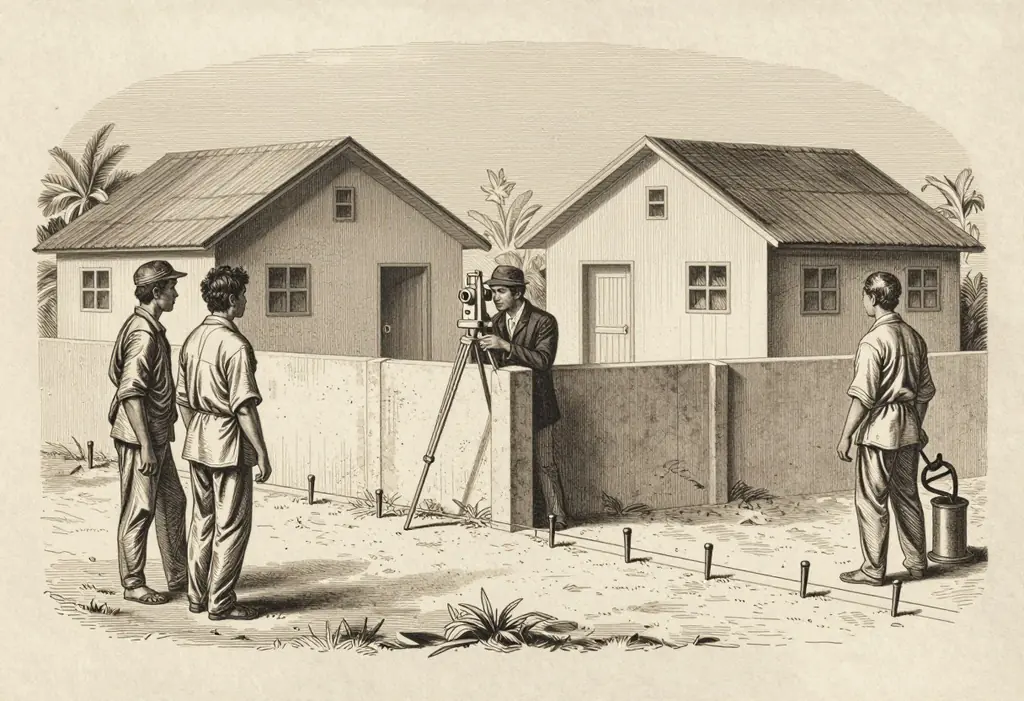
My neighbor's fence or house extension is built over our boundary line. What can I do?
First prove where the line really is, through a relocation survey by a licensed geodetic engineer based on the technical description in your title, then bring the dispute to the barangay where the land is. If that fails, a court can order the encroached portion returned; what happens to a structure on your side depends on whether it was built in good or bad faith (Civil Code, Arts. 448–453).
Not lawyer-reviewedRead the answer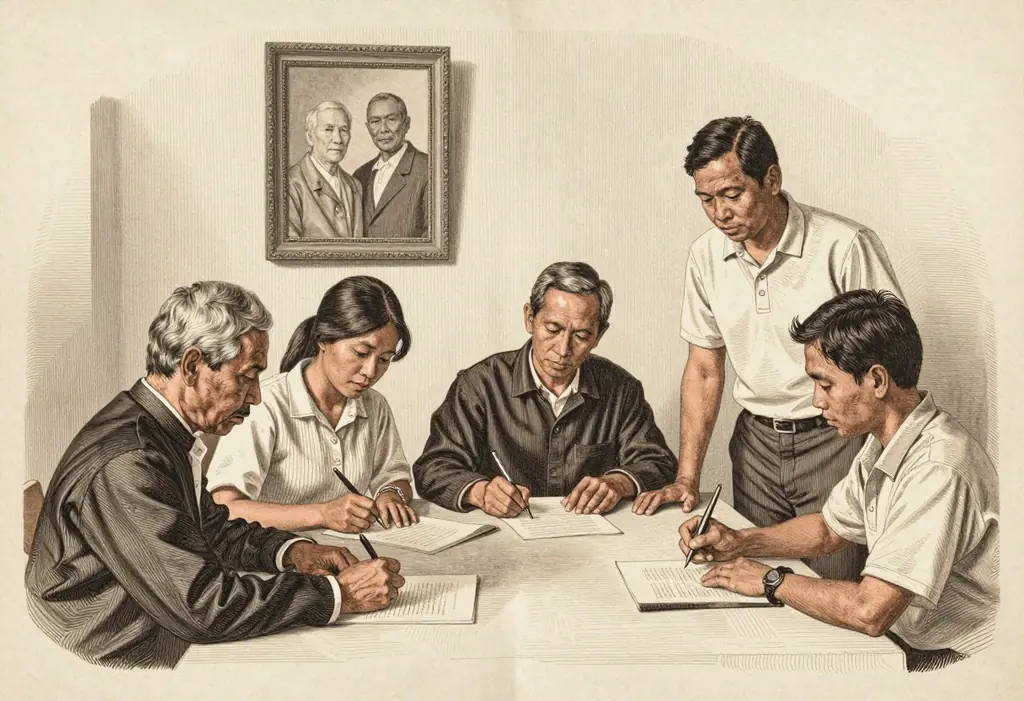
The seller is selling land inherited from their deceased parents, but the title is still in the parents' name. Is it safe to buy, and what is an Extrajudicial Settlement with Sale?
It is risky unless all legal heirs sign the Extrajudicial Settlement with Deed of Absolute Sale, estate taxes are settled with the BIR, and publication is completed. Even after registration, Section 4 of Rule 74 annotates a statutory 2-year lien on the new title protecting excluded heirs and unpaid estate creditors.
Not lawyer-reviewedRead the answer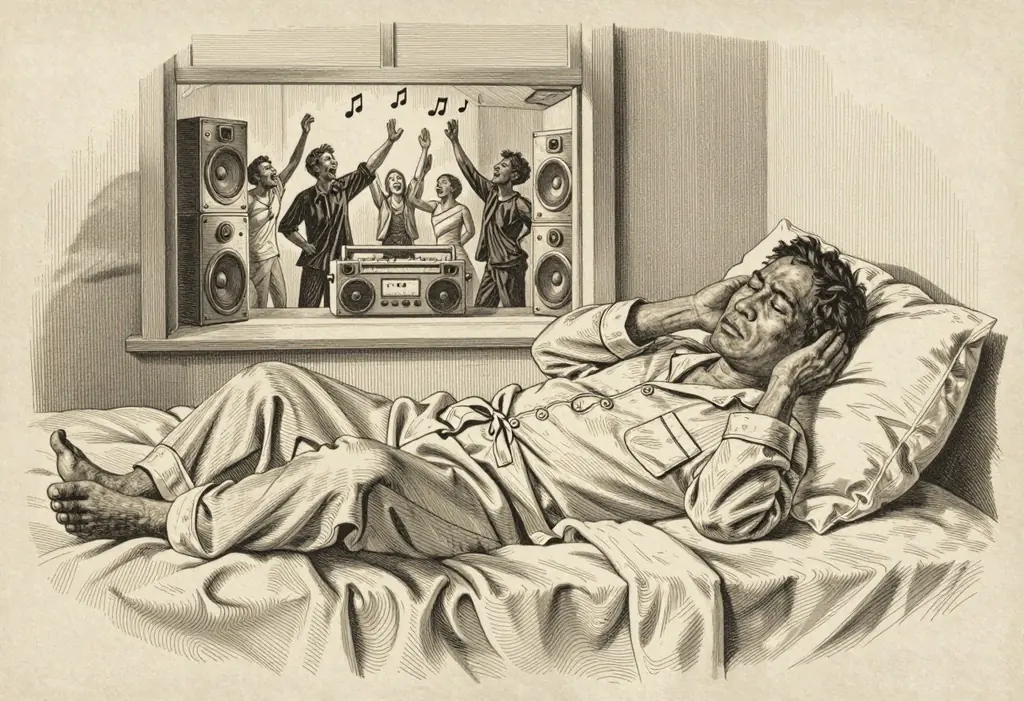
My neighbors blast loud karaoke late at night. What are my legal remedies in the Philippines?
Unreasonable and excessive noise can be an actionable nuisance under the Civil Code and may violate your city or municipality's anti-noise ordinance and, in some cases, the Revised Penal Code. Your first step is usually to call your barangay tanod or local police to enforce the quiet hours set by your local ordinance (often starting around 10 PM), followed by a formal complaint before the Lupong Tagapamayapa.
Not lawyer-reviewedRead the answer
Our parent died without a will and left land still titled in their name. How do we transfer it to the heirs?
If there is no will and no unpaid debts, and all heirs are of age or minors are properly represented, the heirs can settle the estate without going to court: sign a notarized extrajudicial settlement, publish it in a newspaper once a week for three consecutive weeks, pay the estate tax, and present the BIR clearance to the Register of Deeds for new titles (Rule 74, Rules of Court). If the heirs cannot agree, the remedy is a court action for partition or judicial settlement.
Not lawyer-reviewedRead the answer