General information, not legal advice. This answer was written by the PhilippineLaws team from the law it cites and checked for accuracy to the best of our knowledge, last on Sep 21, 2026. It has not been reviewed by a lawyer. Read the cited law yourself, and for your own situation talk to a lawyer or the Public Attorney’s Office (PAO).
Our parent died without a will and left land still titled in their name. How do we transfer it to the heirs?
If there is no will and no unpaid debts, and all heirs are of age or minors are properly represented, the heirs can settle the estate without going to court: sign a notarized extrajudicial settlement, publish it in a newspaper once a week for three consecutive weeks, pay the estate tax, and present the BIR clearance to the Register of Deeds for new titles (Rule 74, Rules of Court). If the heirs cannot agree, the remedy is a court action for partition or judicial settlement.
Illustrated Legal Brief
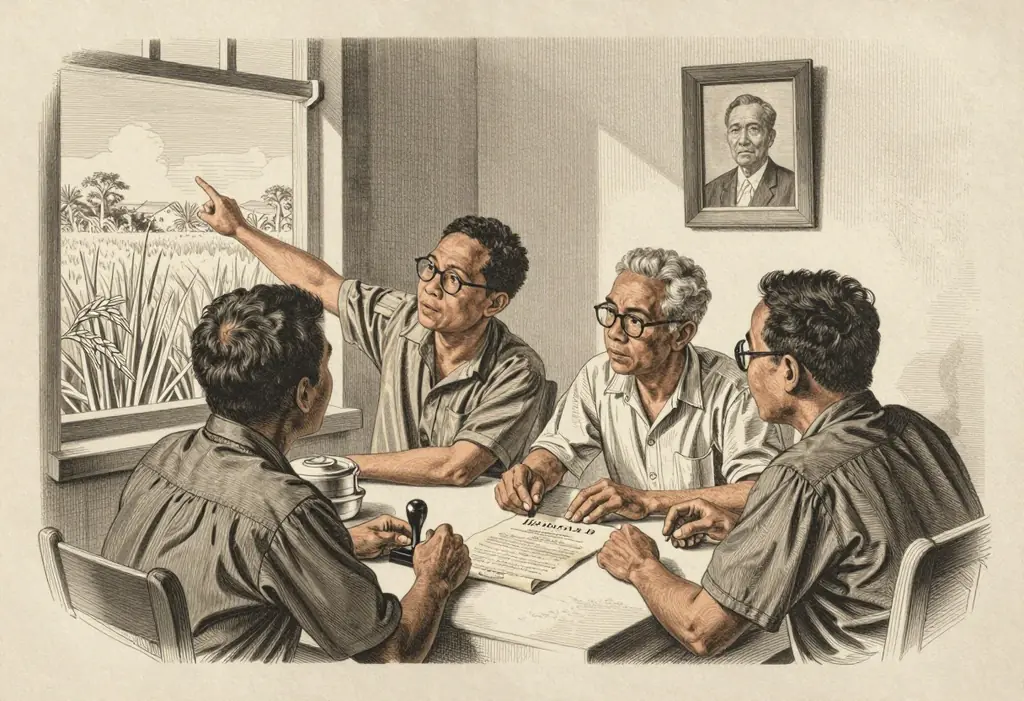 Full Plate
Caution: No will, no debts, heirs of age or represented
Rule 74, Sec. 1. Otherwise, go to court
Sign the Extrajudicial Settlement
Notarized, signed by all heirs, or an Affidavit of Self-Adjudication for a sole heir
Publish for Three Weeks
Once a week for three consecutive weeks in a newspaper of general circulation
Pay Estate and Transfer Taxes
Estate tax return due within 1 year of death; secure the BIR eCAR and pay the local transfer tax
Allowed: New Title and Tax Declaration
Register with the Register of Deeds, then update the tax declaration at the assessor
For two years after distribution, an excluded heir or a creditor can still bring the estate to court (Rule 74, Sec. 4).
Why
When there is no will, the Civil Code decides who inherits. Children inherit first, in equal shares (Articles 978–980), and grandchildren take the place of a child who died earlier (Article 982). A surviving spouse gets the same share as each legitimate child (Article 996). Illegitimate children also inherit; under Article 176 of the Family Code, each one's legitime is half that of a legitimate child. If there are no children, the parents and the surviving spouse each take half (Article 997), and if the spouse survives with only the deceased's brothers and sisters, the spouse takes half and the siblings share the other half (Article 1001).
Before dividing anything, separate what belonged to the surviving spouse. Under the Family Code, the net community or conjugal property is split equally between the spouses (Articles 102 and 129), so only the deceased spouse's half goes into the estate. If no court settlement is filed, the surviving spouse must liquidate that property, in or out of court, within one year from the death for an absolute community (Article 103) or within six months for a conjugal partnership (Article 130); if this is not done, any later disposition or encumbrance of that property is void. Until the estate is partitioned, all the heirs co-own it (Civil Code, Article 1078), and any heir may demand partition (Article 1083). If one heir sells his hereditary share to an outsider before partition, the other heirs may buy it back within one month from written notice of the sale (Article 1088).
Rule 74, Section 1 of the Rules of Court allows an out-of-court settlement if the deceased left no will and no debts, and the heirs are all of age or any minors are represented by their judicial or legal representatives. The heirs divide the estate among themselves in a public instrument filed with the Register of Deeds; a sole heir uses an affidavit of self-adjudication instead. A bond equal to the value of any personal property must be filed at the same time, and the settlement must be published in a newspaper of general circulation once a week for three consecutive weeks. A settlement does not bind any heir who did not take part in it or had no notice of it, and under Section 4, for two years after the distribution, an heir or other person unduly deprived of a share may compel the settlement of the estate in court, and unpaid debts of the estate may be charged against what the heirs received. Any waiver or renunciation of hereditary rights must also be in a public document (Civil Code, Article 1358).
Taxes come before the new title. Under the National Internal Revenue Code as amended by the TRAIN Law (RA 10963), the estate tax is 6% of the net estate (Section 84), and the estate tax return is due within one year from the death (Section 90(B)). Section 95 bars the Register of Deeds from registering any transfer of real property by inheritance unless the BIR certifies that the estate tax due has been paid. The local transfer tax must also be paid, within 60 days from the death under Section 135 of the Local Government Code, and the Register of Deeds and the assessor require proof of payment before transferring the title and tax declaration. For deaths before the TRAIN Law took effect, or if payment is long overdue, ask the BIR which rules and penalties apply and whether any estate tax amnesty is open.
If any heir refuses to sign, cannot be found, is a minor without a proper representative, or there are unpaid debts or a will, the extrajudicial route is closed. The heirs then need a court action for partition or a judicial settlement of the estate, where the court determines the heirs and their shares.
People also read
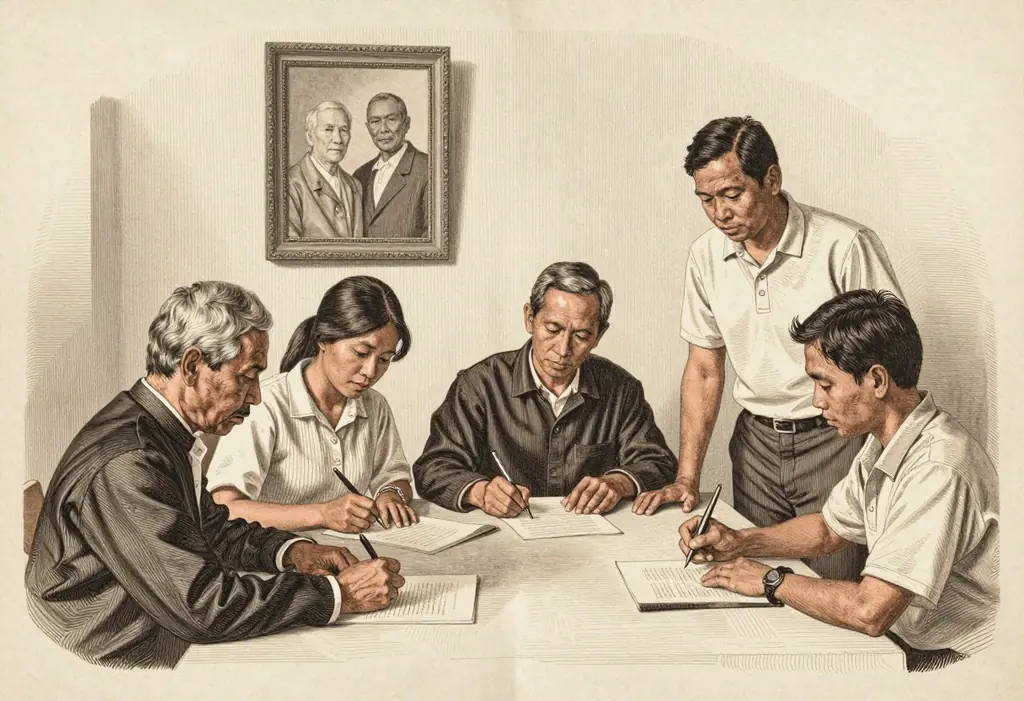
The seller is selling land inherited from their deceased parents, but the title is still in the parents' name. Is it safe to buy, and what is an Extrajudicial Settlement with Sale?
It is risky unless all legal heirs sign the Extrajudicial Settlement with Deed of Absolute Sale, estate taxes are settled with the BIR, and publication is completed. Even after registration, Section 4 of Rule 74 annotates a statutory 2-year lien on the new title protecting excluded heirs and unpaid estate creditors.
Not lawyer-reviewedRead the answer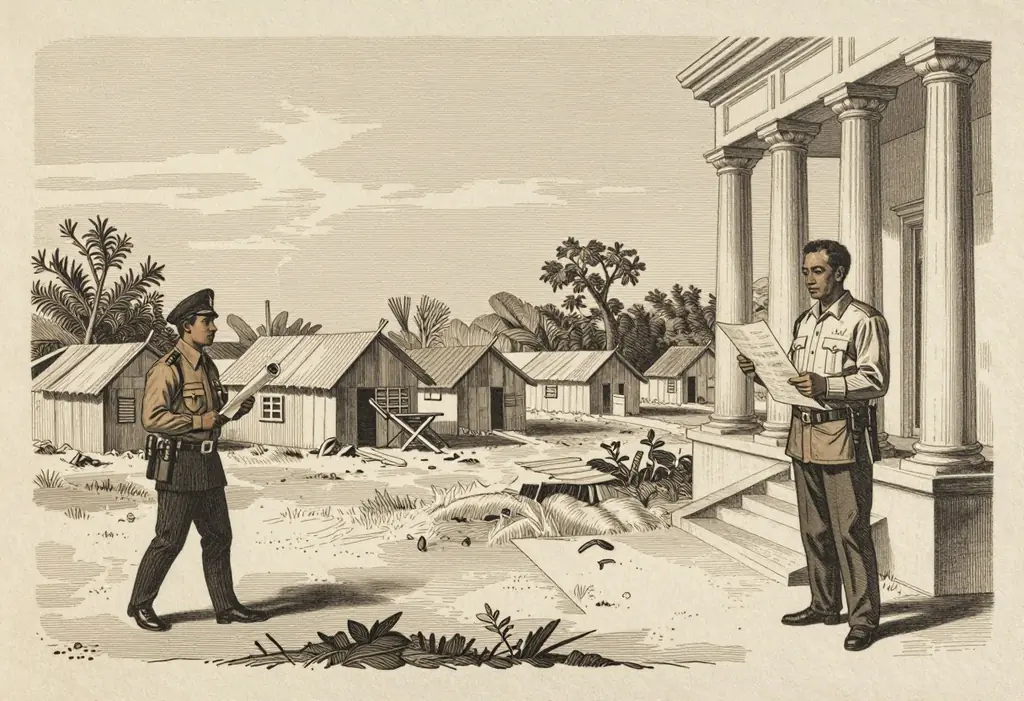
People built houses on my land without permission. How do I legally remove informal settlers?
Through the courts, not by force. Depending on how and when they entered, you file forcible entry or unlawful detainer within one year under Rule 70, or a longer case to recover possession or ownership after that; if the occupants are underprivileged and homeless, the eviction and demolition must also follow the notice, consultation, and relocation rules of Section 28 of the Urban Development and Housing Act (RA 7279). Squatting itself stopped being a crime when PD 772 was repealed, except for professional squatters and squatting syndicates.
Not lawyer-reviewedRead the answer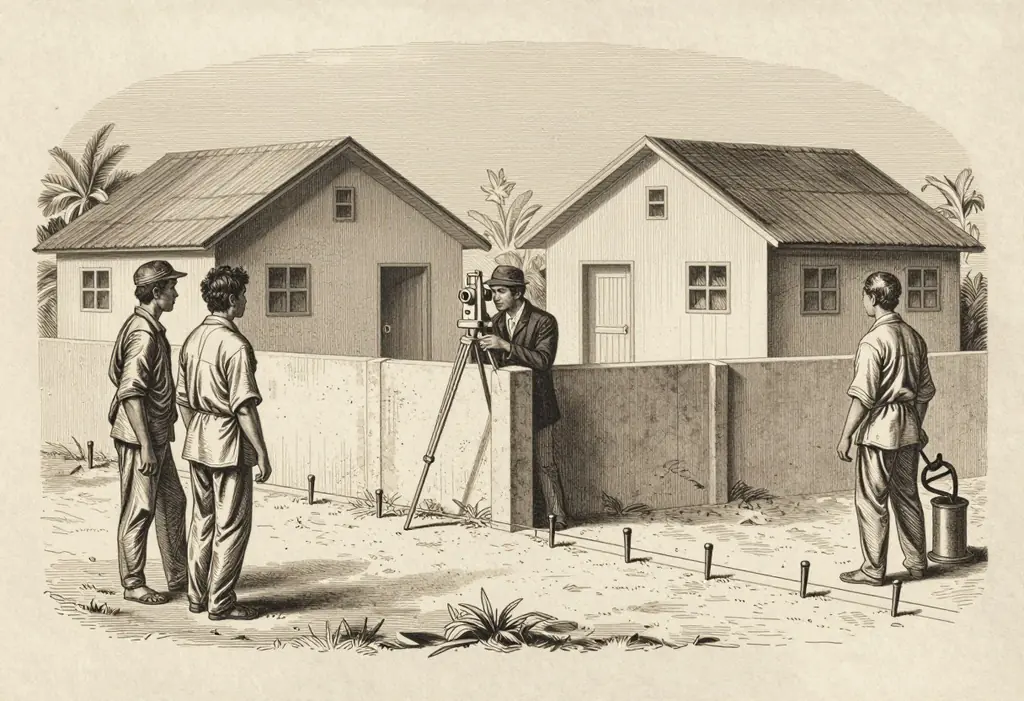
My neighbor's fence or house extension is built over our boundary line. What can I do?
First prove where the line really is, through a relocation survey by a licensed geodetic engineer based on the technical description in your title, then bring the dispute to the barangay where the land is. If that fails, a court can order the encroached portion returned; what happens to a structure on your side depends on whether it was built in good or bad faith (Civil Code, Arts. 448–453).
Not lawyer-reviewedRead the answer
The seller only has a tax declaration, or is selling 'rights', not a land title. Is it safe to buy the land?
It is risky. A tax declaration is a record for real property tax, not a certificate of title; at most it supports a claim of ownership, and a seller of 'rights' may be selling only possession of land that belongs to someone else or to the government. If you still buy, first verify the land's status and the seller's chain of ownership, use a notarized deed of sale, and record it with the Register of Deeds.
Not lawyer-reviewedRead the answer