General information, not legal advice. This answer was written by the PhilippineLaws team from the law it cites and checked for accuracy to the best of our knowledge, last on Sep 21, 2026. It has not been reviewed by a lawyer. Read the cited law yourself, and for your own situation talk to a lawyer or the Public Attorney’s Office (PAO).
There are charges on my credit card, or transfers out of my bank or e-wallet account, that I never made. Will the bank or e-wallet have to return my money?
Report it to your bank, card issuer or e-wallet immediately and dispute it in writing. While the dispute is being investigated, the provider must suspend interest, fees and charges on the disputed amount under the Financial Products and Services Consumer Protection Act (Republic Act No. 11765). Under the Anti-Financial Account Scamming Act (Republic Act No. 12010), the provider must restore your funds if it failed to use adequate security controls or the highest degree of diligence, and no criminal conviction is needed for that. For credit cards, charges made before you report a lost or stolen card are generally for your account, so speed matters.
Illustrated Legal Brief
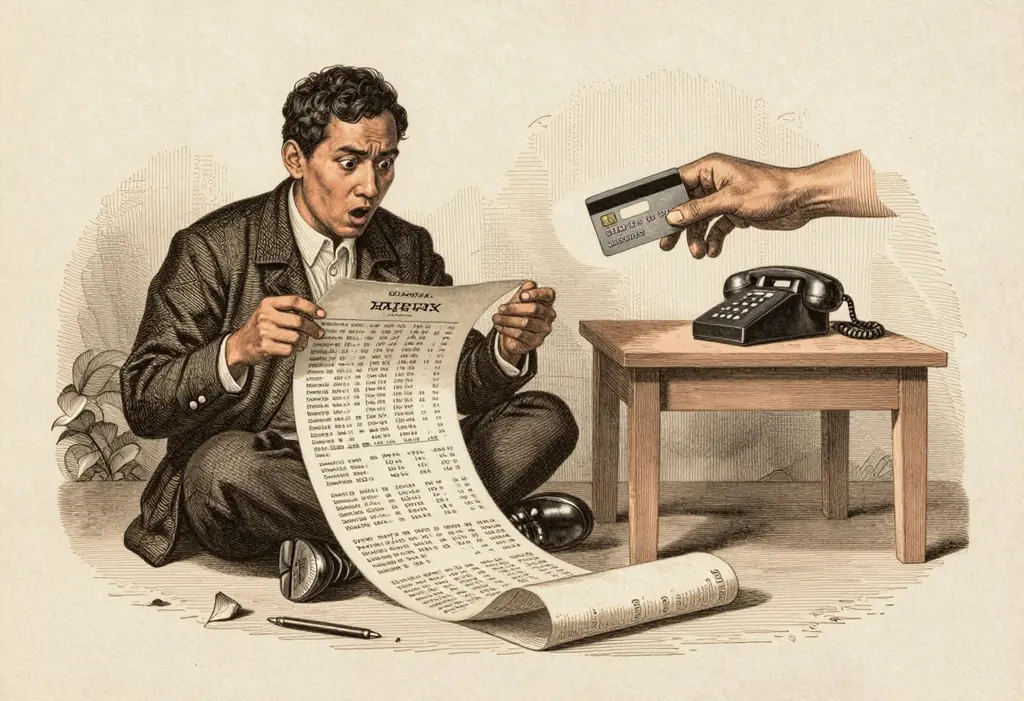 Full Plate
- Minutes
Not allowed: Lock and report
Block the card or account and report to the provider; lost-card charges before your report are generally yours
- Same day
Caution: Written dispute
File through the official consumer assistance channel and get a reference number
- Up to 30 days
Funds may be held
Institutions may temporarily hold disputed funds for up to 30 calendar days while the transaction is verified
- During investigation
Allowed: No interest or fees
Provider must suspend interest, fees and charges on the disputed amount
- If denied
Allowed: Elevate to the BSP
The BSP can adjudicate reimbursement claims of up to ₱10,000,000
Credit card billing disputes must be raised within 30 calendar days from the statement date.
Why
Two laws do most of the work. The Financial Products and Services Consumer Protection Act (Republic Act No. 11765, 2022) covers banks, e-money issuers, credit card issuers, lending and financing companies and other providers under the BSP, SEC, Insurance Commission or CDA. Section 2 lists the consumer's rights, including protection of consumer assets against fraud and misuse, and timely handling and redress of complaints. The Anti-Financial Account Scamming Act (AFASA, Republic Act No. 12010, 2024) covers deposit, credit card, e-wallet and other financial accounts with BSP-supervised institutions (Section 3(d)).
While your dispute is pending, you should not be charged for it. Section 8(f) of Republic Act No. 11765 requires every provider to have a free consumer assistance mechanism, and 'in the case of alleged disputed amount or unauthorized transactions,' pending its final investigation report, to suspend the imposition of interest, fees and charges or provide similar reasonable accommodations. For credit cards specifically, Section 18 of the Credit Card Industry Regulation Law (Republic Act No. 10870) gives you up to 30 calendar days from the statement date to report a billing error or discrepancy, and the issuer must act within ten business days of your notice.
Whether you get the money back depends largely on the provider's security. Section 6 of AFASA requires institutions to protect account access with adequate risk management controls such as multi-factor authentication and fraud management systems. An institution that fails to employ adequate controls, or fails to exercise the highest degree of diligence in preventing loss from the offences under the Act, is liable to restore the funds to the account owner, and conviction of the fraudster is not a prerequisite. But an institution the BSP finds compliant with those requirements is not liable. Section 7 also lets institutions temporarily hold funds in a disputed transaction for up to 30 calendar days, unless a court extends it, and Section 9 makes an institution that fails to hold funds as required liable for the resulting loss.
Your own diligence also counts. Under AFASA's Section 4(b), obtaining your password, OTP or card details by pretending to be your bank, or through electronic messages, is a crime by the scammer. But if you handed over your OTP yourself, the provider may argue it was not at fault. For credit cards, Section 15 of Republic Act No. 10870 says that when a card is lost or stolen, any transaction made before you report it to the issuer is for the cardholder's account. That is why reporting within minutes, not days, makes a real difference.
If the provider's answer is unsatisfactory, you may elevate the complaint to its regulator, which for banks, e-wallets and credit card issuers is the BSP (Section 8(f), Republic Act No. 11765). Under Section 6(f), the BSP and SEC can adjudicate purely civil claims for payment or reimbursement of up to ₱10,000,000, and their decisions are final and executory, subject only to certiorari. Contract terms cannot take these rights away: Section 12 voids any provision that waives your right to sue or to have your complaint addressed and resolved. Unauthorized use of your card or account details can also be access device fraud under Republic Act No. 8484 as amended by Republic Act No. 11449, which requires card issuers to investigate reported fraud and report the results to the NBI and the PNP Anti-Cybercrime Group.
People also read
Collection agencies and online loan apps are threatening police arrest, texting my employer, and posting on social media about my unpaid debt. Is this illegal harassment?
Yes, it is illegal. Under the 1987 Constitution, no person may be imprisoned for debt, and SEC Memorandum Circular No. 18 (2019) and BSP regulations strictly prohibit threats of violence or arrest, contacting third parties without consent, using profane slurs, and public shaming on social media.
Not lawyer-reviewedRead the answer
I was scammed through GCash or online bank transfer. How can I recover my money and file criminal charges?
Report the fraud to GCash or your bank's fraud desk right away and ask them to hold the disputed funds in the recipient account, then file a cybercrime report with the PNP Anti-Cybercrime Group (PNP-ACG) or NBI Cybercrime Division. Recovery is not guaranteed and depends largely on whether the money is still in the recipient account. Under the Anti-Financial Account Scamming Act (AFASA / RA 12010) and the Cybercrime Prevention Act, scammers and money mules can face imprisonment and fines.
Not lawyer-reviewedRead the answer
Can I recover money sent by accident to the wrong GCash or Maya number, and can the recipient legally keep it?
No, the recipient cannot legally keep the money. Under the Civil Code principle of solutio indebiti, anyone who receives money delivered by mistake has a legal obligation to return it. Keeping and spending it after notice can constitute unjust enrichment or civil fraud, but you must act quickly with the e-wallet provider and your bank before the funds are withdrawn.
Not lawyer-reviewedRead the answer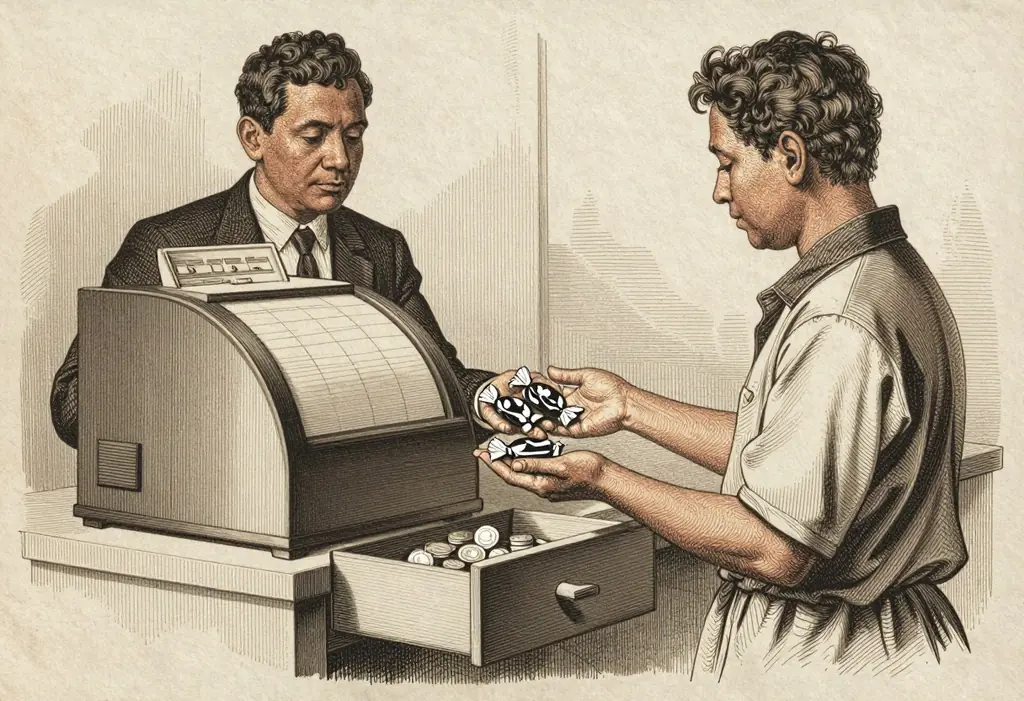
Can stores give candy instead of change or refuse to give exact change?
No. Under Republic Act No. 10909 (the No Shortchange Act of 2016), it is illegal for any business establishment to shortchange a consumer, fail to provide exact change down to the last centavo, or substitute candy or other goods for cash. Violating businesses face progressive administrative fines up to ₱25,000 and total revocation of their mayor's permit.
Not lawyer-reviewedRead the answer