General information, not legal advice. This answer was written by the PhilippineLaws team from the law it cites and checked for accuracy to the best of our knowledge, last on Sep 22, 2026. It has not been reviewed by a lawyer. Read the cited law yourself, and for your own situation talk to a lawyer or the Public Attorney’s Office (PAO).
Collection agencies and online loan apps are threatening police arrest, texting my employer, and posting on social media about my unpaid debt. Is this illegal harassment?
Yes, it is illegal. Under the 1987 Constitution, no person may be imprisoned for debt, and SEC Memorandum Circular No. 18 (2019) and BSP regulations strictly prohibit threats of violence or arrest, contacting third parties without consent, using profane slurs, and public shaming on social media.
Illustrated Legal Brief
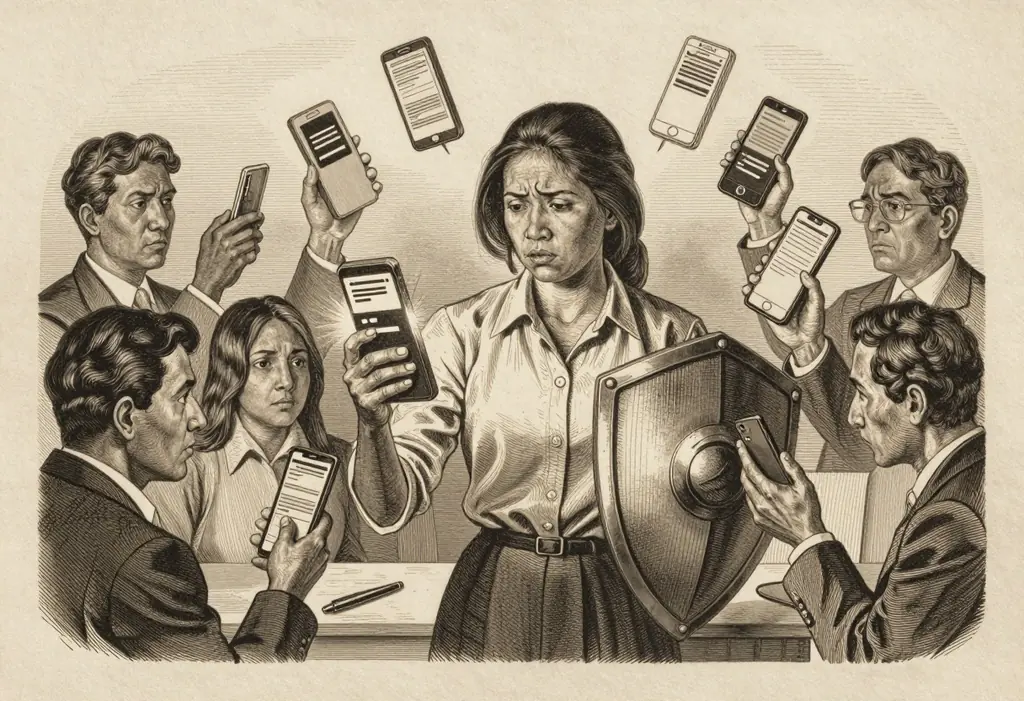 Full Plate
- Sending polite demand letters to debtor's stated address or email
- Calling the debtor between 6:00 AM and 10:00 PM
- Negotiating payment restructuring, waivers, or settlements
- Filing a civil case in court for collection of a sum of money
- Threatening police arrest, prison, or confiscation of belongings
- Contacting employers, friends, or relatives not bound as co-makers
- Posting public shaming notices or debt alerts on social media
- Using curses, insults, or falsely posing as attorneys or court sheriffs
Non-payment of civil debt is never a crime in the Philippines. Report abusive collectors to SEC, BSP, and NPC.
Why
The bedrock constitutional rule is Article III, Section 20 of the 1987 Philippine Constitution: 'No person shall be imprisoned for debt or non-payment of a poll tax.' Inability to pay a credit card balance, personal bank loan, or financing app amortization is purely a civil contractual breach, not a criminal offense. Creditors can sue in court for collection of a sum of money, but debt collectors who threaten arrest, police raids, or criminal prosecution commit grave threats or extortion.
The Securities and Exchange Commission (SEC) enacted Memorandum Circular No. 18, Series of 2019, penalizing unfair debt collection practices by financing and lending companies and their third-party collectors. Forbidden acts include: (1) use or threat of violence or physical harm, (2) use of obscene, profane, or abusive language, (3) public disclosure or posting of names and debts on social media or group chats, (4) contacting people in the debtor's contact list who are not co-makers or guarantors, and (5) threatening actions that cannot legally be taken (such as immediate arrest or revocation of passports).
For banks and credit card issuers, the Bangko Sentral ng Pilipinas (BSP) regulates collection practices under BSP Circular No. 454 and the Financial Products and Services Consumer Protection Act (RA 11765). Financial institutions and their outsourced agencies are prohibited from contacting debtors before 6:00 AM or after 10:00 PM, calling employers to disrupt business operations, or misrepresenting themselves as lawyers, court sheriffs, or police investigators.
Digital loan apps that scrape a borrower's phone contacts and broadcast shaming messages violate the Data Privacy Act of 2012 (RA 10173). The National Privacy Commission (NPC) has repeatedly ordered the suspension, blacklisting, and prosecution of predatory lending applications for unauthorized processing of personal information and malicious disclosure.
Beyond administrative fines, abusive collectors face direct criminal liabilities under the Revised Penal Code: Grave Coercion (Art. 286) for attempting to compel actions without legal authority, Unjust Vexation (Art. 287) for persistent distress, and Cyberlibel under the Cybercrime Prevention Act (RA 10175) for public shaming online.
People also read
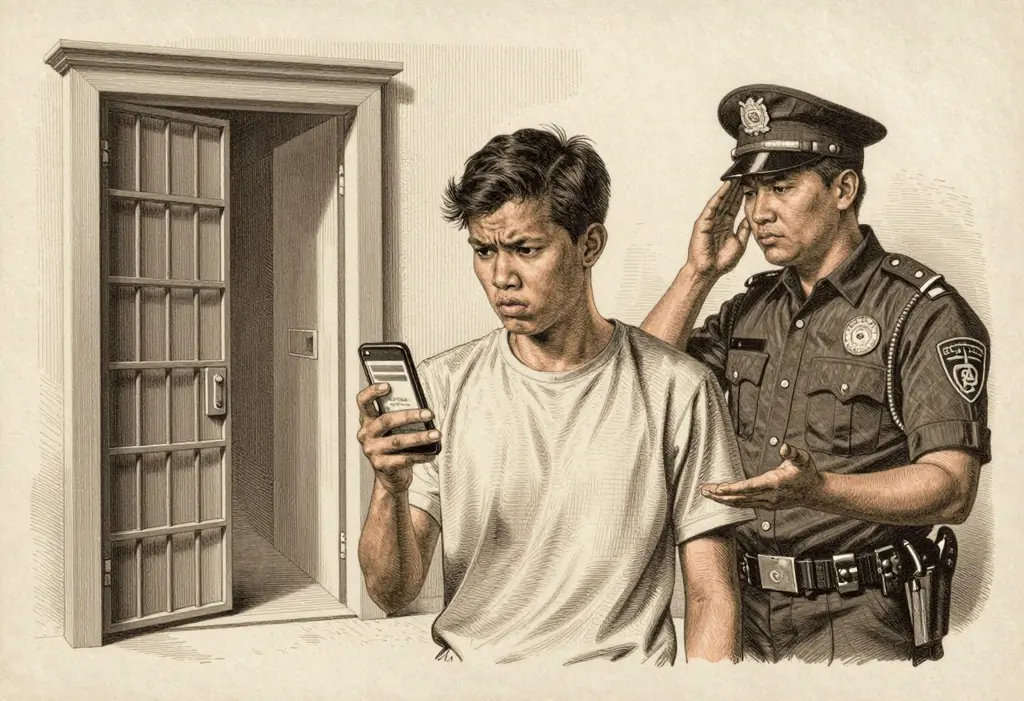
Can an online lending app have me arrested for an unpaid loan?
No, not for the unpaid loan itself. The Constitution states that no person shall be imprisoned for debt, so simply failing to pay a loan is a civil matter and cannot put you in jail. The picture changes only if there was a separate crime, such as a bounced check or fraud in getting the loan. A lender or collection agent who threatens you with arrest, shames you to your phone contacts, or posts your photo online may itself be breaking SEC rules and the Data Privacy Act.
Not lawyer-reviewedRead the answer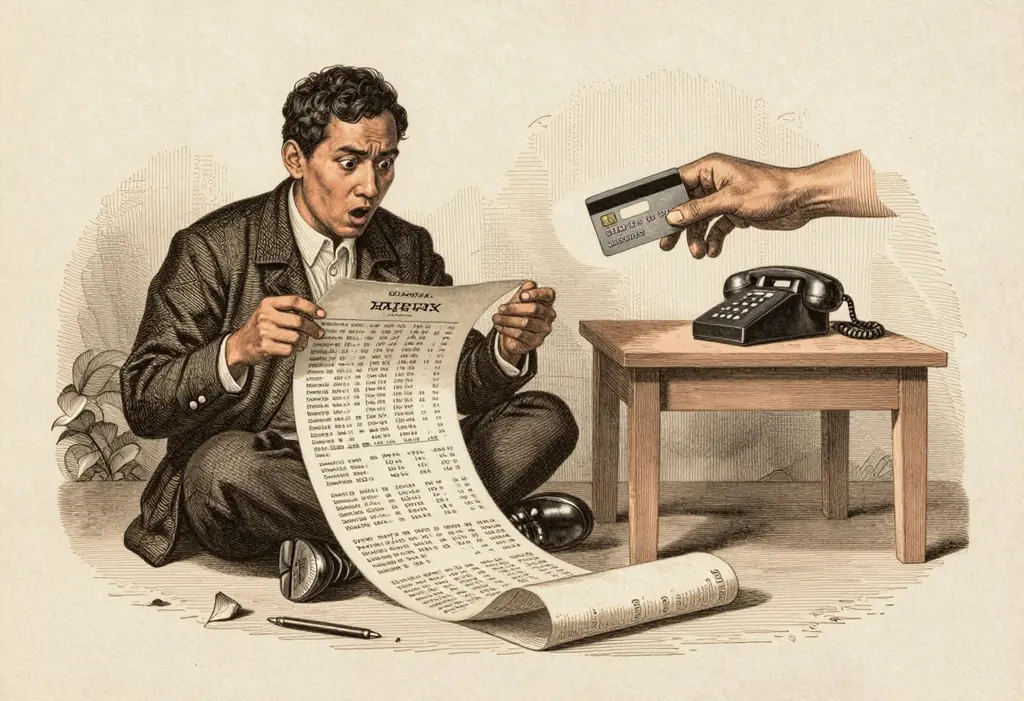
There are charges on my credit card, or transfers out of my bank or e-wallet account, that I never made. Will the bank or e-wallet have to return my money?
Report it to your bank, card issuer or e-wallet immediately and dispute it in writing. While the dispute is being investigated, the provider must suspend interest, fees and charges on the disputed amount under the Financial Products and Services Consumer Protection Act (Republic Act No. 11765). Under the Anti-Financial Account Scamming Act (Republic Act No. 12010), the provider must restore your funds if it failed to use adequate security controls or the highest degree of diligence, and no criminal conviction is needed for that. For credit cards, charges made before you report a lost or stolen card are generally for your account, so speed matters.
Not lawyer-reviewedRead the answer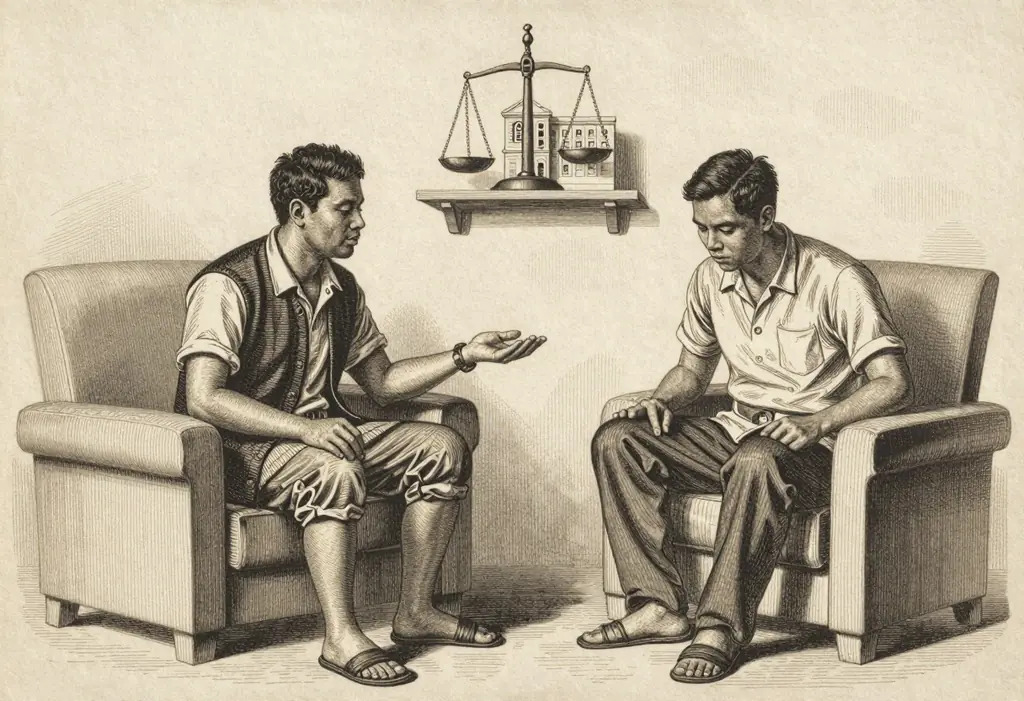
Someone borrowed money from me and won't pay it back. Can I file estafa and have them jailed?
Usually not. Failing to pay a loan is a civil matter, because the Constitution says no one may be imprisoned for debt; estafa applies only when there was deceit at the start, such as a fake identity or invented property used to get the money, or when money handed over in trust for a specific purpose was misappropriated. For an ordinary unpaid utang, the remedy is a written demand, barangay conciliation, and a collection case such as small claims.
Not lawyer-reviewedRead the answer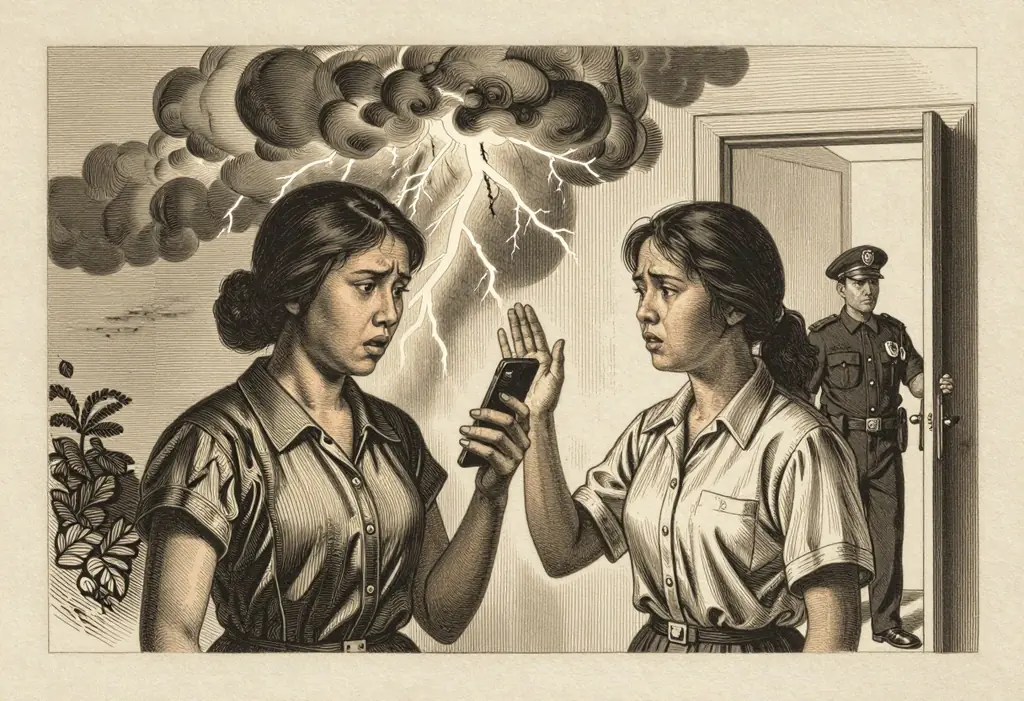
Someone keeps threatening me by text and chat, saying they'll hurt me or my family. Is that a crime, and what can I do?
Yes, it can be. Threatening to inflict on you or your family, or on your property, a wrong that would itself be a crime, such as killing, hurting, or burning, is grave threats under Article 282 of the Revised Penal Code; threats of lesser wrongs are light threats or other light threats. When the threat is sent through text, chat, or social media, the Cybercrime Prevention Act raises the penalty by one degree, so save the messages and report them.
Not lawyer-reviewedRead the answer