General information, not legal advice. This answer was written by the PhilippineLaws team from the law it cites and checked for accuracy to the best of our knowledge, last on Sep 21, 2026. It has not been reviewed by a lawyer. Read the cited law yourself, and for your own situation talk to a lawyer or the Public Attorney’s Office (PAO).
Can an online lending app have me arrested for an unpaid loan?
No, not for the unpaid loan itself. The Constitution states that no person shall be imprisoned for debt, so simply failing to pay a loan is a civil matter and cannot put you in jail. The picture changes only if there was a separate crime, such as a bounced check or fraud in getting the loan. A lender or collection agent who threatens you with arrest, shames you to your phone contacts, or posts your photo online may itself be breaking SEC rules and the Data Privacy Act.
Illustrated Legal Brief
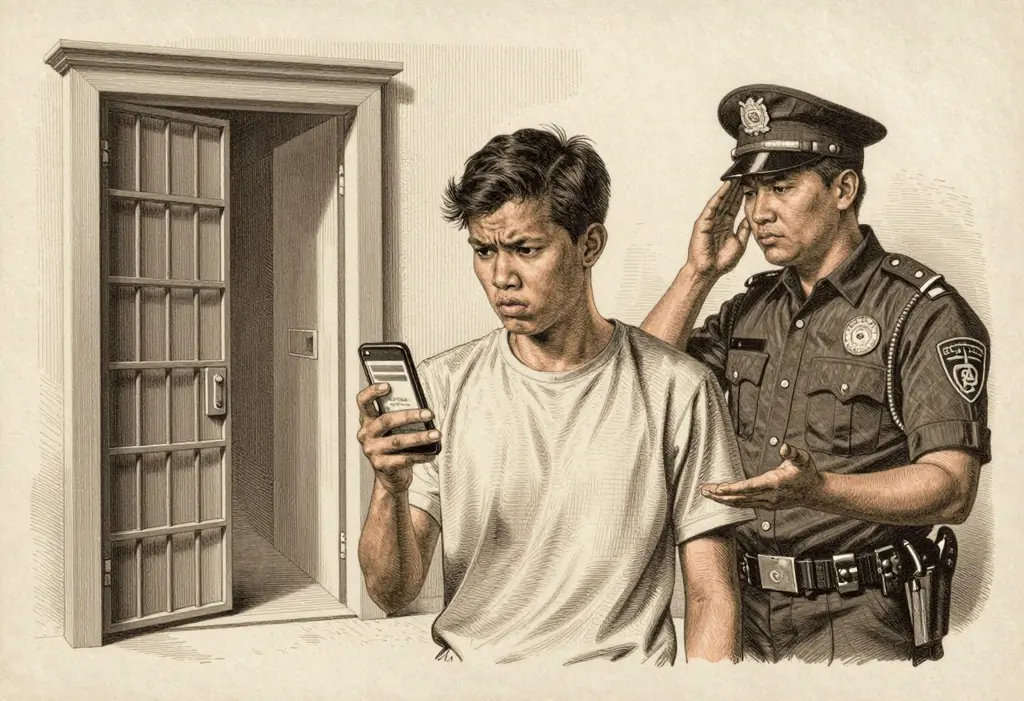 Full Plate
Allowed: Document the Harassment
Capture unedited screenshots of text messages, call recordings, and contact list shaming
Allowed: Know Your Rights
Under Art. III Sec. 20 of the Constitution, no one can be imprisoned for simply not paying a debt
Report to Regulatory Agencies
File formal complaints with the SEC for MC 18-2019 violations and the NPC for privacy breaches
Caution: Do Not Take New Debt
Never borrow from a second lending app to pay the first predatory lender
Threatening arrest over an unpaid online loan is an intimidation tactic that SEC rules on unfair debt collection prohibit.
Why
Article III, Section 20 of the 1987 Constitution states: 'No person shall be imprisoned for debt or non-payment of a poll tax.' A lender's sole legal remedy for non-payment of a loan is to file a civil collection case in court, which can result in a monetary judgment enforceable against your garnishable property—never in an arrest warrant, handcuffs, or jail time for the debt itself.
The narrow exceptions people confuse this with are issuing a bouncing check under Batas Pambansa Blg. 22, or Estafa under Article 315 of the Revised Penal Code. Those crimes punish the specific deceit or fraud of issuing worthless checks or taking money through false pretenses. Defaulting on an online personal loan that you took in good faith is neither of those crimes.
Abusive debt collection is prohibited. SEC Memorandum Circular No. 18, Series of 2019 bars lending and financing companies and their collection agents from using threats of violence, profane or insulting language, publicly disclosing borrowers' names as non-payers, threatening action that cannot legally be taken, falsely presenting themselves as lawyers, court officers or government agents, and contacting people in your contact list who are not named as your co-makers or guarantors. Violations can lead to SEC fines and, for repeated or serious violations, suspension or revocation of the company's authority to operate.
Separately, using your phone's address book and photos to shame you can violate Republic Act No. 10173 (the Data Privacy Act of 2012). Personal information may only be processed for a declared, legitimate purpose and in a proportionate way (Sec. 11), and processing for unauthorized purposes and malicious or unauthorized disclosure are crimes under the Act (Secs. 28, 31 and 32). Clicking 'allow' on an app permission does not make debt-shaming a legitimate purpose. The National Privacy Commission (NPC) has taken action against lending apps for this behavior, including awarding damages and recommending criminal prosecution.
People also read
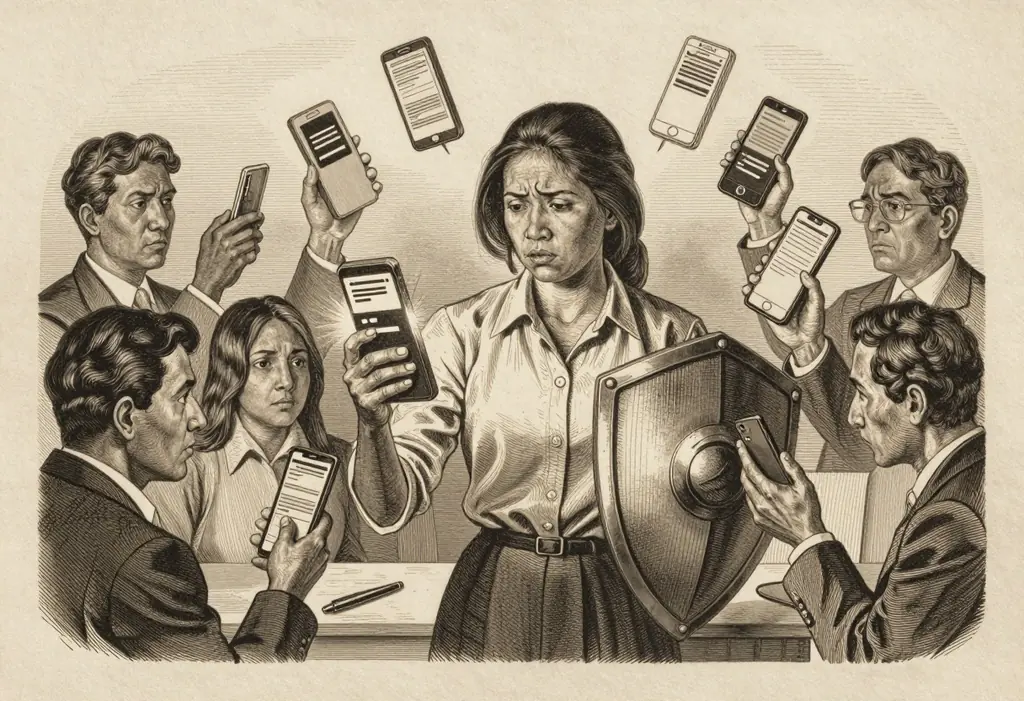
Collection agencies and online loan apps are threatening police arrest, texting my employer, and posting on social media about my unpaid debt. Is this illegal harassment?
Yes, it is illegal. Under the 1987 Constitution, no person may be imprisoned for debt, and SEC Memorandum Circular No. 18 (2019) and BSP regulations strictly prohibit threats of violence or arrest, contacting third parties without consent, using profane slurs, and public shaming on social media.
Not lawyer-reviewedRead the answer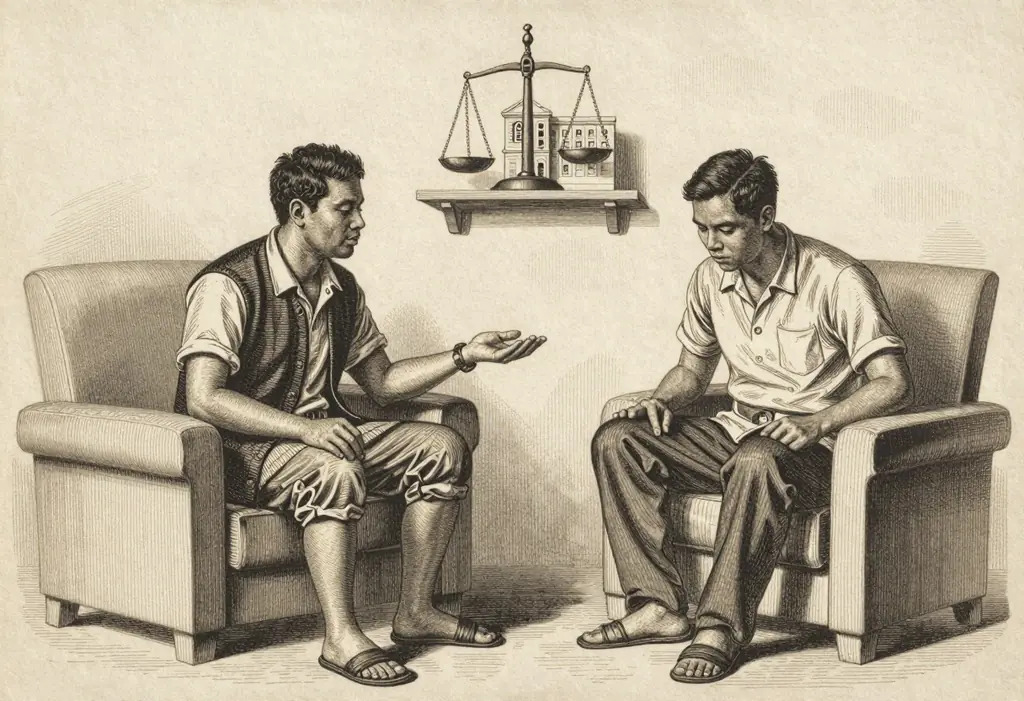
Someone borrowed money from me and won't pay it back. Can I file estafa and have them jailed?
Usually not. Failing to pay a loan is a civil matter, because the Constitution says no one may be imprisoned for debt; estafa applies only when there was deceit at the start, such as a fake identity or invented property used to get the money, or when money handed over in trust for a specific purpose was misappropriated. For an ordinary unpaid utang, the remedy is a written demand, barangay conciliation, and a collection case such as small claims.
Not lawyer-reviewedRead the answer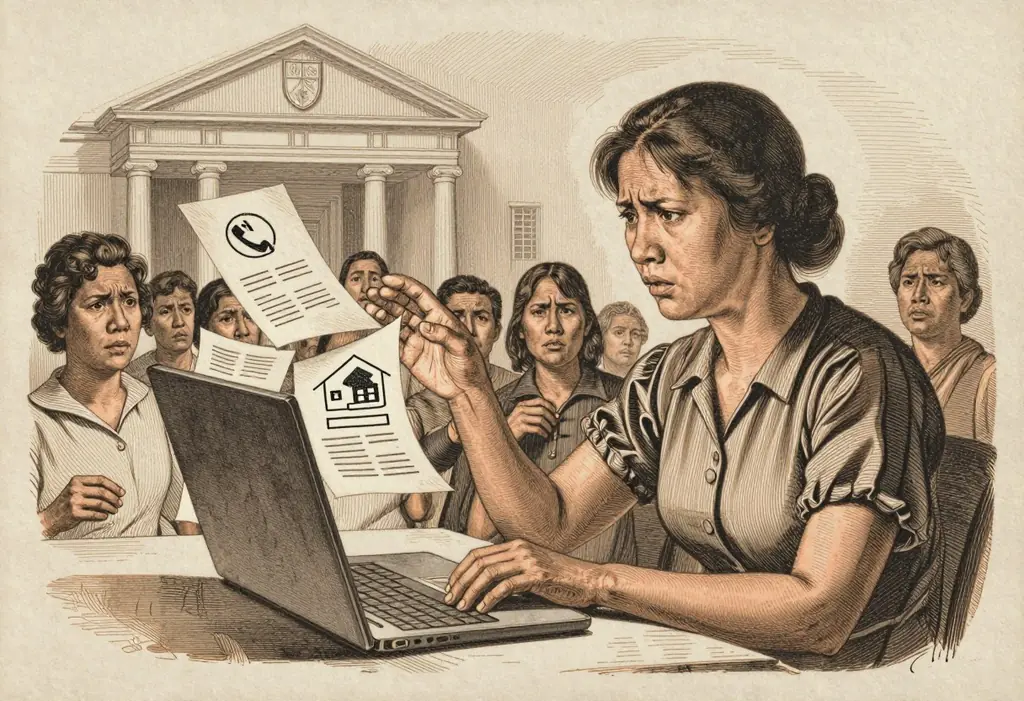
Someone posted my private chat, phone number, and address online. Can I sue for doxxing?
Yes. Publishing your private mobile number, residential address, or intimate chat messages online without your consent is illegal under the Data Privacy Act of 2012 (Republic Act No. 10173) and carries higher penalties under the Cybercrime Prevention Act. You can file a formal complaint with the National Privacy Commission (NPC) and file criminal charges for unauthorized disclosure.
Not lawyer-reviewedRead the answer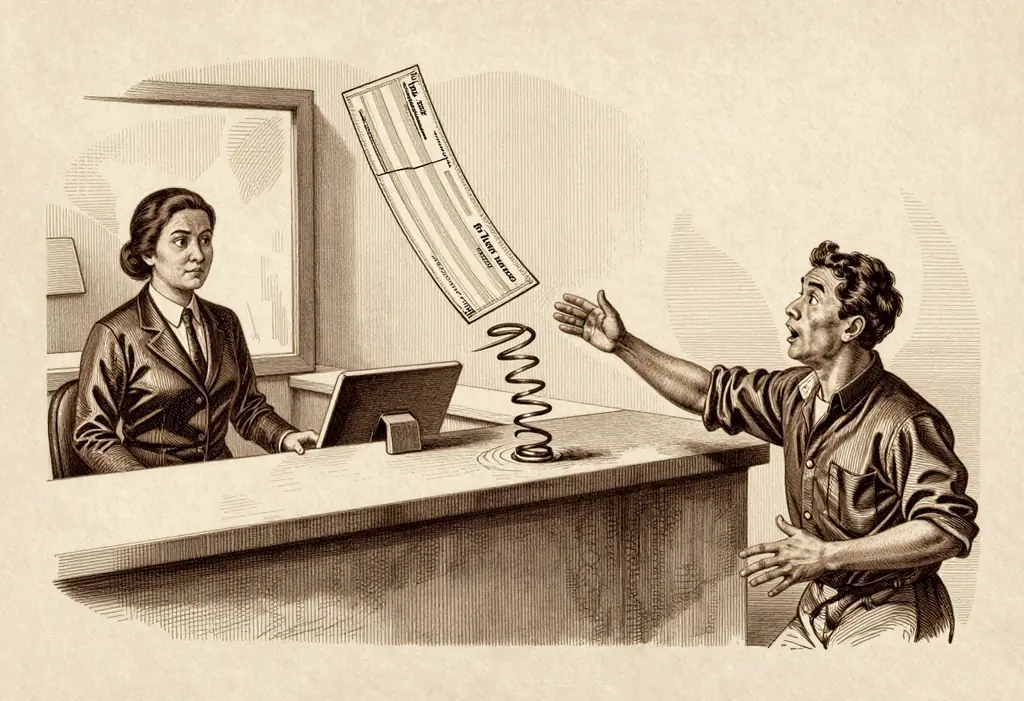
What happens if a check issued to me bounces? Can the issuer be jailed under BP 22?
Yes, it can happen. Issuing a check knowing you lack sufficient funds is a crime under Batas Pambansa Blg. 22 (Bouncing Checks Law), punishable by imprisonment of 30 days to one year, a fine of up to double the check's amount (capped at ₱200,000), or both. Supreme Court circulars tell judges to prefer a fine in suitable cases, but jail remains possible. To build a strong case, deposit the check within 90 days of its date and serve a written Notice of Dishonor that the issuer actually receives; the issuer then has five banking days to pay.
Not lawyer-reviewedRead the answer