General information, not legal advice. This answer was written by the PhilippineLaws team from the law it cites and checked for accuracy to the best of our knowledge, last on Sep 21, 2026. It has not been reviewed by a lawyer. Read the cited law yourself, and for your own situation talk to a lawyer or the Public Attorney’s Office (PAO).
Someone owes me money and refuses to pay. How do I sue in Small Claims Court without a lawyer?
You can file a Statement of Claim in the first-level court (Metropolitan or Municipal Trial Court) for money claims up to ₱1,000,000 (excluding interest and costs) without hiring a lawyer. Lawyers may not appear for a party at the hearing, and the judge decides promptly after a single hearing. The decision is final and cannot be appealed.
Illustrated Legal Brief
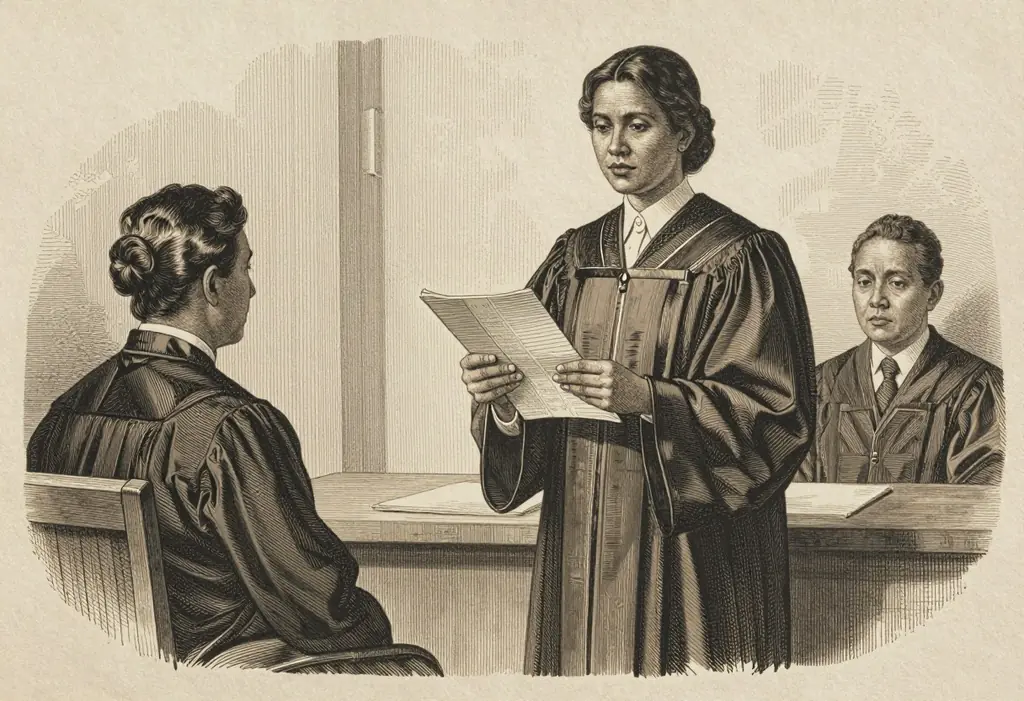 Full Plate
Gather Evidence & Demand
Compile promissory notes, chat logs, and proof that debtor received your written demand
Barangay Clearance
Obtain a Certificate to File Action if you and the debtor are individuals residing in the same city or municipality
File Statement of Claim
Submit Form 1-SCC with evidence at the Municipal/Metropolitan Trial Court Clerk of Court
Allowed: Single Informal Hearing
Appear personally before the judge without an attorney; present your documents directly
Allowed: Prompt Final Judgment
Judge decides promptly after the hearing, often the same day; the decision is final, unappealable, and executory
Money claims up to ₱1,000,000, excluding interest and costs, qualify for small claims in all first-level courts.
Why
Small claims are now governed by the Supreme Court's 2022 Rules on Expedited Procedures in the First Level Courts (A.M. No. 08-8-7-SC, effective April 11, 2022), which cover money claims not exceeding ₱1,000,000, exclusive of interest and costs, in all first-level courts: Metropolitan, Municipal, Municipal Circuit, and Municipal Trial Courts in Cities. The procedure is meant to provide ordinary citizens an accessible, expeditious, and inexpensive judicial remedy to collect money owed under contracts of loan, lease, services, sale, or mortgage without incurring hefty attorney's fees.
No lawyer may appear on behalf of a party at the small claims hearing, unless the lawyer is the plaintiff or defendant. Both the claimant (the creditor) and the defendant (the debtor) are expected to appear personally. An individual who cannot appear for a valid cause may be represented by a non-lawyer relative authorized by a Special Power of Attorney (SPA). Corporations and other juridical entities appear through an authorized officer or employee who is not a lawyer.
The process begins by completing standardized, fill-in-the-blanks forms (Form 1-SCC, Statement of Claim) available from the Clerk of Court or the Supreme Court website. You attach certified copies of your contract, promissory notes, bounced checks, text messages, receipts, or demand letters with proof of receipt. If you and the debtor are individuals residing in the same city or municipality, you must generally first undergo barangay conciliation and attach the Certificate to File Action.
After filing and paying minimal docket fees, the court issues a Summons directing the defendant to file a verified Response (Form 3-SCC) within ten (10) calendar days. The court simultaneously sets a single hearing date. During the hearing, the judge first tries to help the parties reach an amicable settlement. If that fails, the judge hears the case informally and renders a decision promptly afterwards, often on the same day.
A small claims decision is final, executory, and unappealable. Motions for reconsideration are prohibited, so the losing party cannot stall payment through an appeal; the only recourse is a special civil action for certiorari, which is limited to grave abuse of discretion. If the debtor does not pay voluntarily, the winning party can move for a Writ of Execution so a court sheriff can garnish bank accounts or levy on the debtor's non-exempt property. Winning the case does not guarantee collection if the debtor has no reachable assets.
People also read
I am a freelancer or contractor and my client refuses to pay my invoice. What are my legal remedies?
Start with a formal written demand letter. If that fails and the amount is ₱1,000,000 or less, you can file a small claims case in the first-level court (Metropolitan, Municipal or Municipal Circuit Trial Court) without a lawyer. An agreement made through proposals, emails or chat messages can be a binding contract, and the messages can be used as evidence once properly authenticated.
Not lawyer-reviewedRead the answer
Someone borrowed money from me and won't pay it back. Can I file estafa and have them jailed?
Usually not. Failing to pay a loan is a civil matter, because the Constitution says no one may be imprisoned for debt; estafa applies only when there was deceit at the start, such as a fake identity or invented property used to get the money, or when money handed over in trust for a specific purpose was misappropriated. For an ordinary unpaid utang, the remedy is a written demand, barangay conciliation, and a collection case such as small claims.
Not lawyer-reviewedRead the answer
The store has a 'No return, no exchange' sign and refuses to replace an item that turned out to be defective. Is that allowed?
Not for defective goods. Under the Consumer Act (Republic Act No. 7394), sellers are liable for defects that make a product unfit or reduce its value, and a store sign cannot waive that. You can demand repair of the defect, and if it is not fixed within 30 days, a replacement, a refund, or a price reduction. A store may, however, refuse a return if you simply changed your mind about a product that has nothing wrong with it.
Not lawyer-reviewedRead the answer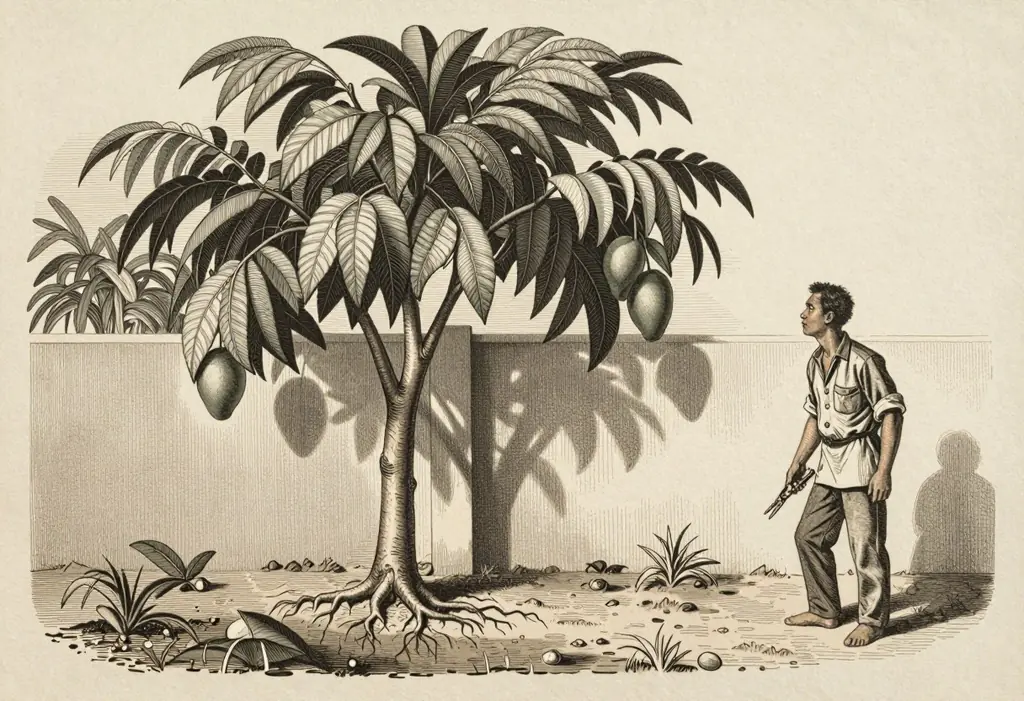
Can I cut down tree branches or roots from a neighbor's tree that cross into my property?
Under Article 680 of the Civil Code, you can cut tree roots that penetrate into your land yourself; however, you cannot cut overhanging branches on your own. You must formally demand that your neighbor cut the overhanging branches, and if they refuse, you can compel them through the barangay or court.
Not lawyer-reviewedRead the answer