General information, not legal advice. This answer was written by the PhilippineLaws team from the law it cites and checked for accuracy to the best of our knowledge, last on Sep 21, 2026. It has not been reviewed by a lawyer. Read the cited law yourself, and for your own situation talk to a lawyer or the Public Attorney’s Office (PAO).
I am a freelancer or contractor and my client refuses to pay my invoice. What are my legal remedies?
Start with a formal written demand letter. If that fails and the amount is ₱1,000,000 or less, you can file a small claims case in the first-level court (Metropolitan, Municipal or Municipal Circuit Trial Court) without a lawyer. An agreement made through proposals, emails or chat messages can be a binding contract, and the messages can be used as evidence once properly authenticated.
Illustrated Legal Brief
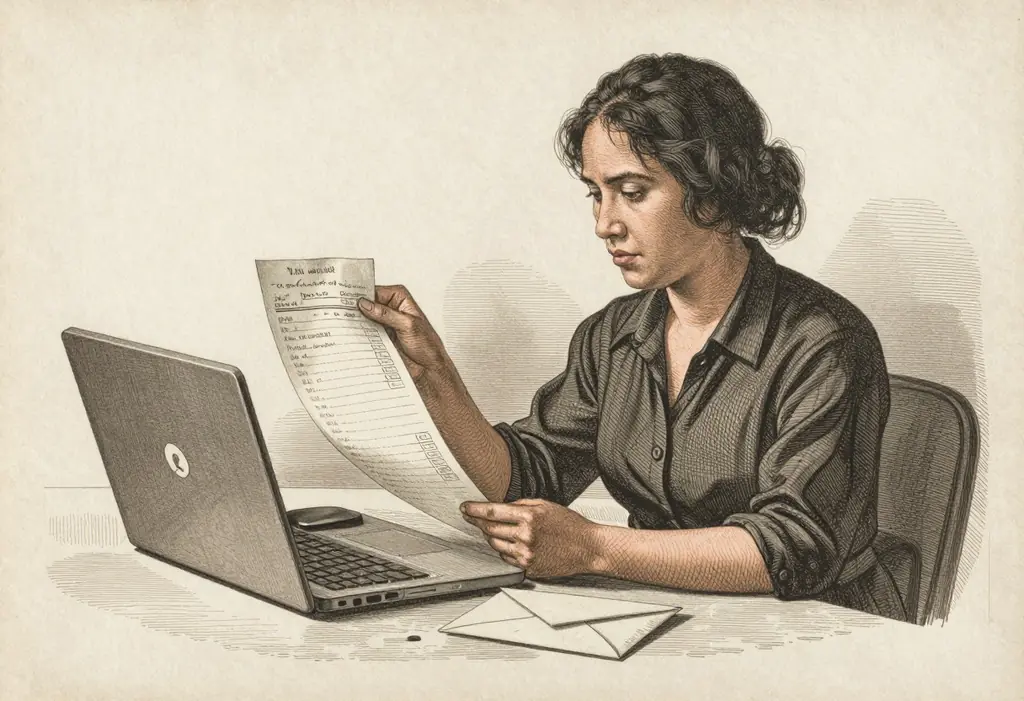 Full Plate
Assemble Project Audit Trail
Compile original proposal, chat logs, email confirmations, delivered project files, and invoices
Caution: Serve Written Demand Letter
Send formal demand giving 5 to 7 days with return receipt; places debtor in legal delay (mora)
Barangay Conciliation
Required first if you and the client are individuals living in the same city or municipality; not for corporate clients
Allowed: File Small Claims (Form 1-SCC)
Submit claim for amounts up to ₱1M in the first-level court; no lawyers at the hearing
Allowed: Writ of Execution
If the client still does not pay after judgment, move for a writ of execution so the sheriff can levy on or garnish the client's assets
Email approvals and chat threads can be used as evidence, provided you can show they are authentic and complete.
Why
Under Article 1159 of the Civil Code of the Philippines, obligations arising from contracts have the force of law between the contracting parties and must be complied with in good faith. You do not need a notarized physical paper document for a contract to exist: under Article 1315, contracts are perfected by mere consent once an offer is accepted, whether that acceptance occurred through signed engagement letters, email exchanges, or messaging apps.
Under the Electronic Commerce Act of 2000 (Republic Act No. 8792), electronic documents and electronic data messages, such as email agreements, digital invoices and chats on messaging platforms, have the same legal effect, validity and enforceability as paper documents, and cannot be refused as evidence merely because they are electronic. How much weight a court gives them depends on their reliability, so keep them complete and be ready to authenticate them under the Rules on Electronic Evidence.
Before going to court, you should place the defaulting client in legal delay ('mora solvendi') under Article 1169 by serving a formal written Demand Letter. Unless the contract or the circumstances make demand unnecessary, a debtor is generally not in delay until a demand is made, whether by letter or by filing the case, and interest generally runs only from that demand. The demand letter should outline the agreed services, the completed deliverables, invoice numbers, payment instructions, a strict deadline (such as 5 to 7 calendar days), and notice that you will claim legal interest, currently 6% per annum under BSP Circular No. 799, from the date of demand.
If the client ignores the demand letter and the principal amount claimed does not exceed ₱1,000,000, your fastest and most cost-effective remedy is filing a Statement of Claim under the Rules of Procedure for Small Claims Cases in the first-level court. Lawyers may not appear for either party at the hearing unless they are themselves a party, the procedure is summary, and the judge is expected to decide within 24 hours after the hearing. The decision is final and unappealable.
If the client paid with a check that later bounced, you may also have a criminal remedy under Batas Pambansa Blg. 22, and possibly estafa under Article 315 of the Revised Penal Code if the check was used to deceive you into doing the work in the first place.
People also read
Someone owes me money and refuses to pay. How do I sue in Small Claims Court without a lawyer?
You can file a Statement of Claim in the first-level court (Metropolitan or Municipal Trial Court) for money claims up to ₱1,000,000 (excluding interest and costs) without hiring a lawyer. Lawyers may not appear for a party at the hearing, and the judge decides promptly after a single hearing. The decision is final and cannot be appealed.
Not lawyer-reviewedRead the answer
Is a non-compete clause in my employment contract legally enforceable in the Philippines?
A non-compete clause can be enforced in the Philippines, but only if the employer shows it is reasonable: that it protects a legitimate business interest and is limited in time, place and the kind of work it bars. A restriction that is broader than the employer's interest needs, or that effectively stops you from earning a living, can be struck down as contrary to public policy. Whether yours passes depends on its wording and your job.
Not lawyer-reviewedRead the answer
Can a landlord cut off water and electricity or padlock the doors if I fail to pay rent on time?
No — self-help eviction is illegal in the Philippines. A landlord cannot padlock your door, disconnect utilities, or seize your personal belongings to force you out. Possession can only be recovered through the judicial process (ejectment) after proper demand and court judgment enforced by a sheriff.
Not lawyer-reviewedRead the answer
My neighbors blast loud karaoke late at night. What are my legal remedies in the Philippines?
Unreasonable and excessive noise can be an actionable nuisance under the Civil Code and may violate your city or municipality's anti-noise ordinance and, in some cases, the Revised Penal Code. Your first step is usually to call your barangay tanod or local police to enforce the quiet hours set by your local ordinance (often starting around 10 PM), followed by a formal complaint before the Lupong Tagapamayapa.
Not lawyer-reviewedRead the answer