General information, not legal advice. This answer was written by the PhilippineLaws team from the law it cites and checked for accuracy to the best of our knowledge, last on Sep 25, 2026. It has not been reviewed by a lawyer. Read the cited law yourself, and for your own situation talk to a lawyer or the Public Attorney’s Office (PAO).
Can a landlord cut off water and electricity or padlock the doors if I fail to pay rent on time?
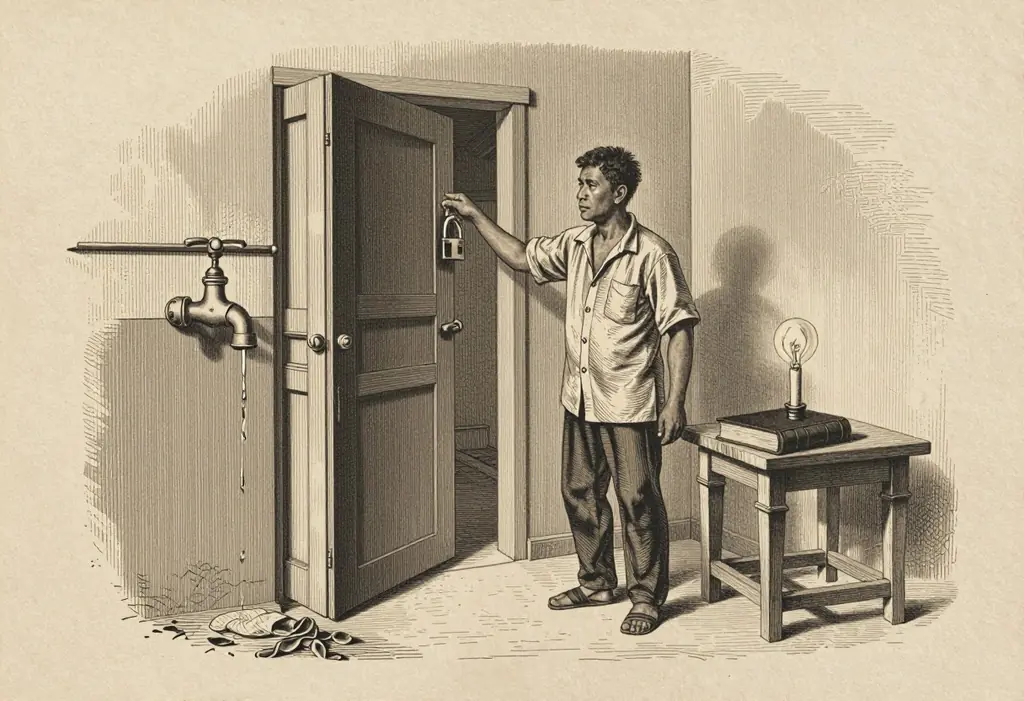
No — self-help eviction is illegal in the Philippines. A landlord cannot padlock your door, disconnect utilities, or seize your personal belongings to force you out. Possession can only be recovered through the judicial process (ejectment) after proper demand and court judgment enforced by a sheriff.
Illustrated Legal Brief
 Full Plate
- Lawful Step 1
Written Demand
Formal written notice to pay arrears and vacate within statutory period.
- Lawful Step 2
Barangay Conciliation
Mandatory confrontation before the Lupon if both parties reside in same locality.
- Lawful Step 3
MTC Ejectment Case
Court proceedings under Rule 70 with judgment enforced exclusively by a sheriff.
- Illegal
Lockouts & Disconnections
Padlocking doors, cutting utilities, or seizing property constitutes Grave Coercion.
Why
Under Article 536 of the Civil Code, in no case may possession be acquired through force or intimidation as long as there is a possessor who objects thereto. He who believes that he has an action or a right to deprive another of the holding of a thing must invoke the aid of the competent court, if the holder should refuse to deliver the thing.
When a tenant defaults on rent, the landlord's lawful remedy is to serve a formal written Demand to Pay and Vacate. If the tenant fails to vacate within the demand period, the landlord must file an action for Unlawful Detainer under Rule 70 of the Rules of Court in the Municipal Trial Court (preceded by Barangay conciliation if both parties reside in the same municipality).
Cutting off electricity or water, removing roof sheets, padlocking gates, or confiscating tenant laptops, appliances, or clothes constitutes illegal self-help and can make the landlord criminally liable for Grave Coercion (RPC Art. 286) or Unjust Vexation (RPC Art. 287), as well as civilly liable for damages under Article 32 of the Civil Code.
A lease contract clause stating that the landlord may 'forcibly enter and take possession without court proceedings' upon default is null and void as against public policy.
People also read
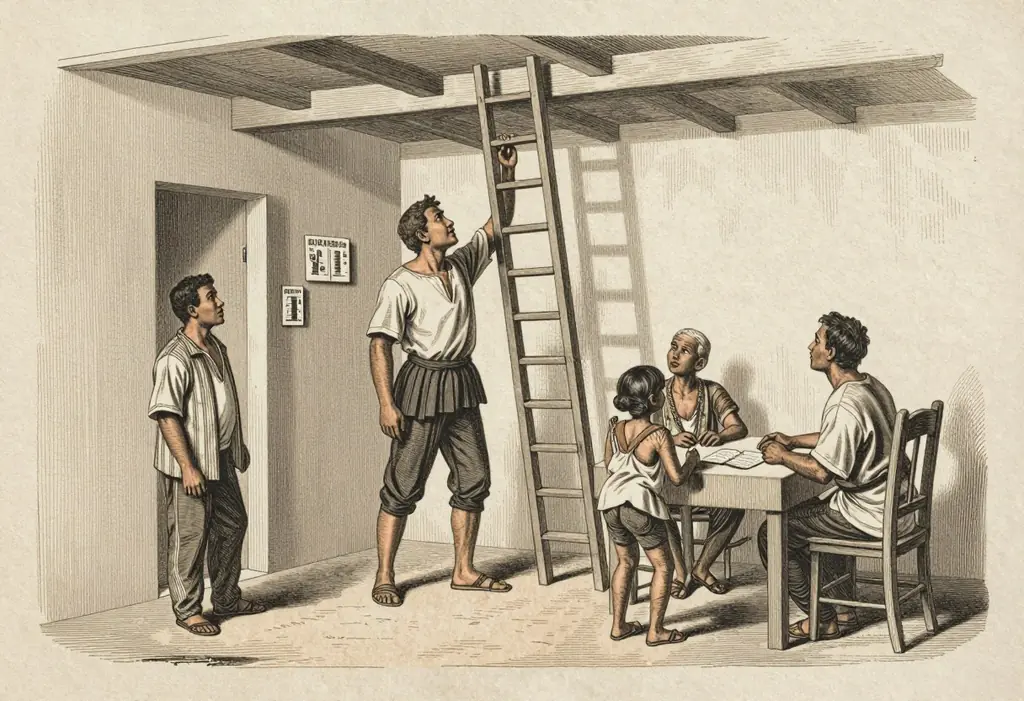
How much can a landlord increase rent each year in the Philippines?
Under Republic Act No. 9653 (the Rent Control Act) and DHSUD regulations, rent for covered residential units cannot be raised beyond the statutory annual ceiling (typically 4% to 7% for continuing tenants). Landlords are also strictly forbidden from demanding more than one month advance rent and two months security deposit.
Not lawyer-reviewedRead the answer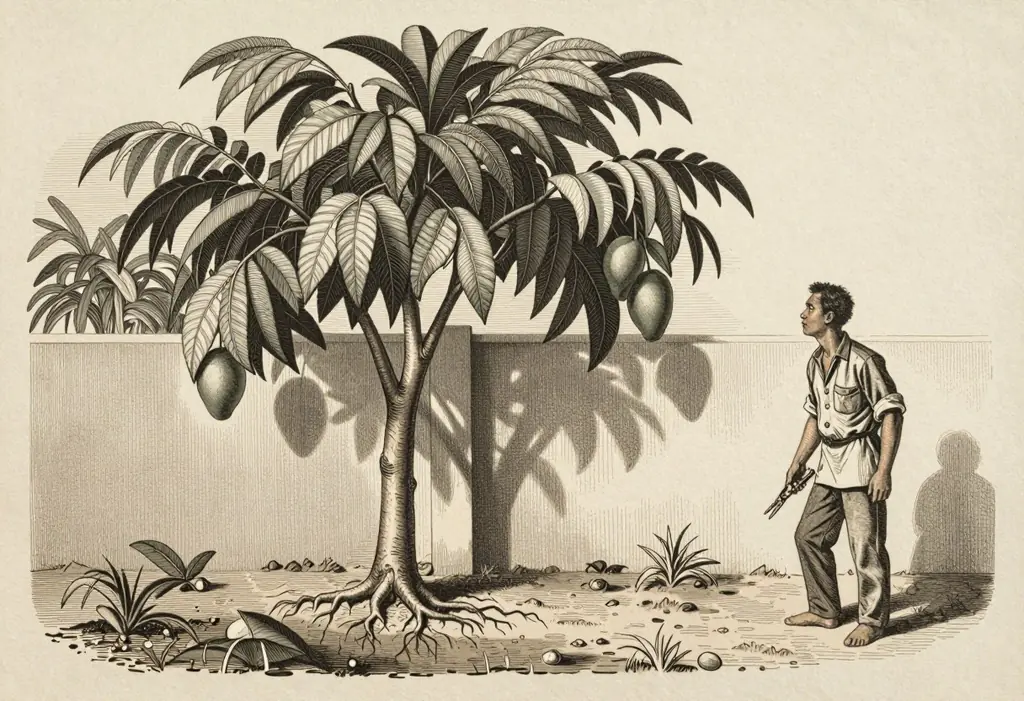
Can I cut down tree branches or roots from a neighbor's tree that cross into my property?
Under Article 680 of the Civil Code, you can cut tree roots that penetrate into your land yourself; however, you cannot cut overhanging branches on your own. You must formally demand that your neighbor cut the overhanging branches, and if they refuse, you can compel them through the barangay or court.
Not lawyer-reviewedRead the answer
People built houses on my land without permission. How do I legally remove informal settlers?
Through the courts, not by force. Depending on how and when they entered, you file forcible entry or unlawful detainer within one year under Rule 70, or a longer case to recover possession or ownership after that; if the occupants are underprivileged and homeless, the eviction and demolition must also follow the notice, consultation, and relocation rules of Section 28 of the Urban Development and Housing Act (RA 7279). Squatting itself stopped being a crime when PD 772 was repealed, except for professional squatters and squatting syndicates.
Not lawyer-reviewedRead the answer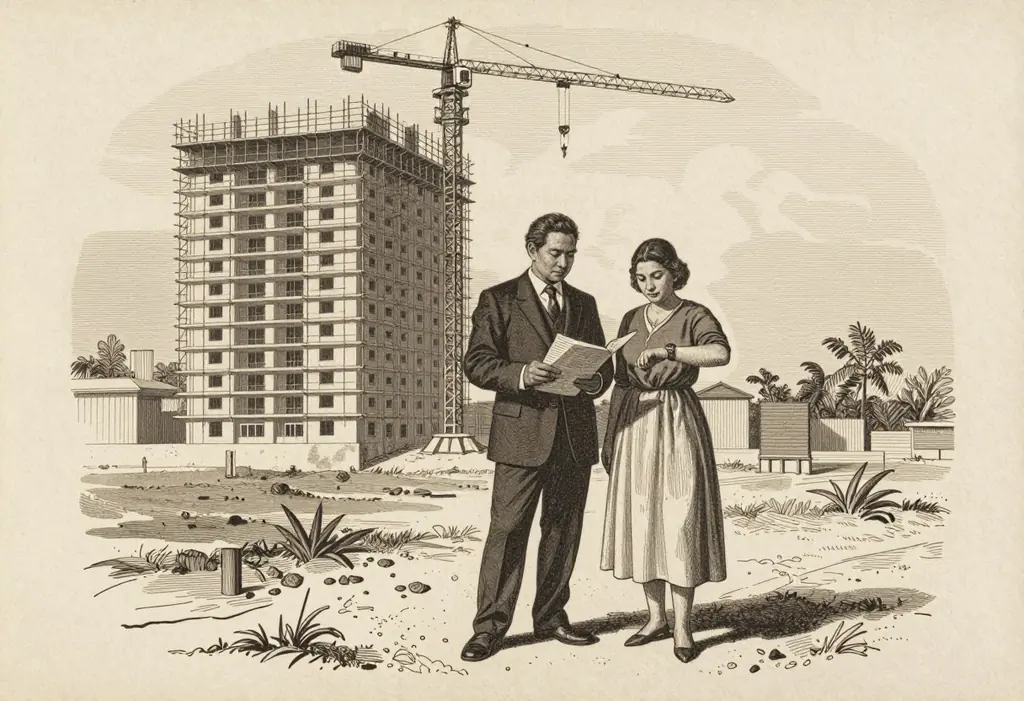
Can I get a full refund if the developer delays the turnover of my condominium or house?
Yes. Under Section 23 of Presidential Decree No. 957, if a developer fails to complete and deliver a condominium or subdivision unit within the period promised in the contract, the buyer can choose to suspend further payments after giving written notice, or demand a 100% refund of all payments made, including amortization interest, plus legal interest.
Not lawyer-reviewedRead the answer