General information, not legal advice. This answer was written by the PhilippineLaws team from the law it cites and checked for accuracy to the best of our knowledge, last on Sep 21, 2026. It has not been reviewed by a lawyer. Read the cited law yourself, and for your own situation talk to a lawyer or the Public Attorney’s Office (PAO).
Can police search inside my car, open my bag, or inspect my phone at a routine checkpoint?
Generally no. At a routine police checkpoint, the Supreme Court limits the inspection to a visual look into the vehicle. Without a warrant, officers may not open your doors, glove compartment, or trunk, search your bags, or go through your phone unless there is probable cause (specific facts pointing to a crime) or you freely and voluntarily consent.
Illustrated Legal Brief
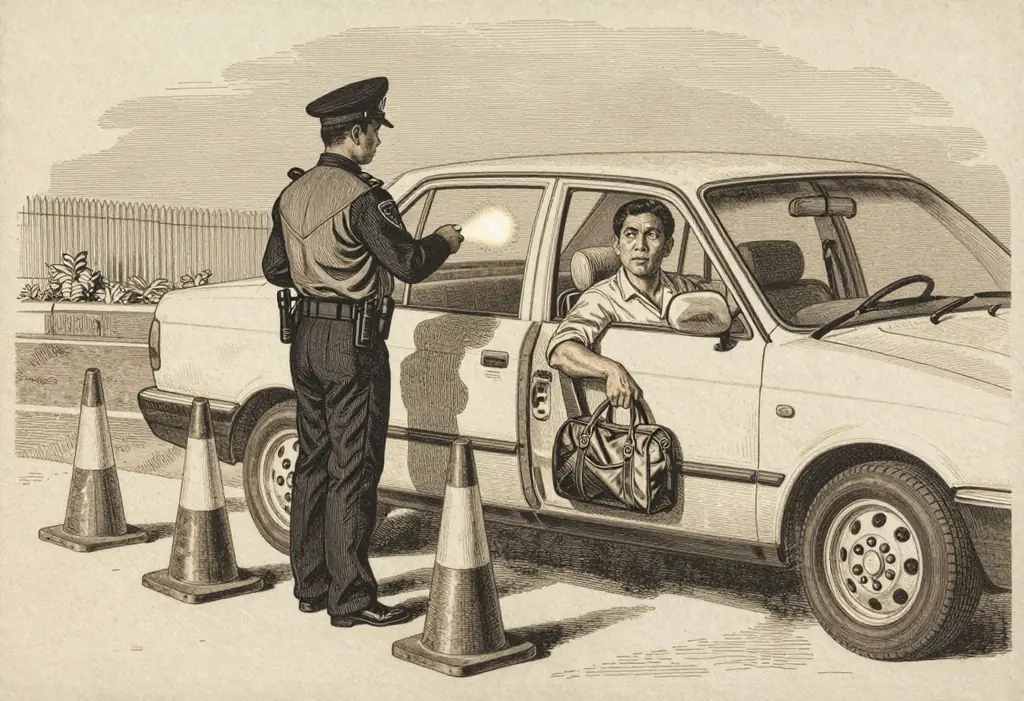 Full Plate
- Ask driver to slow down and partially lower windows
- Shine flashlights to inspect cabin interior visually
- Request to inspect driver's license and vehicle OR/CR
- Ask brief questions regarding destination or origin
- Seize contraband clearly visible in plain open sight
- Ordering occupants out for a body search or frisking
- Opening doors, glove compartment, or trunk
- Opening and searching closed bags or compartments
- Demanding to unlock and read messages on mobile phones
Absent probable cause, you may decline any search beyond a visual inspection. State it calmly and never physically resist.
Why
Article III, Section 2 of the 1987 Philippine Constitution guarantees the inviolable right of the people to be secure in their persons, houses, papers, and effects against unreasonable searches and seizures. Police checkpoints are constitutional only to the extent that they balance public safety with citizen privacy rights.
Supreme Court decisions (Valmonte v. de Villa, G.R. No. 83988, 1989; Aniag, Jr. v. COMELEC, G.R. No. 104961, 1994; Caballes v. Court of Appeals, G.R. No. 136292, 2002) hold that checkpoints are not illegal per se, but a routine checkpoint inspection is valid only while it stays minimally intrusive: the officer simply looks into the vehicle, possibly with a flashlight, without opening the doors, without a physical or body search of the occupants, and with the inspection limited to a visual search. Opening the trunk, the glove compartment, or closed bags goes beyond a routine inspection and needs probable cause or valid consent. PNP checkpoint procedures likewise call for visual checks only.
The 'Plain View Doctrine' allows officers to seize illegal items without a warrant if the officer is lawfully in the position to view the area, the discovery is inadvertent, and it is immediately apparent that the item is contraband or evidence of a crime. It does not allow further searching: if an officer must reach inside, open a closed box, lift a seat, or dig into a pouch to find the item, the plain view doctrine no longer applies and the search must be justified by probable cause or consent.
A routine checkpoint gives police no authority to make you unlock your phone or to browse your messages, photos, or social media accounts. Doing so without a warrant or your valid consent is a search that goes far beyond a visual inspection and violates your constitutional right against unreasonable searches and your right to privacy of communication. Under Article III, Section 3(2) of the Constitution, evidence obtained in violation of these rights is inadmissible in any proceeding.
An extensive warrantless search of a vehicle becomes lawful only if there is genuine probable cause—such as the vehicle closely matching a specific description in a report of a crime that has just been committed—or if the driver gives free, intelligent, and voluntary consent. Silence or failing to object is not automatically consent, but it is safer to state clearly that you do not consent if you do not want your vehicle physically searched.
People also read
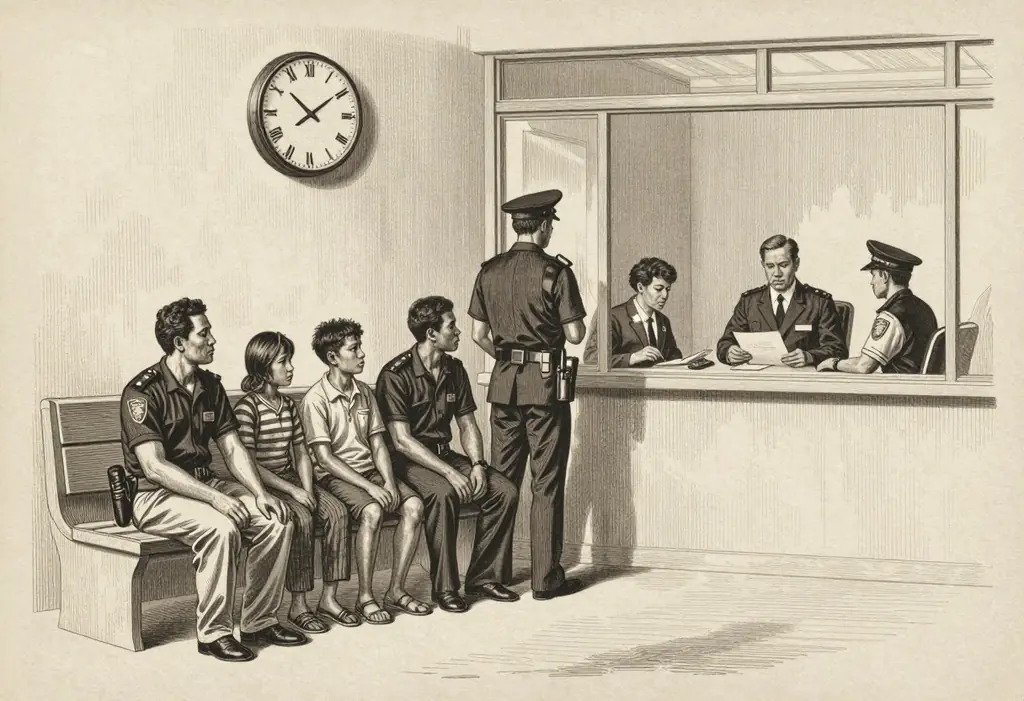
My relative was arrested without a warrant. How long can the police hold him before a case is filed, and what is an inquest?
Under Article 125 of the Revised Penal Code, a person arrested without a warrant must be delivered to the proper judicial authorities within 12, 18, or 36 hours, depending on whether the offense carries a light, correctional, or afflictive penalty. In practice this means an inquest prosecutor must file the case in court within that time or the person should be released, and throughout the detention he has the right to remain silent and to a lawyer.
Not lawyer-reviewedRead the answer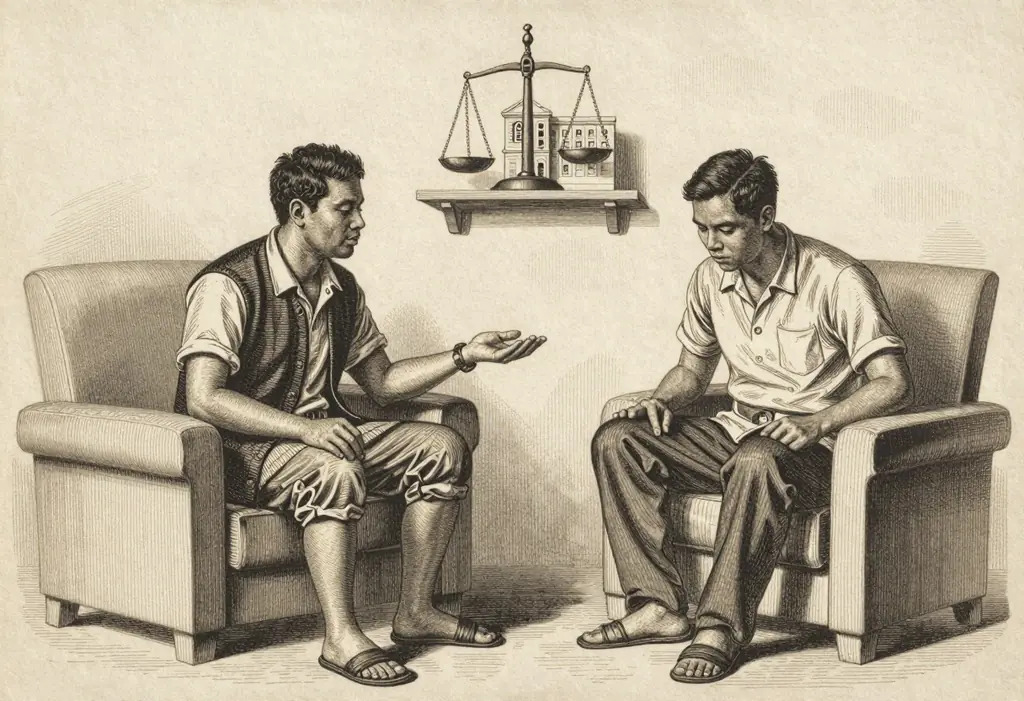
Someone borrowed money from me and won't pay it back. Can I file estafa and have them jailed?
Usually not. Failing to pay a loan is a civil matter, because the Constitution says no one may be imprisoned for debt; estafa applies only when there was deceit at the start, such as a fake identity or invented property used to get the money, or when money handed over in trust for a specific purpose was misappropriated. For an ordinary unpaid utang, the remedy is a written demand, barangay conciliation, and a collection case such as small claims.
Not lawyer-reviewedRead the answer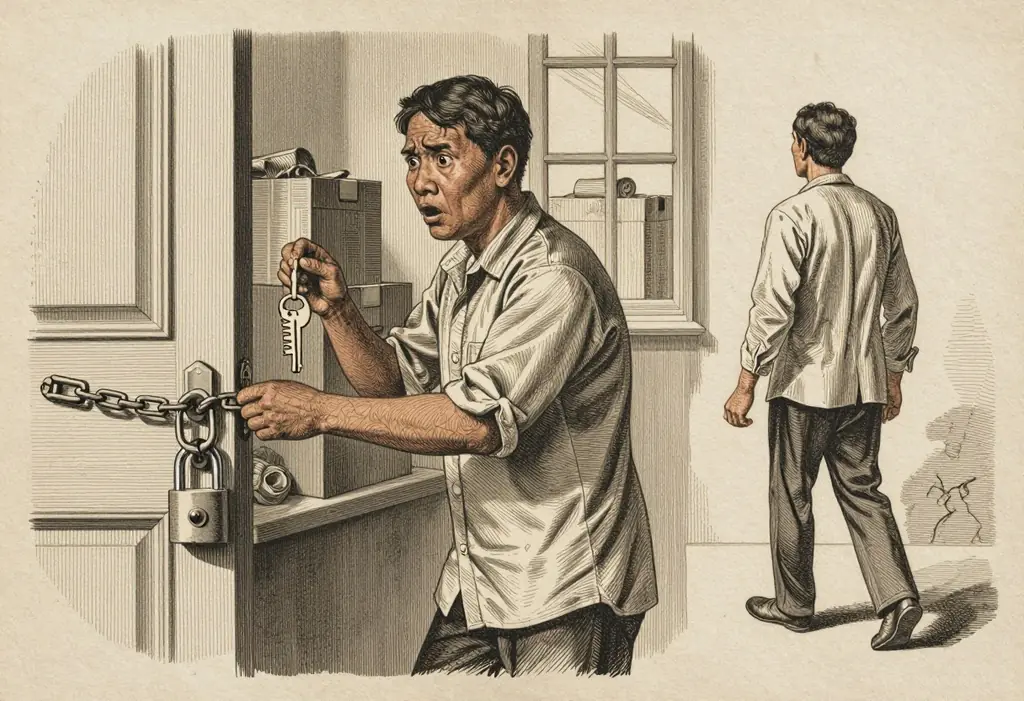
My landlord changed the locks and kept my things. Is that legal?
No. In the Philippines, a landlord cannot practice self-help eviction. Only a court can order an eviction, and only a court sheriff can physically enforce it. A landlord who changes the locks, cuts utilities, or seizes your belongings to force you out is using self-help the law does not allow, and, depending on the facts, may face a forcible entry case, damages, or criminal complaints such as coercion.
Not lawyer-reviewedRead the answer
People built houses on my land without permission. How do I legally remove informal settlers?
Through the courts, not by force. Depending on how and when they entered, you file forcible entry or unlawful detainer within one year under Rule 70, or a longer case to recover possession or ownership after that; if the occupants are underprivileged and homeless, the eviction and demolition must also follow the notice, consultation, and relocation rules of Section 28 of the Urban Development and Housing Act (RA 7279). Squatting itself stopped being a crime when PD 772 was repealed, except for professional squatters and squatting syndicates.
Not lawyer-reviewedRead the answer