General information, not legal advice. This answer was written by the PhilippineLaws team from the law it cites and checked for accuracy to the best of our knowledge, last on Sep 29, 2026. It has not been reviewed by a lawyer. Read the cited law yourself, and for your own situation talk to a lawyer or the Public Attorney’s Office (PAO).
Someone took or shared private photos or intimate videos of me without consent. What can I do?
Under Republic Act No. 9995 (the Anti-Photo and Video Voyeurism Act of 2009), taking, sharing, publishing, or selling intimate photos or videos without consent is a serious crime punishable by 3 to 7 years imprisonment and fines up to ₱500,000. When committed online or via social media, the Cybercrime Prevention Act raises the penalty by one degree.
Illustrated Legal Brief
 Full Plate
Allowed: Capture digital evidence
Save screenshots showing URLs, sender profile, chat threats, and timestamps before deleting
File platform takedown notice
Report non-consensual intimate imagery (NCII) for hash matching and rapid removal
Allowed: Secure Protection Order (BPO / TPO)
Barangay or Family Court orders perpetrator to surrender devices and stay away
Allowed: PNP Anti-Cybercrime criminal filing
PNP-ACG issues cybercrime warrants and files criminal charges under RA 9995 & RA 10175
Under RA 9995, prior consent to take photos during a relationship is never consent to distribute them.
Why
Republic Act No. 9995, otherwise known as the 'Anti-Photo and Video Voyeurism Act of 2009', strictly criminalizes any act of capturing, uploading, transmitting, possessing, or distributing intimate visual recordings without the subject's consent.
Section 4 of the law details three distinct prohibited acts: (1) Taking photos or recording videos of a person's private areas, nudity, or intimate sexual acts without their knowledge and consent; (2) Copying, reproducing, or possessing such photos or videos; and (3) Selling, distributing, broadcasting, or publishing them, whether through print, CD, Bluetooth, online platforms, messaging applications, or group chats.
Consent to take the photo or video is NOT consent to share it: The law explicitly clarifies that even if an intimate photo or video was taken with initial consent during an intimate relationship, any subsequent sharing, broadcasting, or uploading to third parties or online platforms without explicit written consent is a full violation of RA 9995. This directly covers what is commonly termed 'revenge porn'.
Under Section 5, violations carry imprisonment of not less than three (3) years nor more than seven (7) years, and a fine ranging from ₱100,000 to ₱500,000. Because these acts are almost universally perpetrated online or through smartphones, Section 6 of Republic Act No. 10175 (the Cybercrime Prevention Act of 2012) increases the statutory penalty by one degree (up to twelve years imprisonment).
Furthermore, if the perpetrator is an intimate partner, husband, or ex-boyfriend, or is using the recordings to coerce or blackmail a woman, the act constitutes psychological violence under Republic Act No. 9262 (Anti-VAWC Act), entitling the victim to immediate Barangay, Temporary, or Permanent Protection Orders (BPO, TPO, PPO) ordering the perpetrator to surrender all devices and cease all contact.
People also read
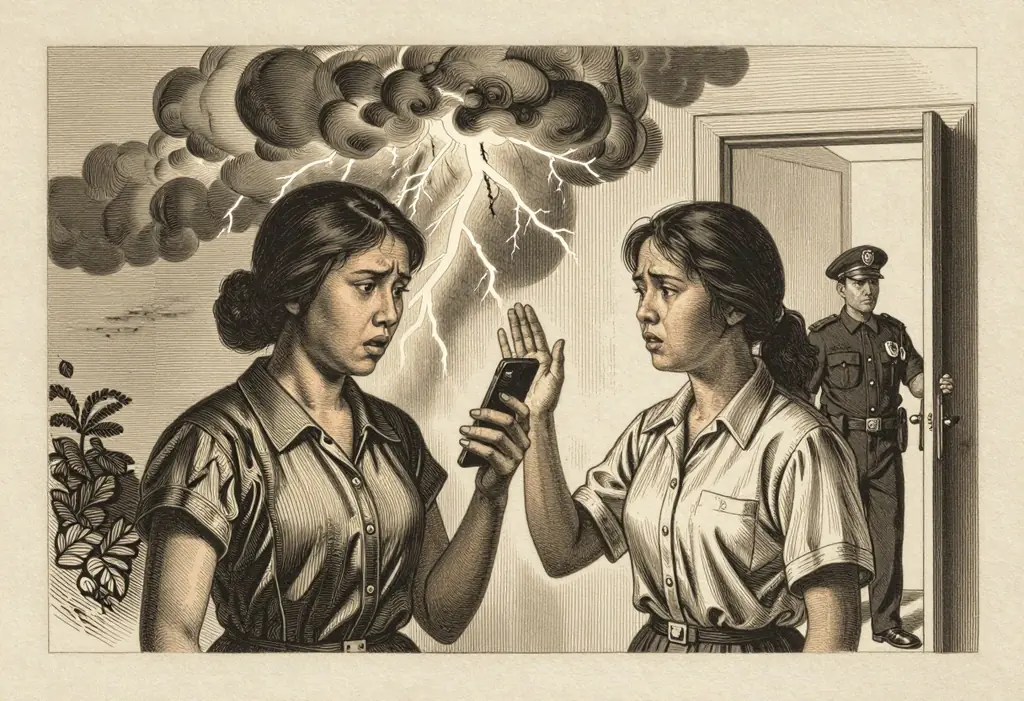
Someone keeps threatening me by text and chat, saying they'll hurt me or my family. Is that a crime, and what can I do?
Yes, it can be. Threatening to inflict on you or your family, or on your property, a wrong that would itself be a crime, such as killing, hurting, or burning, is grave threats under Article 282 of the Revised Penal Code; threats of lesser wrongs are light threats or other light threats. When the threat is sent through text, chat, or social media, the Cybercrime Prevention Act raises the penalty by one degree, so save the messages and report them.
Not lawyer-reviewedRead the answer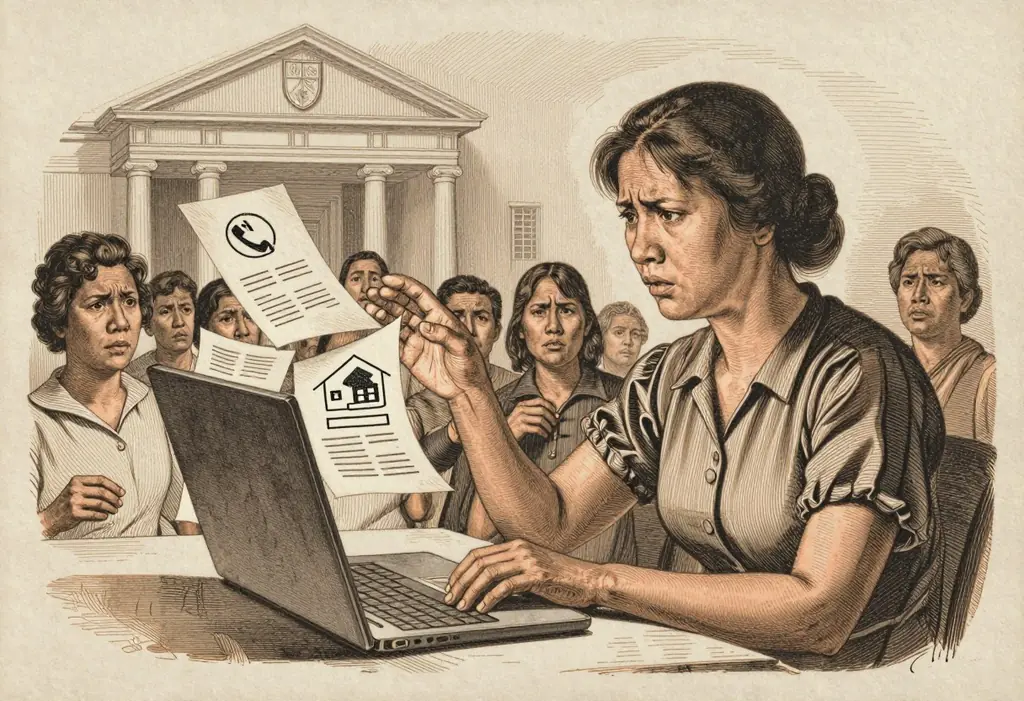
Someone posted my private chat, phone number, and address online. Can I sue for doxxing?
Yes. Publishing your private mobile number, residential address, or intimate chat messages online without your consent is illegal under the Data Privacy Act of 2012 (Republic Act No. 10173) and carries higher penalties under the Cybercrime Prevention Act. You can file a formal complaint with the National Privacy Commission (NPC) and file criminal charges for unauthorized disclosure.
Not lawyer-reviewedRead the answer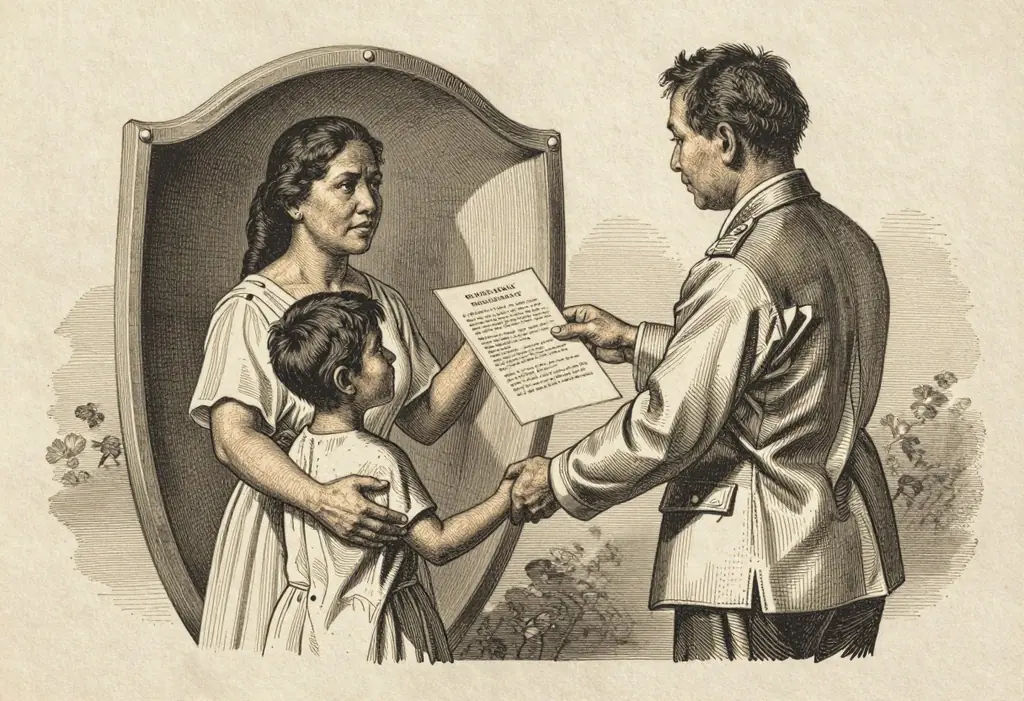
How can a mother get an immediate protection order (BPO, TPO, PPO) against an abusive partner under RA 9262?
A mother facing domestic abuse can obtain an immediate Barangay Protection Order (BPO) valid for 15 days from the Punong Barangay to prohibit violence and harassment. To secure temporary child custody, court-ordered child support, and exclusion of the abuser from the home, she must file for a Temporary Protection Order (TPO) in Family Court, which judges must act upon ex parte within 24 hours.
Not lawyer-reviewedRead the answer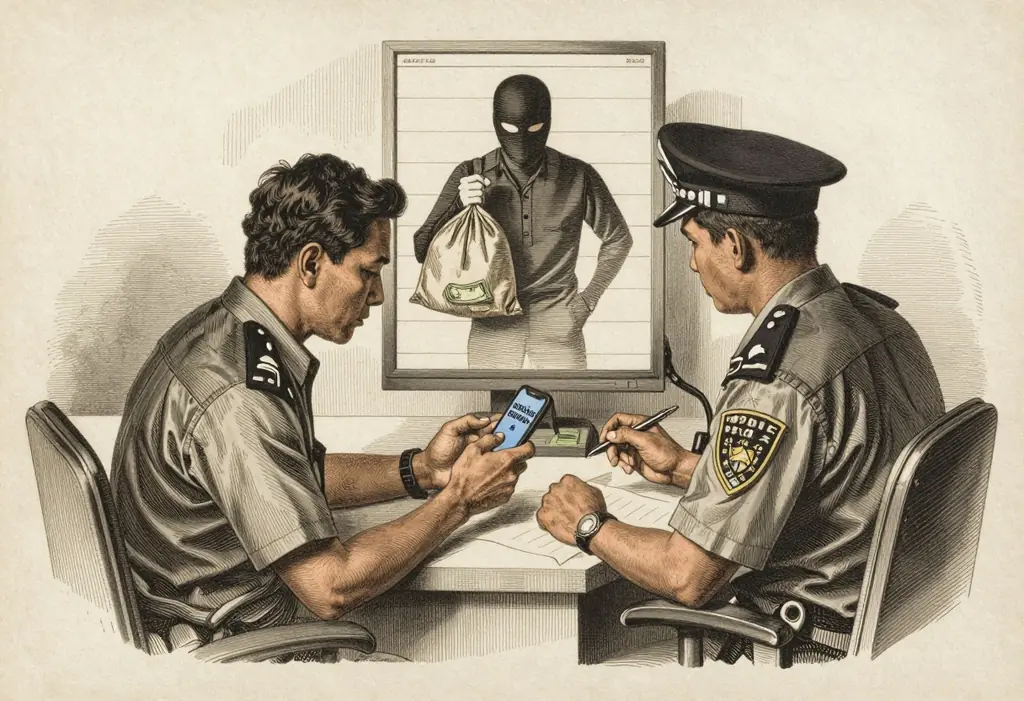
I was scammed through GCash or online bank transfer. How can I recover my money and file criminal charges?
Report the fraud to GCash or your bank's fraud desk right away and ask them to hold the disputed funds in the recipient account, then file a cybercrime report with the PNP Anti-Cybercrime Group (PNP-ACG) or NBI Cybercrime Division. Recovery is not guaranteed and depends largely on whether the money is still in the recipient account. Under the Anti-Financial Account Scamming Act (AFASA / RA 12010) and the Cybercrime Prevention Act, scammers and money mules can face imprisonment and fines.
Not lawyer-reviewedRead the answer