General information, not legal advice. This answer was written by the PhilippineLaws team from the law it cites and checked for accuracy to the best of our knowledge, last on Sep 29, 2026. It has not been reviewed by a lawyer. Read the cited law yourself, and for your own situation talk to a lawyer or the Public Attorney’s Office (PAO).
Can I secretly record a phone call or private conversation to use as evidence?
No — secretly recording a private conversation or phone call without the consent of all parties is a crime under Republic Act No. 4200 (the Anti-Wiretapping Act). Any recording made without everyone's knowledge is completely inadmissible as evidence in any court, administrative hearing, or official proceeding.
Illustrated Legal Brief
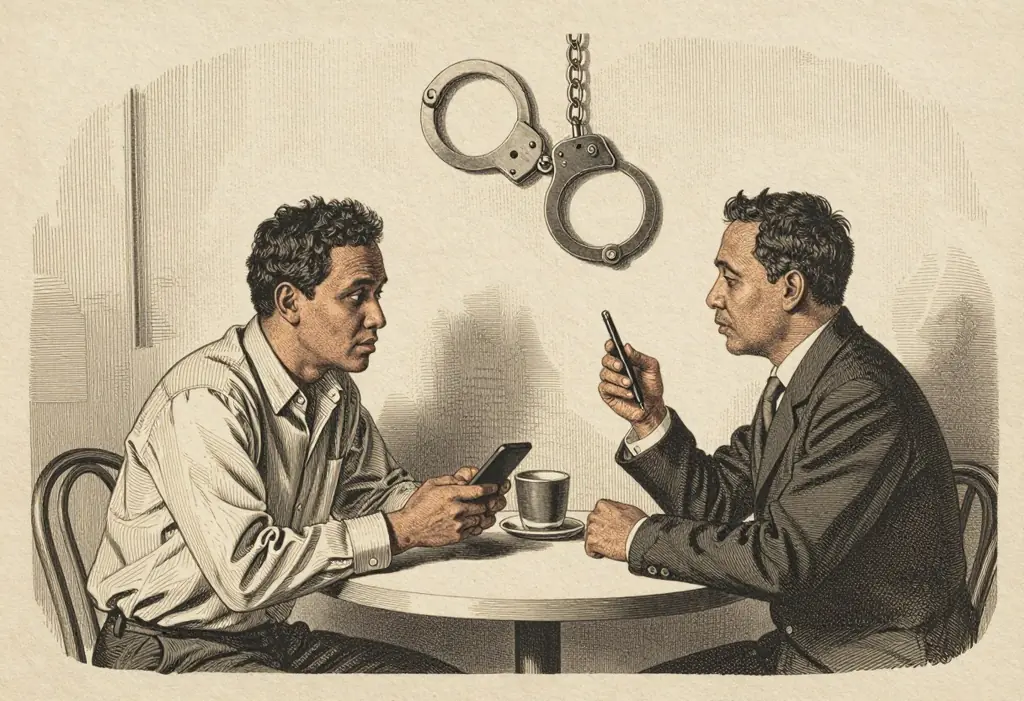 Full Plate
- Recorded without consent of ALL participants
- Criminal offense: 6 months to 6 years imprisonment
- Completely inadmissible as evidence in court
- Applies even if you took part in the conversation
- Recording with audible consent stated on record
- Follow-up emails and signed meeting minutes
- Third-party witness testimony and sworn affidavits
- Public speeches and press conferences
Ramirez v. CA (G.R. No. 93833) affirmed that recording your own private conversation without the other party's consent violates RA 4200.
Why
Under Section 1 of Republic Act No. 4200 (the Anti-Wiretapping Act), it is unlawful for any person, not being authorized by all the parties to any private communication or spoken word, to secretly overhear, intercept, or record such communication using any device. The prohibition applies equally to phone calls, private office confrontations, and closed-door meetings.
A common misunderstanding is that one participant in a conversation may secretly record it because they are already part of the talk. In the landmark case of Ramirez v. Court of Appeals (G.R. No. 93833, September 28, 1995), the Supreme Court ruled that the law makes no distinction: even a party to a private conversation cannot record the other party without their consent. The phrase 'not being authorized by all the parties' means every participant must know and agree.
Under Section 4 of RA 4200, any communication or spoken word obtained in violation of the Act cannot be admitted in evidence in any judicial, quasi-judicial, legislative, or administrative hearing or investigation. This is the statutory 'fruit of the poisonous tree' doctrine. Presenting an illegal secret recording to a court or labor arbiter will not only fail as proof, but also exposes the person who recorded or played it to criminal prosecution carrying imprisonment from six months to six years.
Wiretapping is permissible only when authorized by a written court order issued by a Regional Trial Court judge, and only in investigations involving specific grave crimes such as treason, espionage, rebellion, sedition, kidnapping, and violations of national security laws. For ordinary disputes, civil claims, or workplace fights, no court can issue a wiretap permit.
People also read
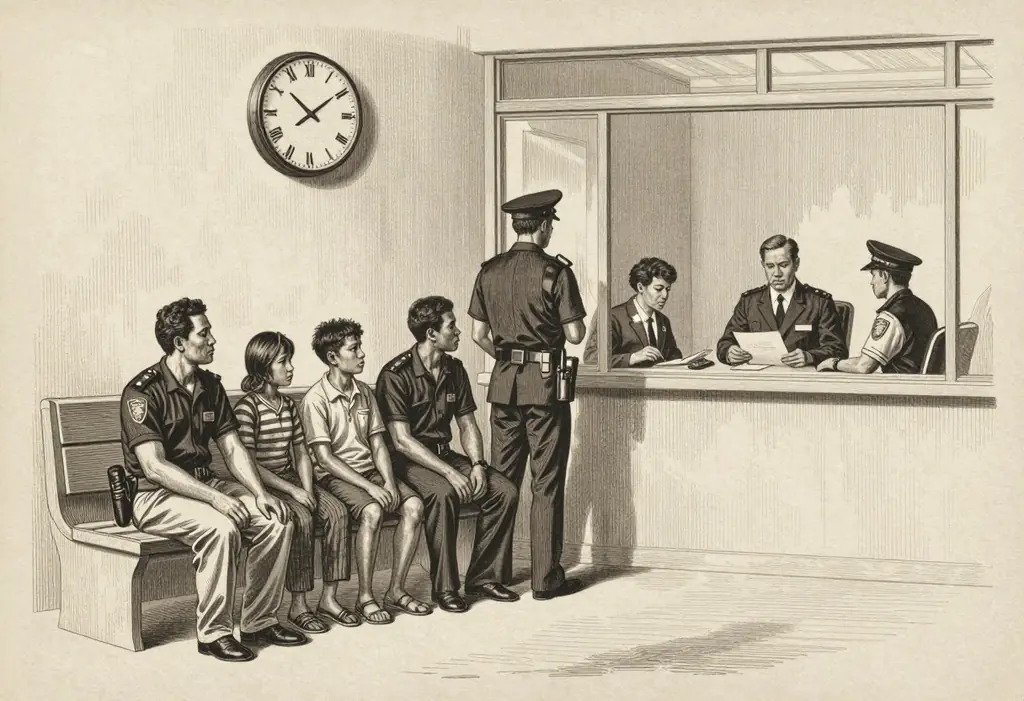
My relative was arrested without a warrant. How long can the police hold him before a case is filed, and what is an inquest?
Under Article 125 of the Revised Penal Code, a person arrested without a warrant must be delivered to the proper judicial authorities within 12, 18, or 36 hours, depending on whether the offense carries a light, correctional, or afflictive penalty. In practice this means an inquest prosecutor must file the case in court within that time or the person should be released, and throughout the detention he has the right to remain silent and to a lawyer.
Not lawyer-reviewedRead the answer
Can I be sued for cyberlibel over a Facebook post or comment?
Yes. Defamatory Facebook posts or comments can constitute cyberlibel under Republic Act No. 10175, which carries a heavier penalty than ordinary libel. However, truth published with good motives and for justifiable ends is a defense, and the Supreme Court has held that cyberlibel cannot be applied to people who merely receive a post and react to it, such as by liking or sharing it, without adding defamatory remarks of their own.
Not lawyer-reviewedRead the answer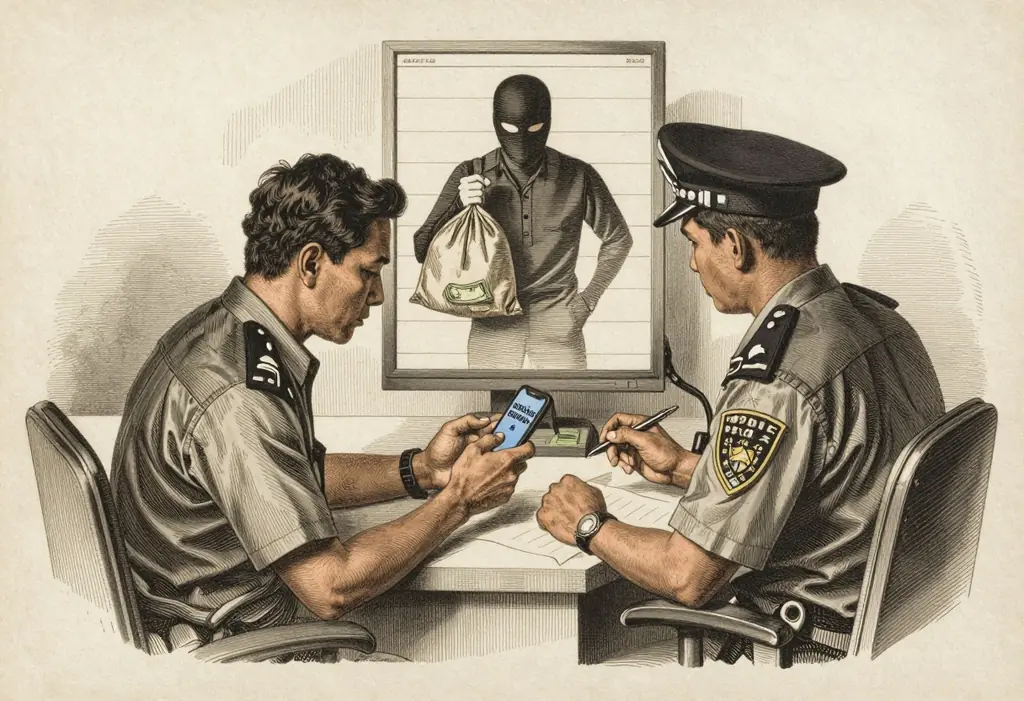
I was scammed through GCash or online bank transfer. How can I recover my money and file criminal charges?
Report the fraud to GCash or your bank's fraud desk right away and ask them to hold the disputed funds in the recipient account, then file a cybercrime report with the PNP Anti-Cybercrime Group (PNP-ACG) or NBI Cybercrime Division. Recovery is not guaranteed and depends largely on whether the money is still in the recipient account. Under the Anti-Financial Account Scamming Act (AFASA / RA 12010) and the Cybercrime Prevention Act, scammers and money mules can face imprisonment and fines.
Not lawyer-reviewedRead the answer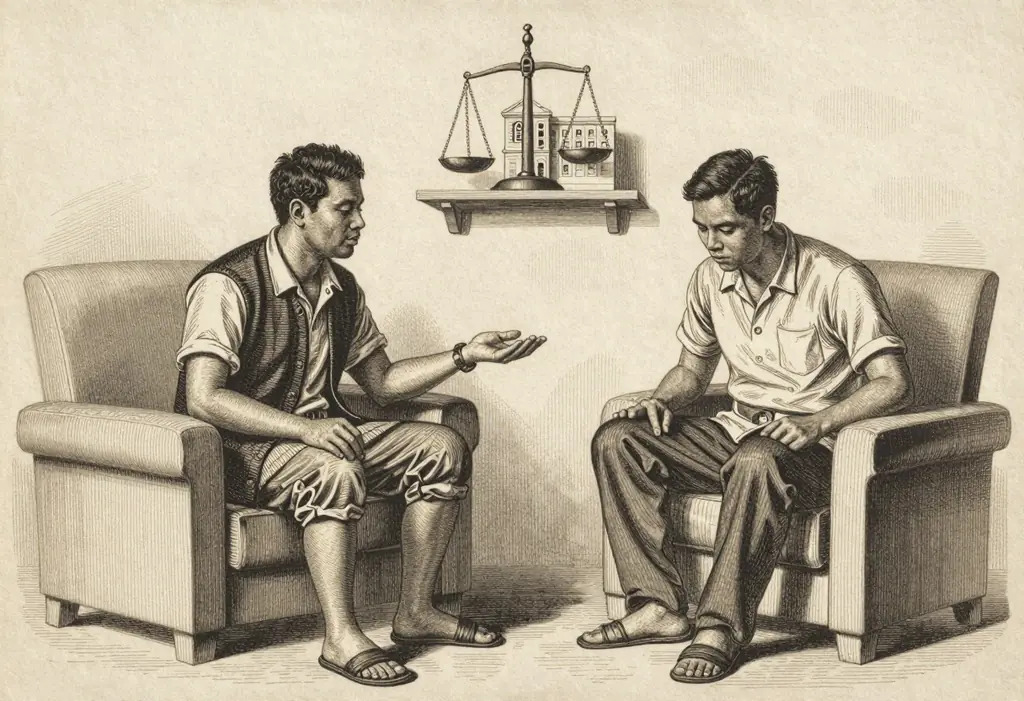
Someone borrowed money from me and won't pay it back. Can I file estafa and have them jailed?
Usually not. Failing to pay a loan is a civil matter, because the Constitution says no one may be imprisoned for debt; estafa applies only when there was deceit at the start, such as a fake identity or invented property used to get the money, or when money handed over in trust for a specific purpose was misappropriated. For an ordinary unpaid utang, the remedy is a written demand, barangay conciliation, and a collection case such as small claims.
Not lawyer-reviewedRead the answer