General information, not legal advice. This answer was written by the PhilippineLaws team from the law it cites and checked for accuracy to the best of our knowledge, last on Sep 21, 2026. It has not been reviewed by a lawyer. Read the cited law yourself, and for your own situation talk to a lawyer or the Public Attorney’s Office (PAO).
I sell on Shopee, Lazada or Facebook Marketplace from home. Do I really need to register with the BIR and pay taxes as an online seller?
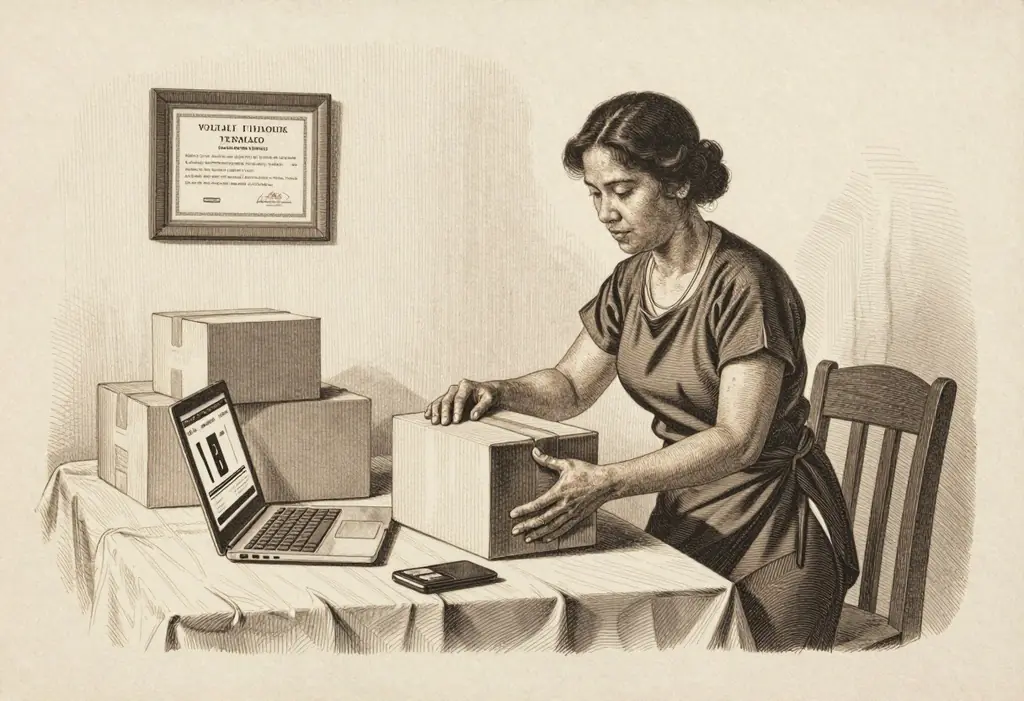
Yes, if you sell regularly as a business. The Tax Code treats online and physical stores the same: you must register with the BIR on or before you start, issue invoices, and file and pay tax. Most small online sellers can choose an 8% tax on gross sales above ₱250,000 a year instead of graduated income tax plus 3% percentage tax, as long as annual sales stay within the ₱3 million VAT threshold. Occasionally selling your own used things is not a business and is generally not covered.
Illustrated Legal Brief
 Full Plate
- 8% of gross sales and other non-operating income above ₱250,000
- Replaces both graduated income tax and 3% percentage tax
- Only while gross sales stay within the VAT threshold
- Simple: no need to compute deductible expenses
- Graduated income tax on net taxable income (0% on the first ₱250,000)
- Plus 3% percentage tax on gross quarterly sales (Sec. 116)
- Can work out cheaper if your expenses are high
- Requires keeping records that support your deductions
Above the ₱3,000,000 VAT threshold (adjusted periodically for inflation), neither applies: you must register for VAT.
Why
There is no separate tax code for online sellers. Section 236(A) of the National Internal Revenue Code, as amended by the Ease of Paying Taxes Act (Republic Act No. 11976), requires every person subject to an internal revenue tax to register once, electronically or manually, on or before the commencement of business. A person who buys stock or makes products and sells them repeatedly for profit through Shopee, Lazada, TikTok Shop or a Facebook page is engaged in business just as a store owner is. The Internet Transactions Act of 2023 (Republic Act No. 11967) reflects the same policy: Section 6 says those who engage in e-commerce should get no more favourable, and no less favourable, treatment than offline businesses.
There is a real difference between running a business and occasionally selling your own things. The Internet Transactions Act does not cover consumer-to-consumer transactions, which it defines in Section 4(c) as transactions between end-users for personal, family or household purposes and not in the ordinary course of business (Section 3). Clearing out your old clothes or selling a used phone once is not a trade. Buying items to resell, taking orders for products you make, or selling as a steady side hustle is.
For income tax, a self-employed individual whose gross sales do not exceed the VAT threshold may choose, under Section 24(A)(2)(b) of the Tax Code as amended by the TRAIN Law (Republic Act No. 10963), an 8% tax on gross sales and other non-operating income in excess of ₱250,000, in place of both the graduated income tax rates and the percentage tax. If you do not choose the 8% option, you pay graduated income tax on your net taxable income (0% on the first ₱250,000 under the schedule effective 2023) plus a 3% percentage tax on gross quarterly sales under Section 116. The VAT threshold under Section 109(CC) is ₱3,000,000 in gross annual sales; it is adjusted every three years using the consumer price index, so check the current figure. If your sales go over it, you must register for VAT (Section 236(F)).
You also have to issue invoices. Under Section 237, as amended by the EOPT Act, a non-VAT seller must issue a registered sale or commercial invoice for each sale of ₱500 or more, may issue one end-of-day invoice for smaller sales once they add up to ₱500, and must issue one whenever the buyer asks. Separately, Section 23(h) of the Internet Transactions Act requires e-retailers and online merchants to issue paper or electronic invoices or receipts for all sales, and Section 23(a) requires them to state prices in line with Article 81 of the Consumer Act.
Platforms will ask for your details. Section 21(b) of the Internet Transactions Act requires e-marketplaces to collect, as far as practicable, each online merchant's name with a valid government ID or business registration documents, address and contact details before listing them. Section 45 of the EOPT Act gives micro taxpayers (gross sales below ₱3 million) smaller penalties when they slip up: a 10% civil penalty instead of 25%, and 50% lower interest. That helps, but it is still cheaper to register and file from the start than to pay back taxes later.
People also read
Do I still have to pay the ₱500 BIR Annual Registration Fee? What changed for small businesses under the Ease of Paying Taxes (EOPT) Act?
No. The Ease of Paying Taxes Act (Republic Act No. 11976) rewrote the Tax Code's registration section without the old ₱500 Annual Registration Fee, so there is no yearly BIR registration fee anymore; you register once. It also replaced official receipts with sales or commercial invoices, lets returns be filed and taxes paid electronically or manually through any authorized agent bank, Revenue District Office or authorized tax software provider, and gives micro and small taxpayers lower penalties.
Not lawyer-reviewedRead the answer
I want to start a small business on my own. How do I register a sole proprietorship with the DTI, the barangay, the mayor's office and the BIR?
A sole proprietorship is registered in four layers: a business name with the DTI, a barangay clearance, a mayor's (business) permit from your city or municipality, and registration with the BIR on or before you start operating. The owner and the business are legally one person, so you are personally liable for all of the business's debts.
Not lawyer-reviewedRead the answer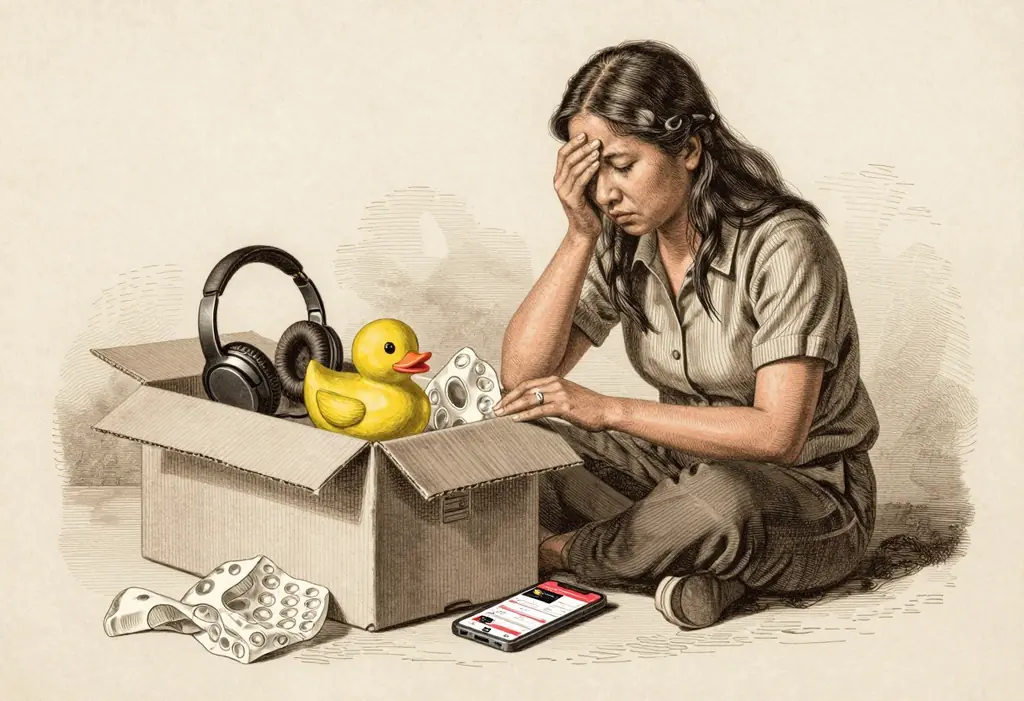
I ordered something online and received the wrong item, a fake, or a broken one, and the seller won't refund me. What are my rights?
Under the Internet Transactions Act of 2023 (Republic Act No. 11967), an online merchant must deliver goods in the same condition, type, quantity and quality as described, and if they are defective or do not conform you can demand repair, replacement or a refund under the Consumer Act. Use the platform's or seller's internal complaint process first; if it is unresolved after seven calendar days, you may go to the DTI. The seller is primarily liable, and the platform can be held subsidiarily liable in specific cases.
Not lawyer-reviewedRead the answer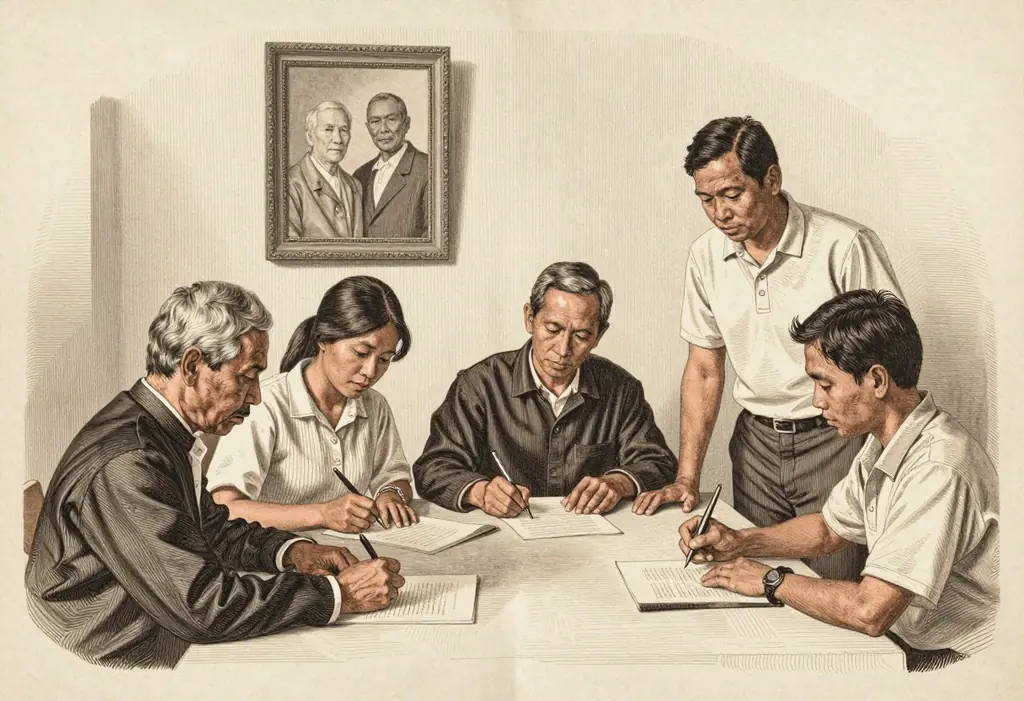
The seller is selling land inherited from their deceased parents, but the title is still in the parents' name. Is it safe to buy, and what is an Extrajudicial Settlement with Sale?
It is risky unless all legal heirs sign the Extrajudicial Settlement with Deed of Absolute Sale, estate taxes are settled with the BIR, and publication is completed. Even after registration, Section 4 of Rule 74 annotates a statutory 2-year lien on the new title protecting excluded heirs and unpaid estate creditors.
Not lawyer-reviewedRead the answer