General information, not legal advice. This answer was written by the PhilippineLaws team from the law it cites and checked for accuracy to the best of our knowledge, last on Sep 21, 2026. It has not been reviewed by a lawyer. Read the cited law yourself, and for your own situation talk to a lawyer or the Public Attorney’s Office (PAO).
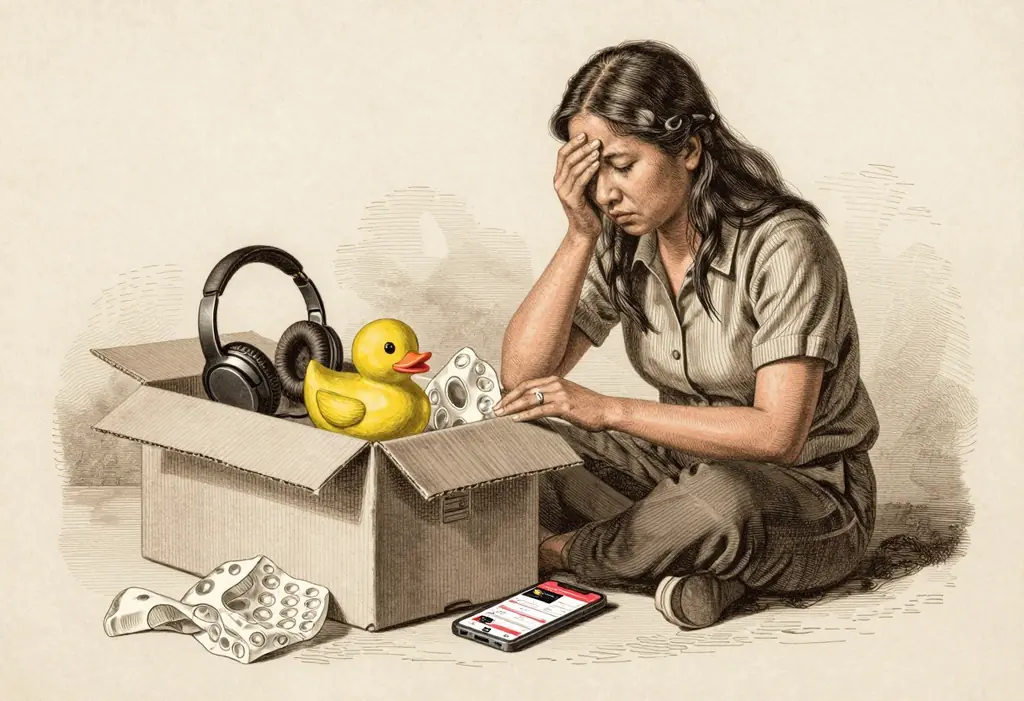
I ordered something online and received the wrong item, a fake, or a broken one, and the seller won't refund me. What are my rights?
Under the Internet Transactions Act of 2023 (Republic Act No. 11967), an online merchant must deliver goods in the same condition, type, quantity and quality as described, and if they are defective or do not conform you can demand repair, replacement or a refund under the Consumer Act. Use the platform's or seller's internal complaint process first; if it is unresolved after seven calendar days, you may go to the DTI. The seller is primarily liable, and the platform can be held subsidiarily liable in specific cases.
Illustrated Legal Brief
 Full Plate
Document on arrival
Unboxing video, photos, waybill and screenshots of the original listing
Use the platform's complaint channel
Required first under Sec. 24; ask for repair, replacement or a refund
Caution: Wait 7 calendar days
If still unresolved, the internal process is deemed exhausted
Allowed: Complain to the DTI
The seller is primarily liable; the platform can be subsidiarily liable if it failed its own duties
Claim damages within 2 years
Before the court or the DTI, from the time the cause of action arose
Private person-to-person (C2C) sales are outside the Internet Transactions Act; fraud by fake sellers is a police matter.
Why
The Internet Transactions Act of 2023 (Republic Act No. 11967) covers business-to-consumer internet transactions within the DTI's mandate, including purchases through e-marketplaces like Shopee and Lazada, sellers on social media platforms, and brands selling from their own websites (Sections 3 and 4). It does not cover consumer-to-consumer sales, meaning one private person selling their own things to another outside the ordinary course of business. For those, the Civil Code rules on sales apply, and a scam is a matter for the police.
Section 23(b) of the Act requires the e-retailer or online merchant to ensure you receive the goods in the same condition, type, quantity and quality as described, matching any sample, picture or model shown, and fit for any particular purpose you told the seller about and the seller accepted. Under Section 23(c), goods must come with their accessories, packaging, manuals and inclusions as advertised, and must perform as goods of that type normally do. So a wrong size, a counterfeit sold as original, missing accessories, or an item that does not match its photos are all failures of the seller's obligations, not just bad luck.
Section 20 gives the remedy: in case of defect, malfunction or loss without your fault (such as a paid parcel that never arrives), or failure to conform to the warranty, you have the right to repair, replacement, refund or other remedies under the Consumer Act (Republic Act No. 7394). If you choose replacement or a refund, the merchant is entitled to get the original item back, without cost to you, within a reasonable period. Under Article 100 of the Consumer Act, if a quality defect is not corrected within 30 days, you may choose between replacement, a refund, or a proportionate price reduction.
The Act sets an order of steps. Section 24 requires you to first use the internal redress mechanism of the platform, marketplace or e-retailer before going to court or a government agency, but that mechanism is deemed exhausted if your complaint remains unresolved after seven calendar days. The merchant is primarily liable to indemnify you (Section 25). The platform becomes subsidiarily liable, limited to your direct damages, if it failed to exercise ordinary diligence in its duties (such as collecting the merchant's ID and contact details before listing), failed after notice to take down infringing or ordered-removed listings, or failed to give the contact details of a merchant with no legal presence in the Philippines (Section 26). It is solidarily liable if, after notice, it fails to remove goods that are prohibited, unsafe or dangerous (Section 27).
You also have obligations. Section 19 requires online consumers to exercise ordinary diligence, and generally bars cancelling a confirmed order for delivery once the items have been paid for, or once perishable goods are already with the courier or in transit, unless you paid electronically and authorized the crediting of the amount despite the cancellation, you reimburse the delivery service, the transaction allows cancellation for a fee, or the parties agree otherwise. For damages, Section 28 lets you file a case before the court or the DTI within two years from the time the cause of action arose.
People also read

The cashier charged me more than the price on the shelf tag, or added a charge nobody told me about. Do I have to pay the higher amount?
No. Article 81 of the Consumer Act (Republic Act No. 7394) makes it unlawful to offer consumer products for retail sale without a displayed price, and says they shall not be sold at a price higher than the one stated. You can insist on paying the tagged price. Charges that were not disclosed before you bought, or prices that were misrepresented, can also be deceptive sales practices you can report to the DTI.
Not lawyer-reviewedRead the answer
Can a restaurant or store refuse senior citizen or PWD discounts during promotional sales?
No, a store cannot completely deny the statutory benefit. Under Republic Act Nos. 9994 and 10754, while double discounting is prohibited, the senior citizen or PWD has the explicit legal right to choose between the store's promotional price and the statutory 20% discount plus 12% VAT exemption, whichever gives them the lower price.
Not lawyer-reviewedRead the answer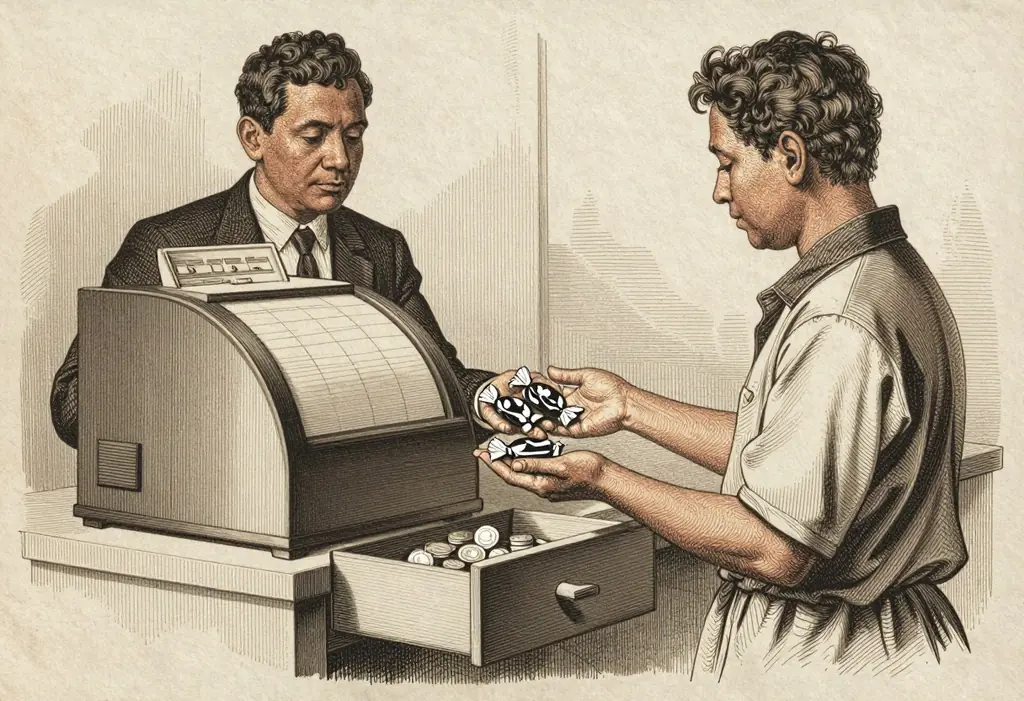
Can stores give candy instead of change or refuse to give exact change?
No. Under Republic Act No. 10909 (the No Shortchange Act of 2016), it is illegal for any business establishment to shortchange a consumer, fail to provide exact change down to the last centavo, or substitute candy or other goods for cash. Violating businesses face progressive administrative fines up to ₱25,000 and total revocation of their mayor's permit.
Not lawyer-reviewedRead the answer
My brand-new car keeps coming back to the casa for the same defect. Can I demand a replacement or refund under the Lemon Law?
Possibly. Under the Philippine Lemon Law (Republic Act No. 10642), if a brand-new car has a defect that substantially impairs its use, value or safety, and the same dealer has failed to fix it after at least four separate repair attempts within 12 months or 20,000 km of delivery (whichever comes first), you can give written notice, allow one final repair, and then go to the DTI. If the DTI finds a nonconformity, it orders the dealer or manufacturer to replace the vehicle or take it back and refund the purchase price plus collateral charges, less an allowance for use.
Not lawyer-reviewedRead the answer