General information, not legal advice. This answer was written by the PhilippineLaws team from the law it cites and checked for accuracy to the best of our knowledge, last on Sep 21, 2026. It has not been reviewed by a lawyer. Read the cited law yourself, and for your own situation talk to a lawyer or the Public Attorney’s Office (PAO).
I can no longer pay my condo or subdivision lot monthly amortizations. Can I get a refund under the Maceda Law?
Yes. Under Republic Act No. 6552 (the Maceda Law), if you have paid at least two years of installments and the seller cancels the contract, you are entitled to a Cash Surrender Value refund of 50% of your total payments made, plus 5% for every year of installments after five years (up to 90%). If you paid less than two years, the law gives you a grace period of at least 60 days, but no cash refund.
Illustrated Legal Brief
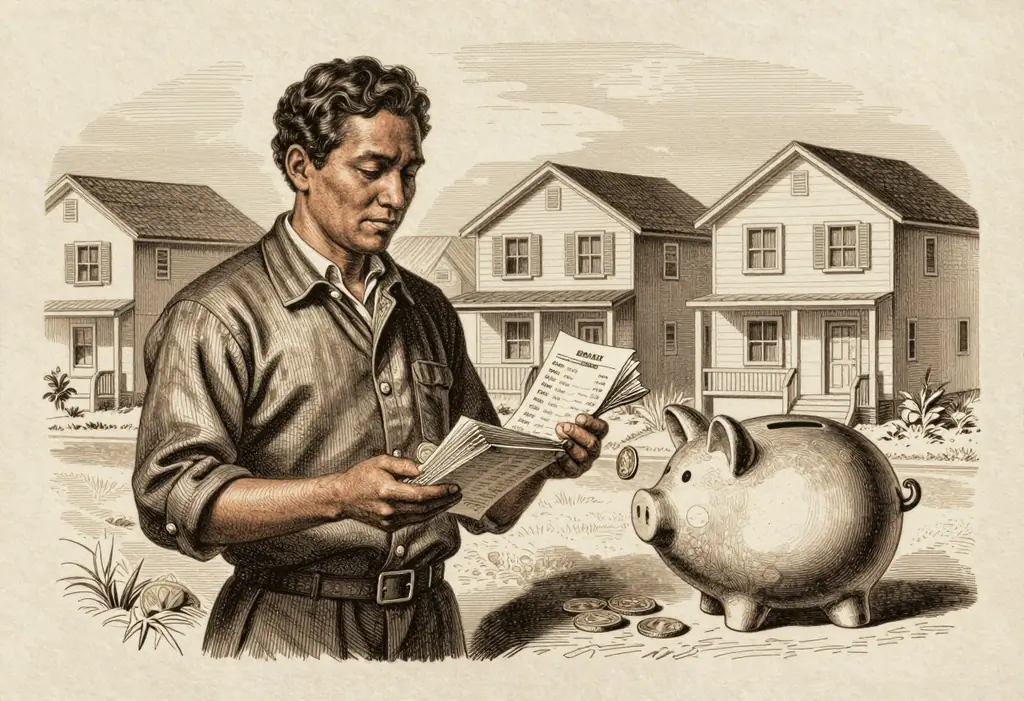 Full Plate
| Situation | Rate |
|---|---|
| Under 2 Years Paid60-day grace period only; 0% cash surrender value | 0% |
| 2 to 5 Years PaidStatutory baseline refund of 50% of total payments made | 50% |
| 6 Years Paid50% base + 5% additional for 6th year | 55% |
| 7 Years Paid50% base + 10% additional | 60% |
| 8 Years Paid50% base + 15% additional | 65% |
| 13+ Years PaidMaximum statutory cap of 90% of total payments made | 90% |
| Base Statutory Refund (2–5 Years) | |
For buyers with at least two years of payments, cancellation takes effect only after a notarial notice and full payment of the cash surrender value.
Why
Republic Act No. 6552, officially the Realty Installment Buyer Protection Act (popularly known as the Maceda Law), protects buyers of real estate on installment—including residential condominium units, house-and-lot packages, and subdivision lots, but excluding industrial lots, commercial buildings, and sales to agrarian reform tenants—against oppressive forfeitures when they can no longer pay.
The law establishes two distinct categories of buyer protection based on payment history: those who have paid at least two (2) years of installments, and those who have paid less than two years. Under Section 3, down payments, deposits, or options on the contract are counted together with the monthly installments.
For buyers who have paid at least two years: you are entitled to a statutory grace period of one month for every one year of installments paid (which can be exercised once every five years). If the contract is cancelled, the developer must pay you a mandatory Cash Surrender Value (CSV) of 50% of the total payments made. If you have paid more than five years of installments, an additional 5% is added for every year of payments beyond five years, capped at a maximum refund of 90%.
A real estate developer cannot cancel your contract via a simple text message, email, or regular letter. Under Section 3(b) of RA 6552, the actual legal cancellation takes effect only thirty (30) days after you receive a formal Notarized Notice of Cancellation AND after the developer pays you the full Cash Surrender Value. Until both conditions are met, the contract is not validly cancelled, even if you are already behind on payments.
If you have accumulated less than two years of installments, you are not entitled to a cash surrender value refund. However, you are entitled to a mandatory grace period of not less than sixty (60) days from the due date. If you still have not paid when the grace period ends, the seller may cancel the contract thirty (30) days after you receive a notice of cancellation or demand for rescission by notarial act. Separately, under Section 23 of PD 957, if you stopped paying, after notice to the developer, because it failed to develop the subdivision or condominium project according to the approved plans and within the time limit, you may instead recover the total amount you paid, with legal interest, regardless of how long you paid.
People also read
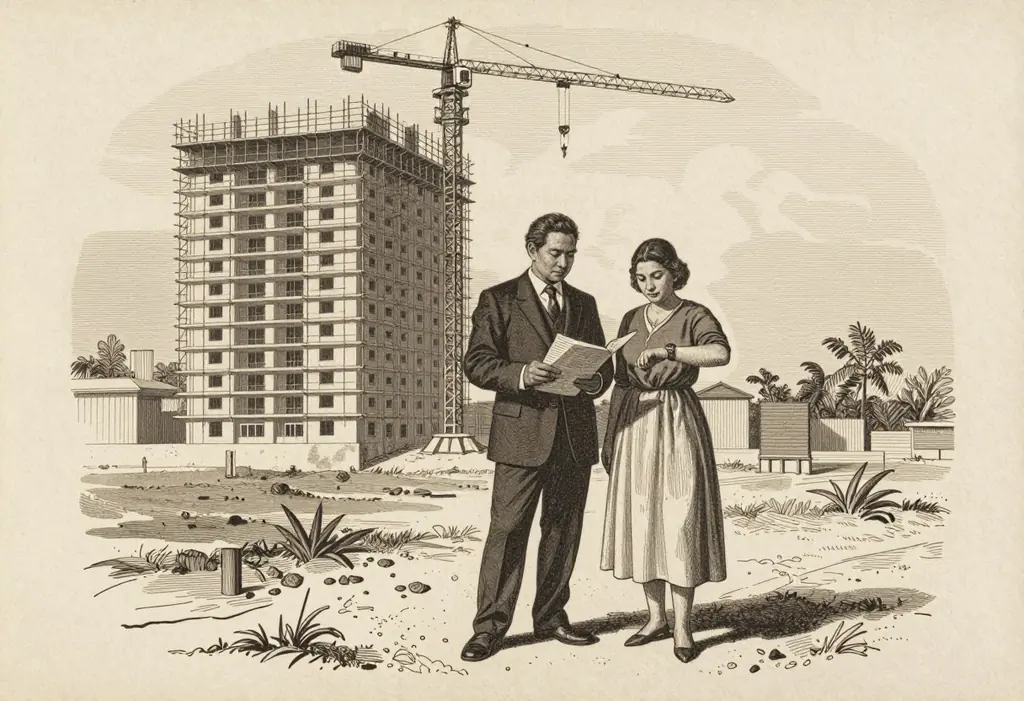
Can I get a full refund if the developer delays the turnover of my condominium or house?
Yes. Under Section 23 of Presidential Decree No. 957, if a developer fails to complete and deliver a condominium or subdivision unit within the period promised in the contract, the buyer can choose to suspend further payments after giving written notice, or demand a 100% refund of all payments made, including amortization interest, plus legal interest.
Not lawyer-reviewedRead the answer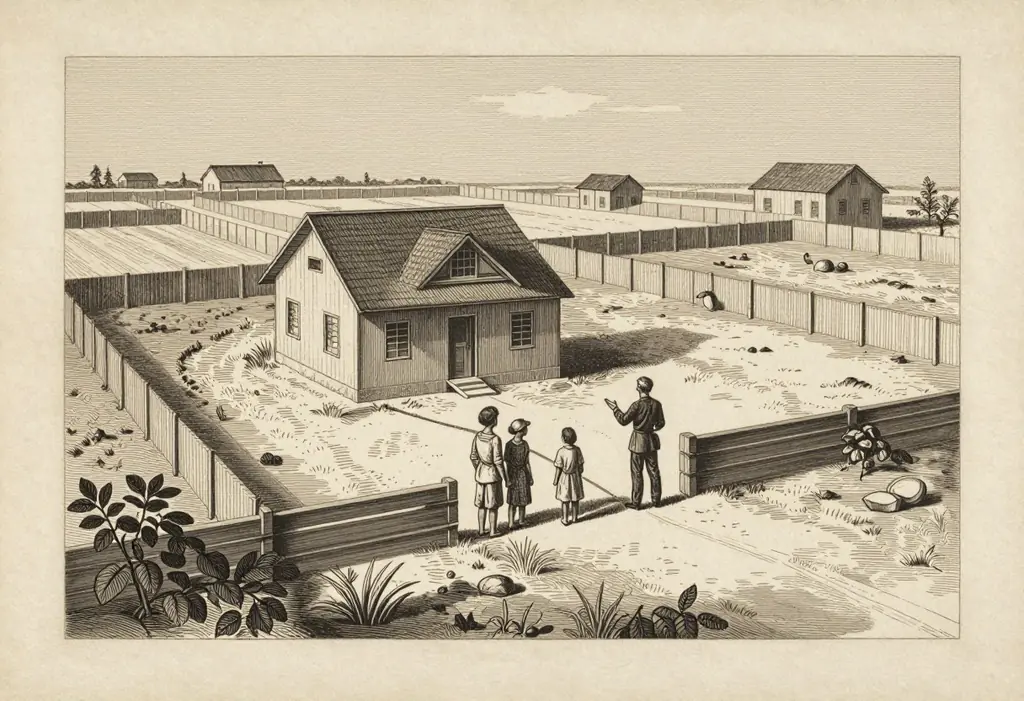
Our lot has no access to the road, and the neighbor just blocked the path we've used for years. Can we demand a right of way?
Yes, if your land is surrounded by other people's land with no adequate outlet to a public road and you did not cause the isolation yourself, Article 649 of the Civil Code lets you demand a right of way, but you must pay the neighbor proper indemnity and the path must run where it causes the least damage. Years of using a path do not, by themselves, give you a legal right to it, so the right of way must be set out in a written agreement or ordered by a court.
Not lawyer-reviewedRead the answer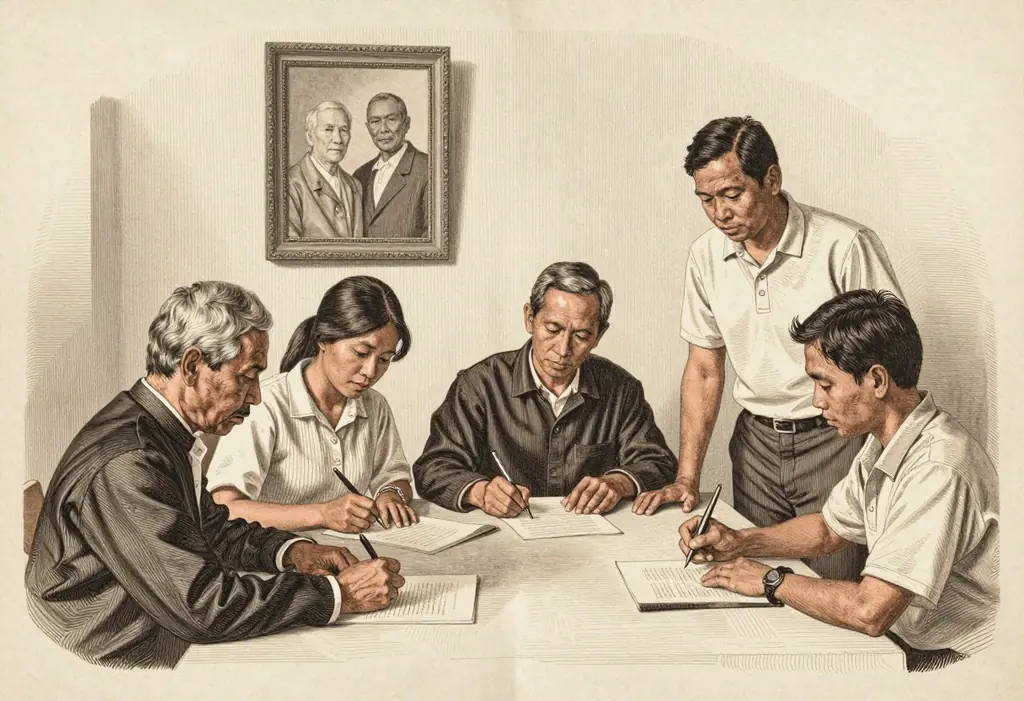
The seller is selling land inherited from their deceased parents, but the title is still in the parents' name. Is it safe to buy, and what is an Extrajudicial Settlement with Sale?
It is risky unless all legal heirs sign the Extrajudicial Settlement with Deed of Absolute Sale, estate taxes are settled with the BIR, and publication is completed. Even after registration, Section 4 of Rule 74 annotates a statutory 2-year lien on the new title protecting excluded heirs and unpaid estate creditors.
Not lawyer-reviewedRead the answer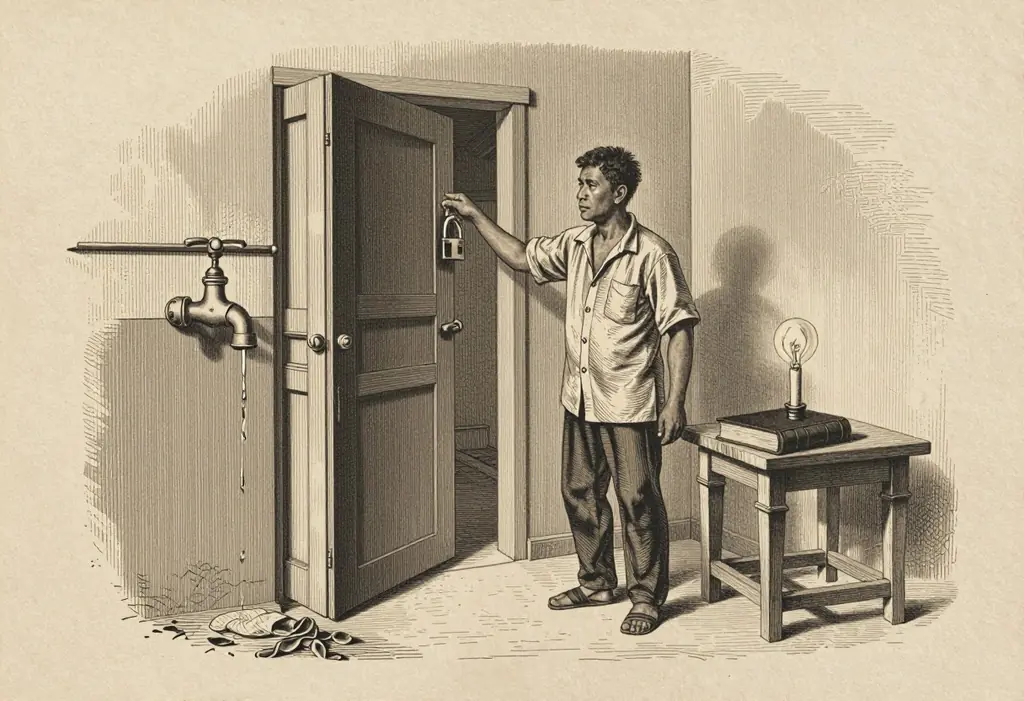
Can a landlord cut off water and electricity or padlock the doors if I fail to pay rent on time?
No — self-help eviction is illegal in the Philippines. A landlord cannot padlock your door, disconnect utilities, or seize your personal belongings to force you out. Possession can only be recovered through the judicial process (ejectment) after proper demand and court judgment enforced by a sheriff.
Not lawyer-reviewedRead the answer