General information, not legal advice. This answer was written by the PhilippineLaws team from the law it cites and checked for accuracy to the best of our knowledge, last on Sep 21, 2026. It has not been reviewed by a lawyer. Read the cited law yourself, and for your own situation talk to a lawyer or the Public Attorney’s Office (PAO).
If both parties made mistakes in a road accident, who is legally liable?
Under Philippine tort law, even if you were initially on the wrong side of the road, the driver who had the last fair opportunity to avoid the collision and failed to exercise due care is solely liable for the resulting damages under the Doctrine of Last Clear Chance (Picart v. Smith). Prior contributory negligence will not bar recovery if the other party had sufficient time and distance to stop or steer clear.
Illustrated Legal Brief
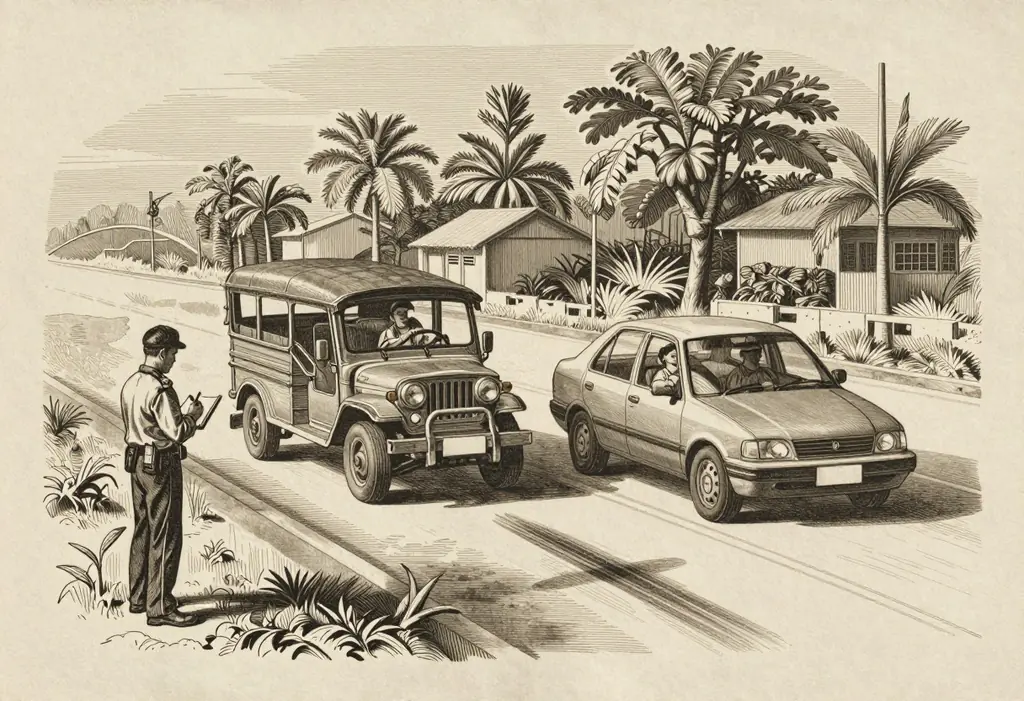 Full Plate
Kung pareho kayong may pagkakamali sa aksidente sa kalsada, sino ang mananagot sa danyos?
Ang taong nagkaroon ng huling malinaw na pagkakataon (Last Clear Chance) para maiwasan ang banggaan ang siyang mananagot sa batas.
Ito ang doktrinang itinatag ng Korte Suprema sa landmark case na Picart v. Smith (G.R. No. L-12219, 1918):
Ang Test ng Negligence (Discreet Paterfamilias)
Ang batayan ng kapabayaan sa ilalim ng Article 2176 ng Civil Code ay kung ang isang maingat na tao (prudent person) sa sitwasyon ng drayber ay makikita ang panganib at gagawa ng karampatang pag-iingat.
Doctrine of Last Clear Chance
Kahit mali ang posisyon ng kabilang partido sa kalsada, kung nakita mo siya mula sa malayo at may sapat kang oras at distansya para magpreno o lumihis nang ligtas, ikaw ang may pananagutan kung pinilit mong dumiretso nang mabilis.
Hindi Balakid ang Naunang Pagkakamali
Dahil may sapat na pagitan ng oras sa pagitan ng unang pagkakamali at ng huling pagkabigo ng kabilang drayber na mag-ingat, hindi nagiging balakid ang contributory negligence para mabayaran ang nasirang ari-arian at gastusin.
I-share sa kapwa motorista at commuters para alam ang legal standards sa kalsada!
- #PhilippineLaws
- #TortsAndDamages
- #PicartVSmith
- #LastClearChance
- #CivilCodePH
- #TrafficLawPH
- #KnowYourRightsPH
Why
The governing rule for vehicular accidents in Philippine civil law is found in Article 2176 of the Civil Code: whoever by act or omission causes damage to another through fault or negligence is obliged to pay for the damage done. The foundational test of negligence was formulated by the Supreme Court in the landmark case of Picart v. Smith (G.R. No. L-12219, 1918): would a prudent person (the 'discreet paterfamilias' of Roman law), situated in the actor's position, have foreseen harm as sufficiently probable to warrant foregoing the conduct or guarding against its consequences? If so, ignoring that reasonable prevision constitutes actionable negligence.
When both parties have committed acts of negligence at different points in time, courts apply the Doctrine of Last Clear Chance. If one party negligently places themselves in a position of peril (such as riding on the incorrect side of a bridge), but the other driver perceives or ought to have perceived the predicament while still having sufficient time, space, and control to avoid the impact, the law fixes full responsibility on the latter driver. Because the approaching driver possessed the last clear opportunity to prevent the harm, their failure to slow down or veer away constitutes the proximate and determining cause.
While Article 2179 of the Civil Code provides that contributory negligence on the part of the plaintiff mitigates the damages to be awarded, that principle applies only when the negligent acts of both parties are concurrent or contemporaneous. Where an appreciable interval elapses and one party has the final chance to avoid the tragedy, the Doctrine of Last Clear Chance supersedes contributory negligence, entitling the injured party to recover for medical expenses, property repairs, and legal damages.
People also read
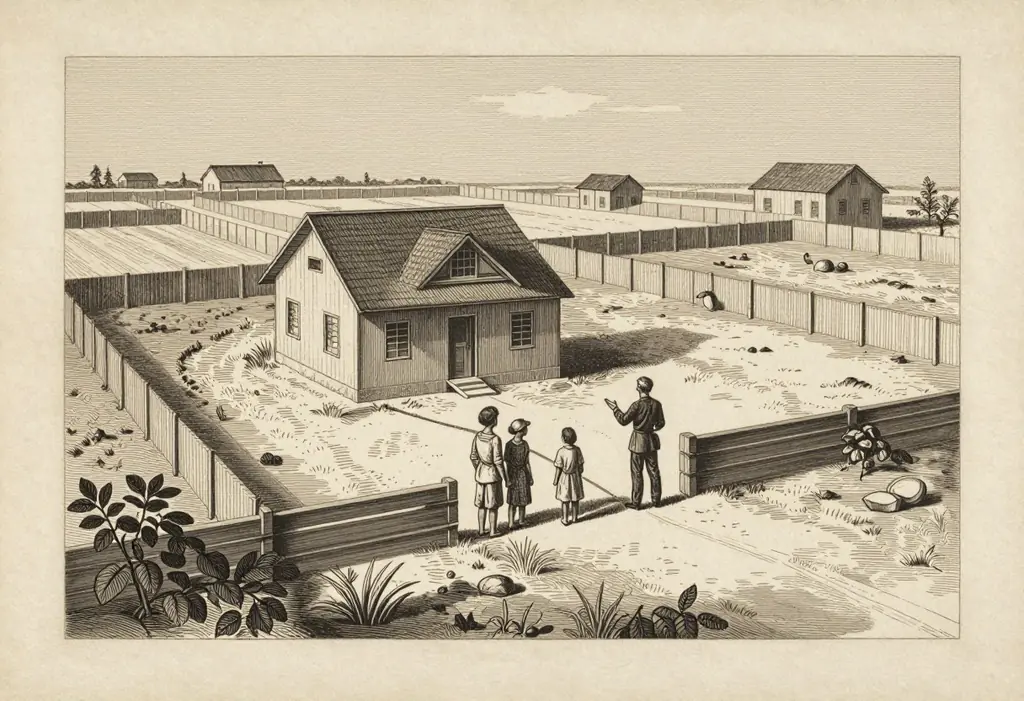
Our lot has no access to the road, and the neighbor just blocked the path we've used for years. Can we demand a right of way?
Yes, if your land is surrounded by other people's land with no adequate outlet to a public road and you did not cause the isolation yourself, Article 649 of the Civil Code lets you demand a right of way, but you must pay the neighbor proper indemnity and the path must run where it causes the least damage. Years of using a path do not, by themselves, give you a legal right to it, so the right of way must be set out in a written agreement or ordered by a court.
Not lawyer-reviewedRead the answer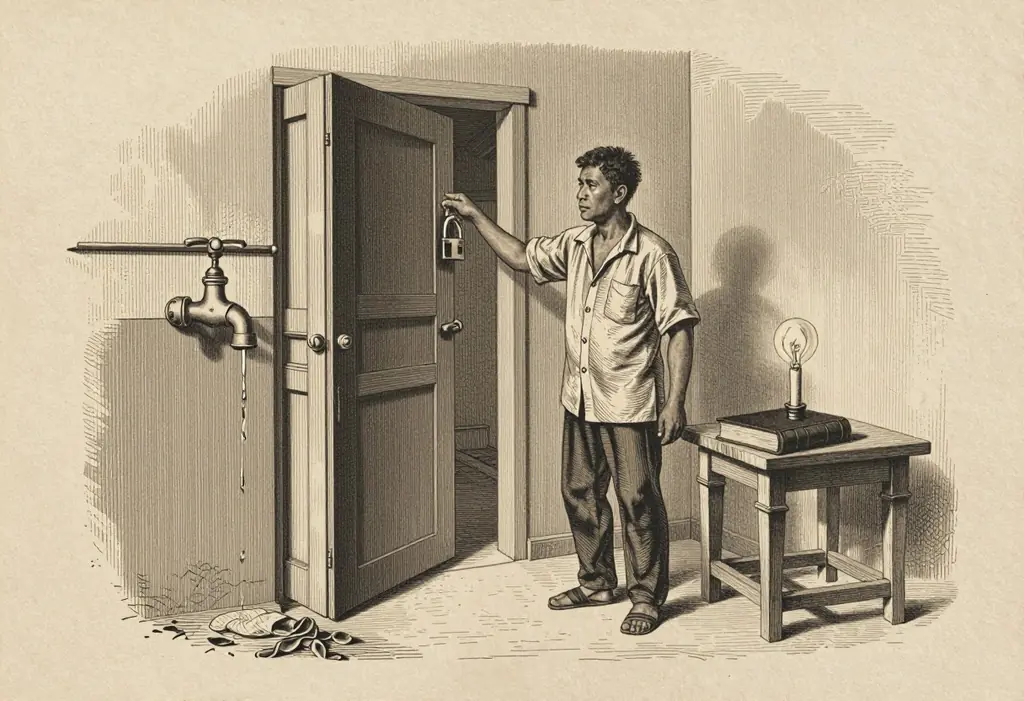
Can a landlord cut off water and electricity or padlock the doors if I fail to pay rent on time?
No — self-help eviction is illegal in the Philippines. A landlord cannot padlock your door, disconnect utilities, or seize your personal belongings to force you out. Possession can only be recovered through the judicial process (ejectment) after proper demand and court judgment enforced by a sheriff.
Not lawyer-reviewedRead the answer
How much can a landlord increase rent each year in the Philippines?
Under Republic Act No. 9653 (the Rent Control Act) and DHSUD regulations, rent for covered residential units cannot be raised beyond the statutory annual ceiling (typically 4% to 7% for continuing tenants). Landlords are also strictly forbidden from demanding more than one month advance rent and two months security deposit.
Not lawyer-reviewedRead the answer
My brand-new car keeps coming back to the casa for the same defect. Can I demand a replacement or refund under the Lemon Law?
Possibly. Under the Philippine Lemon Law (Republic Act No. 10642), if a brand-new car has a defect that substantially impairs its use, value or safety, and the same dealer has failed to fix it after at least four separate repair attempts within 12 months or 20,000 km of delivery (whichever comes first), you can give written notice, allow one final repair, and then go to the DTI. If the DTI finds a nonconformity, it orders the dealer or manufacturer to replace the vehicle or take it back and refund the purchase price plus collateral charges, less an allowance for use.
Not lawyer-reviewedRead the answer