General information, not legal advice. This answer was written by the PhilippineLaws team from the law it cites and checked for accuracy to the best of our knowledge, last on Sep 21, 2026. It has not been reviewed by a lawyer. Read the cited law yourself, and for your own situation talk to a lawyer or the Public Attorney’s Office (PAO).
Can a father be compelled to pay child support in the Philippines, and can he refuse if he is unemployed or the child is illegitimate?
Yes. Both parents are legally obliged under the Family Code to support their child—whether the child is legitimate or illegitimate, once filiation is established—covering sustenance, housing, clothing, healthcare, education, and transportation, in proportion to the parent's means. A father who deliberately deprives the child of support legally due can also be prosecuted for economic abuse under RA 9262, which carries imprisonment.
Illustrated Legal Brief
 Full Plate
- Sustenance, groceries, formula, meals
- Dwelling, rent contribution, and home utilities
- Clothing, shoes, and essential personal care
- Medical attendance, hospital bills, and medication
- Schooling, tuition, books, transit, and training
- Claiming child is illegitimate (illegitimate children are also entitled to support)
- Waivers of future support ('mother promised not to ask for support')
- Withholding support because of visitation quarrels
- Deliberately quitting jobs to evade child payments
- Deliberate denial of support by the father is punishable under RA 9262
Future child support cannot be waived by agreement and adjusts proportionally with changing needs and income.
Why
Under Article 194 of the Family Code of the Philippines, support (sustento) comprises everything indispensable for sustenance, dwelling, clothing, medical attendance, education, and transportation, in keeping with the financial capacity of the family. The duty applies throughout the child's minority, and Article 194 expressly provides that support for education—schooling or training for a profession, trade, or vocation—may continue even beyond the age of majority.
Article 195 of the Family Code obliges parents to support both their legitimate and their illegitimate children. Once paternity is established—for example through the father's signature on the birth certificate, a written acknowledgment of paternity, or, if he denies it, proof in court such as DNA evidence—the father is legally bound to provide support. A father cannot evade this obligation because he has a separate family, is estranged from the mother, or was never married.
Support is legally variable and proportional. Under Articles 201 and 202, the amount of child support is not permanently fixed: it expands or contracts depending on two interacting factors—the evolving necessities of the child and the financial resources or earning capacity of the obligor parent. If a parent is temporarily unemployed, the obligation is not erased, but a court may adjust the payable amount to match modest current resources.
The right to future support cannot be waived or compromised. Article 2035 of the Civil Code declares void any compromise upon future support, so an agreement where a mother promises 'never to seek child support' in exchange for full custody or no visitation does not bind the child. Note also that under Article 203 of the Family Code, support is paid only from the date of judicial or extrajudicial demand, so a written demand matters.
Depriving a woman or her child of financial support legally due, or deliberately providing insufficient support, is punishable under Section 5(e) of Republic Act No. 9262 (the Anti-VAWC Act). The law protects women and their children, so this remedy is available against the father, not against a mother who fails to pay. In Melgar v. People (G.R. No. 223477, February 14, 2018), the Supreme Court held that the deliberate denial of support, by itself, is penalized under Section 5(e), and affirmed a sentence of imprisonment, a fine, and mandatory psychological counseling.
People also read
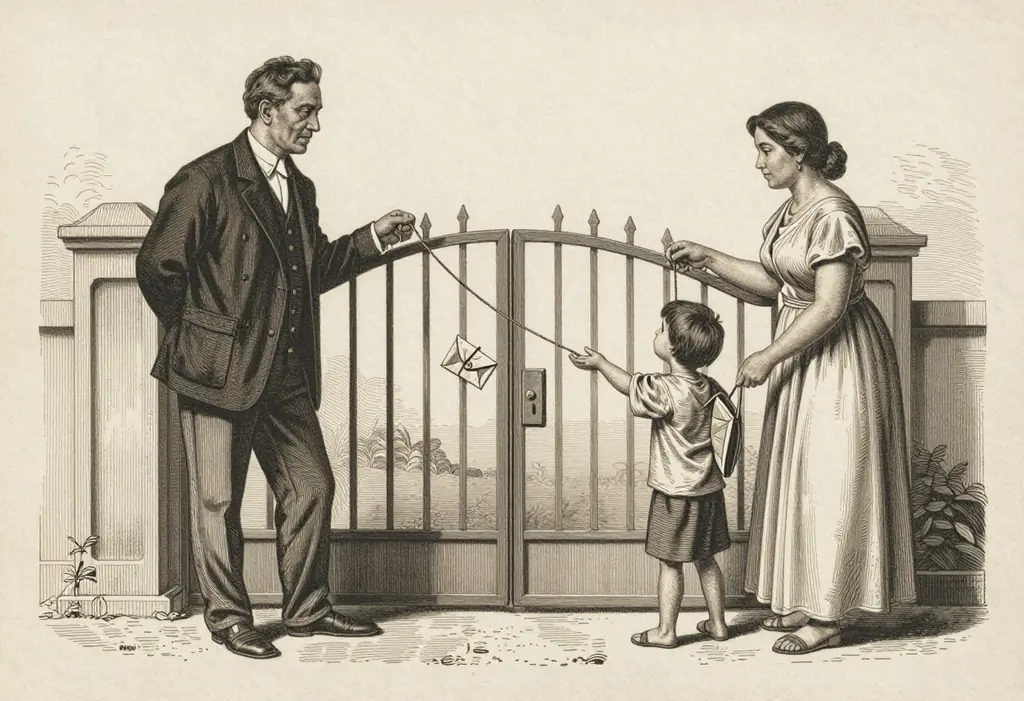
Can a mother deny visitation rights if the father does not pay child support?
No. Under Philippine law, child support and visitation rights are completely separate and independent legal duties. A mother cannot withhold a child from the father simply because he is delayed or delinquent in support, nor can a father legally stop paying child support because the mother is restricting visitation.
Not lawyer-reviewedRead the answer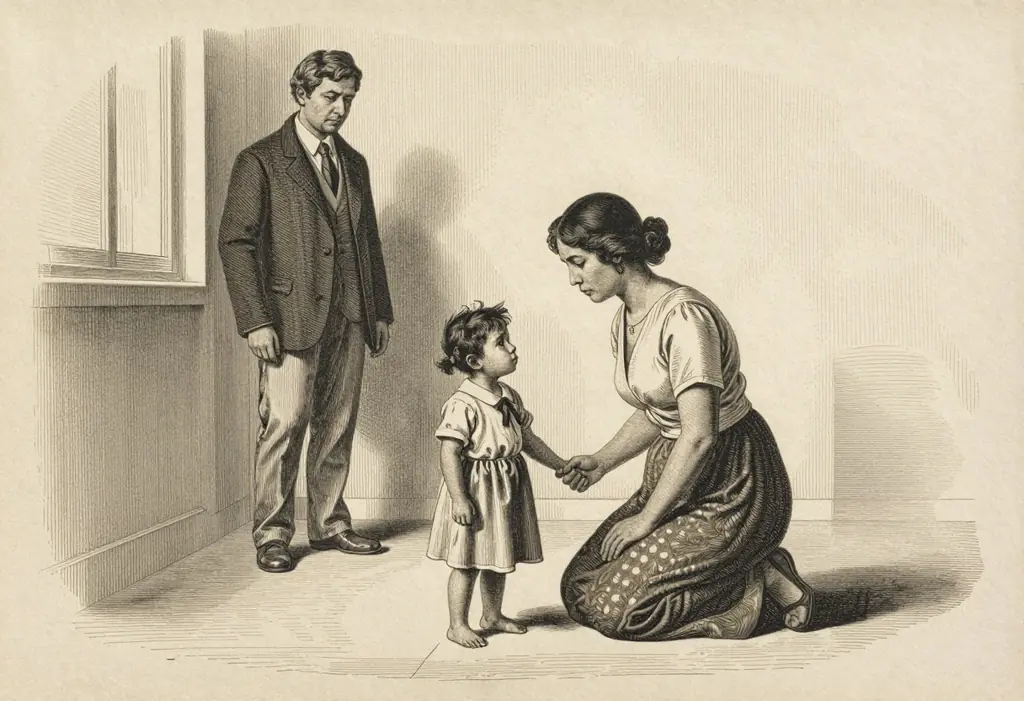
Can a father take custody of a child under 7 years old in the Philippines?
As a general rule, no. Under Article 213 of the Family Code (the 'Tender Years Doctrine'), no child under seven years of age shall be separated from the mother unless the court finds compelling reasons. The Supreme Court has ruled that compelling reasons are strictly confined to proven maternal unfitness—such as drug addiction, severe abuse, or habitual neglect—never mere poverty or marital separation.
Not lawyer-reviewedRead the answer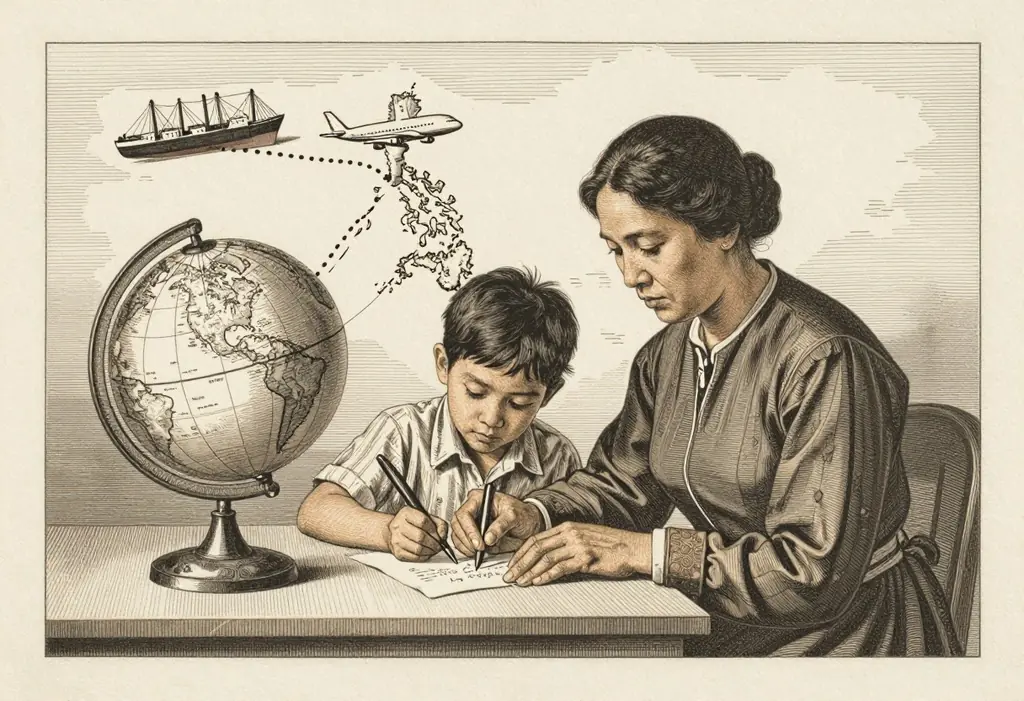
How can a mother claim child support if the father is an OFW or a foreign citizen?
A mother can legally enforce child support against an OFW or foreign father through Philippine courts. For land-based OFWs and seafarers, courts can direct the manning agency or employer to garnish wages under mandatory POEA/DMW allotments; for foreign fathers, the Supreme Court ruled in Del Socorro v. Van Wilsem that foreign nationals residing in or visiting the Philippines cannot evade criminal liability under RA 9262 for withholding child support.
Not lawyer-reviewedRead the answer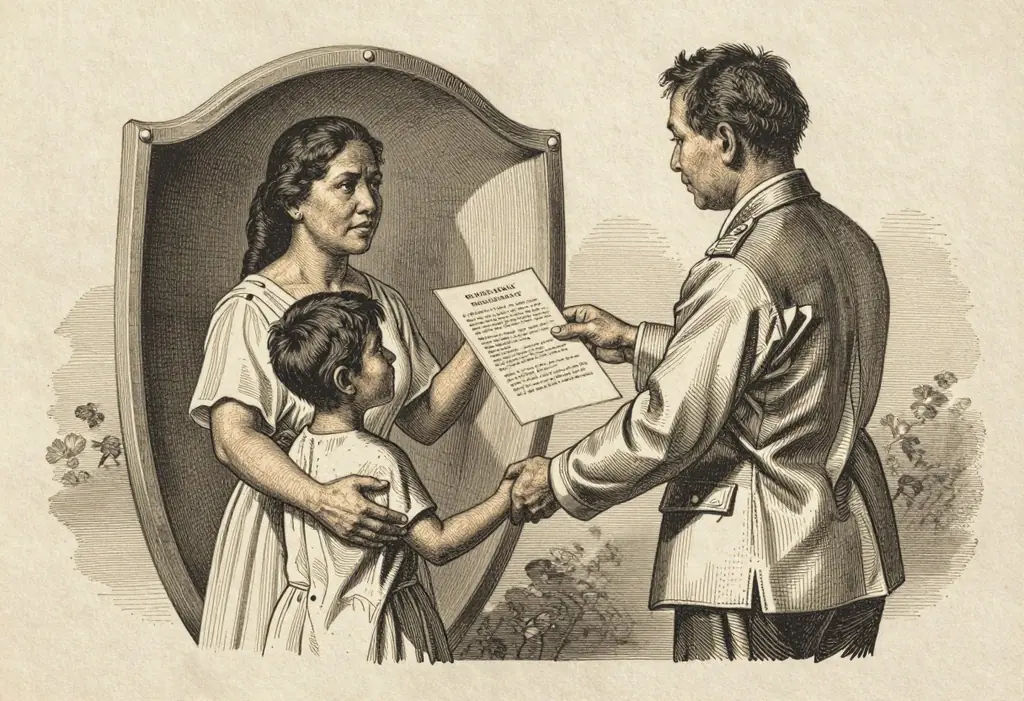
How can a mother get an immediate protection order (BPO, TPO, PPO) against an abusive partner under RA 9262?
A mother facing domestic abuse can obtain an immediate Barangay Protection Order (BPO) valid for 15 days from the Punong Barangay to prohibit violence and harassment. To secure temporary child custody, court-ordered child support, and exclusion of the abuser from the home, she must file for a Temporary Protection Order (TPO) in Family Court, which judges must act upon ex parte within 24 hours.
Not lawyer-reviewedRead the answer