General information, not legal advice. This answer was written by the PhilippineLaws team from the law it cites and checked for accuracy to the best of our knowledge, last on Sep 21, 2026. It has not been reviewed by a lawyer. Read the cited law yourself, and for your own situation talk to a lawyer or the Public Attorney’s Office (PAO).
How can a mother claim child support if the father is an OFW or a foreign citizen?
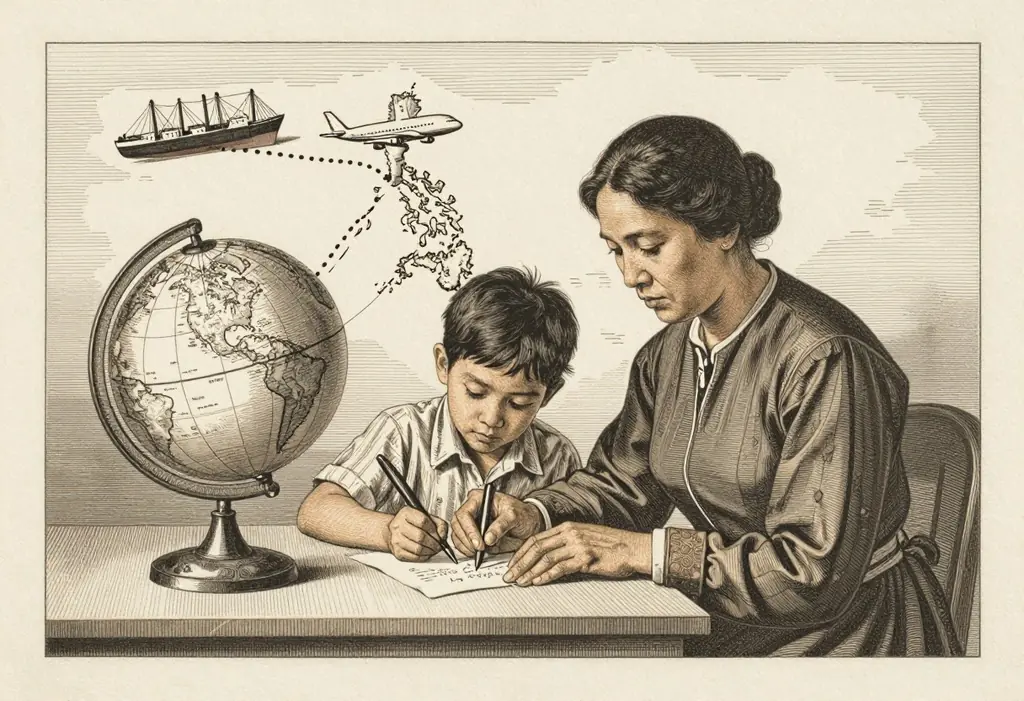
A mother can legally enforce child support against an OFW or foreign father through Philippine courts. For land-based OFWs and seafarers, courts can direct the manning agency or employer to garnish wages under mandatory POEA/DMW allotments; for foreign fathers, the Supreme Court ruled in Del Socorro v. Van Wilsem that foreign nationals residing in or visiting the Philippines cannot evade criminal liability under RA 9262 for withholding child support.
Illustrated Legal Brief
 Full Plate
Verify Paternity & Employment Details
Secure PSA birth certificate showing father's acknowledgment, contract details, and Philippine agency name
Send Formal Demand Letter
Issue written demand for monthly child support to the father's email, agency, and Philippine home address
Allowed: File Administrative Complaint with DMW / Manning Agency
For seafarers, invoke the mandatory family allotment rules under standard employment contracts
Allowed: File Petition for Support / TPO in Family Court
Obtain a court order directing the local agency or Philippine bank to withhold child support from remittances
Caution: File Criminal Complaint under RA 9262 with HDO
Prosecute for economic abuse and petition the Bureau of Immigration for an arrest warrant or Hold Departure Order
Under Del Socorro v. Van Wilsem, foreign fathers cannot invoke their home country's laws to avoid child support under RA 9262.
Why
Geographical distance or foreign citizenship does not absolve a father of his legal obligation to support his biological child under Philippine law. Articles 194 and 195 of the Family Code apply to all parents regardless of location, and the deliberate failure to provide financial support constitutes criminal economic abuse under Section 5(e) of Republic Act No. 9262.
Philippine courts exercise extraterritorial jurisdiction over non-support cases involving overseas fathers under the 'effects doctrine'. Because the deprivation, emotional anguish, and economic damage to the child occur directly within Philippine territory, the offense is deemed committed in the Philippines. This allows a mother to initiate criminal and civil actions in local Family Courts even if the father is physically abroad.
For seafarers and land-based Overseas Filipino Workers (OFWs), mothers have effective administrative and legal levers. Under the Department of Migrant Workers (DMW, formerly POEA) Standard Employment Contract, overseas workers—especially seafarers—are required to maintain a designated monthly family allotment (typically up to 80% of basic wages). A mother who secures a Temporary Protection Order (TPO) or Support Order can serve the directive directly on the Philippine manning agency or recruitment agency, which is legally bound to withhold the court-ordered sum from the worker's remittance.
For foreign fathers, a landmark precedent was established in Del Socorro v. Van Wilsem (G.R. No. 193707, December 10, 2014). In that case, a Dutch national living in the Philippines refused to support his son, claiming Dutch law did not obligate him. The Supreme Court rejected his defense, holding that while family rights of foreigners may generally follow their national law under Article 15 of the Civil Code, foreign law cannot override Philippine penal statutes and public policies protecting children. A foreign father in the Philippines who willfully denies child support will be prosecuted, arrested, and imprisoned under RA 9262.
When a delinquent father returns to the Philippines (for vacation, contract renewal, or retirement), he can be served with a summons or arrested upon arrival if a warrant has been issued. Prosecutors and courts can also issue a Hold Departure Order (HDO) or Lookout Bulletin through the Bureau of Immigration, preventing him from leaving the country until past arrears are settled and guaranteed future support arrangements are established.
People also read
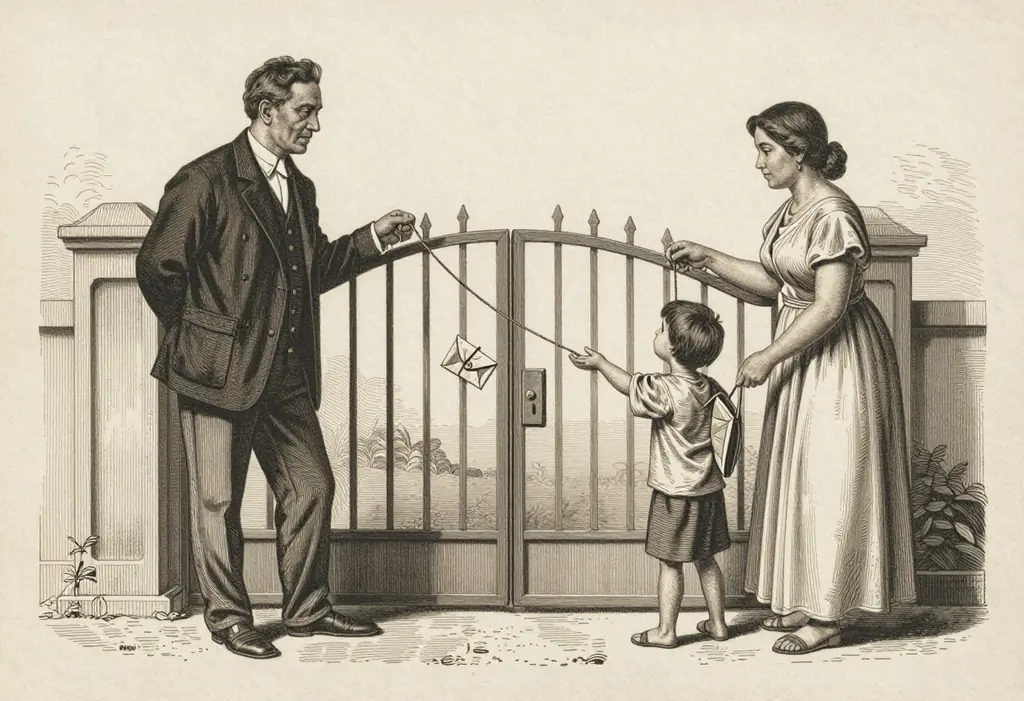
Can a mother deny visitation rights if the father does not pay child support?
No. Under Philippine law, child support and visitation rights are completely separate and independent legal duties. A mother cannot withhold a child from the father simply because he is delayed or delinquent in support, nor can a father legally stop paying child support because the mother is restricting visitation.
Not lawyer-reviewedRead the answer
Can a father be compelled to pay child support in the Philippines, and can he refuse if he is unemployed or the child is illegitimate?
Yes. Both parents are legally obliged under the Family Code to support their child—whether the child is legitimate or illegitimate, once filiation is established—covering sustenance, housing, clothing, healthcare, education, and transportation, in proportion to the parent's means. A father who deliberately deprives the child of support legally due can also be prosecuted for economic abuse under RA 9262, which carries imprisonment.
Not lawyer-reviewedRead the answer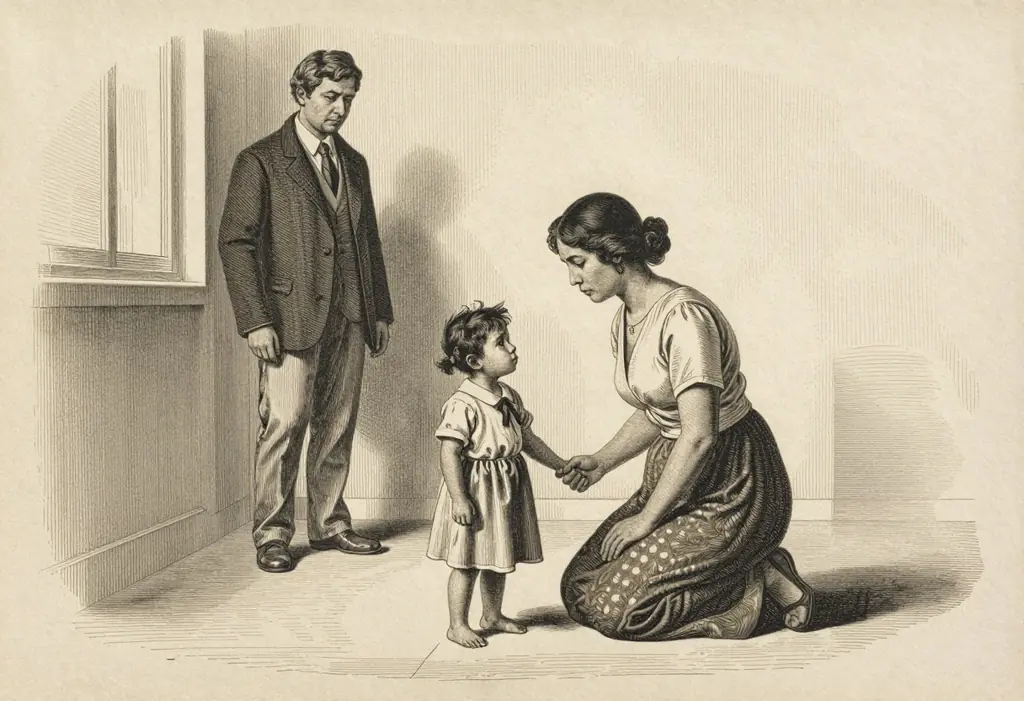
Can a father take custody of a child under 7 years old in the Philippines?
As a general rule, no. Under Article 213 of the Family Code (the 'Tender Years Doctrine'), no child under seven years of age shall be separated from the mother unless the court finds compelling reasons. The Supreme Court has ruled that compelling reasons are strictly confined to proven maternal unfitness—such as drug addiction, severe abuse, or habitual neglect—never mere poverty or marital separation.
Not lawyer-reviewedRead the answer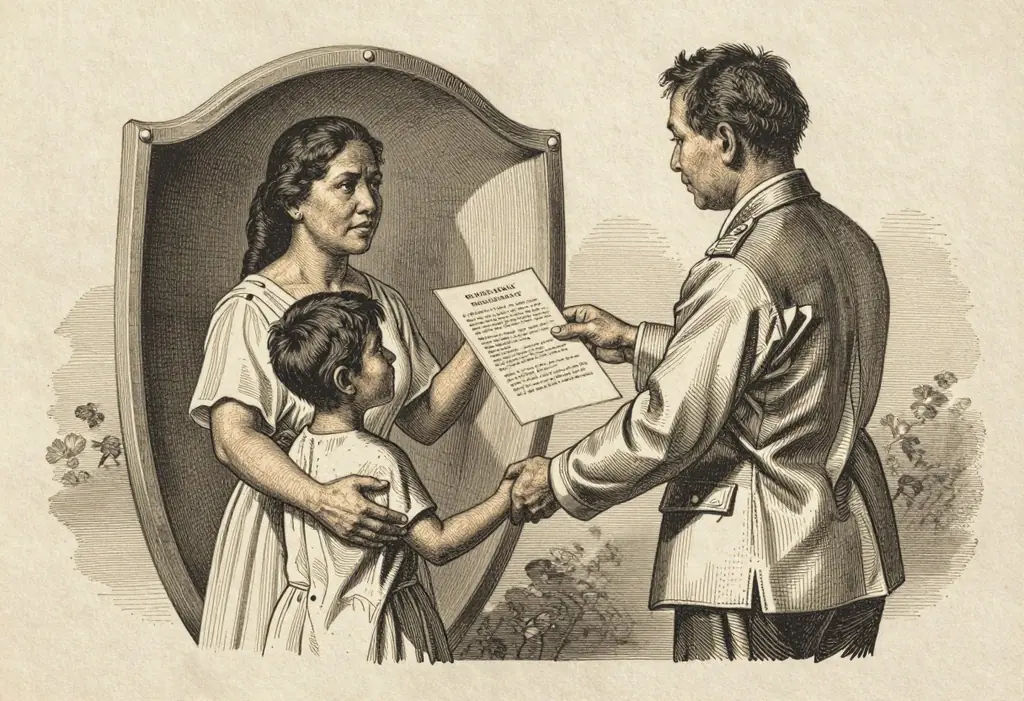
How can a mother get an immediate protection order (BPO, TPO, PPO) against an abusive partner under RA 9262?
A mother facing domestic abuse can obtain an immediate Barangay Protection Order (BPO) valid for 15 days from the Punong Barangay to prohibit violence and harassment. To secure temporary child custody, court-ordered child support, and exclusion of the abuser from the home, she must file for a Temporary Protection Order (TPO) in Family Court, which judges must act upon ex parte within 24 hours.
Not lawyer-reviewedRead the answer